




/file/dailymaverick/wp-content/uploads/2023/10/CovidGrant-1.jpg)


























The return of Hong Kong in 1997
How Great Britain transferred the historic territory back to China under a unique constitutional framework
On July 1 1997 Great Britain officially transferred sovereignty of Hong Kong back to the government of China. This historic midnight ceremony effectively ended more than one and a half centuries of British colonial rule in Asia. The monumental transition established a unique governance framework known as the famous one country two systems policy. This political compromise aimed to preserve the vibrant economic and social structures of the region for fifty years.
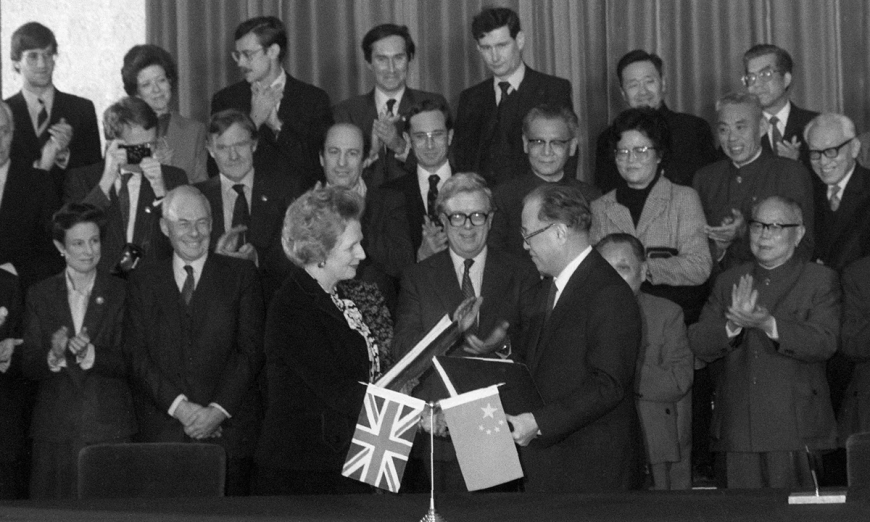
The dramatic handover concluded years of intense diplomatic negotiations between the leadership of Great Britain and Beijing. Both nations had signed the historic Sino-British Joint Declaration back in the winter of 1984 to finalize terms. Consequently the two global powers agreed that the territory would become a special administrative region with high autonomy. This strategic decision reassured international markets and provided a clear path forward for the millions of local citizens.
Prince Charles delivered a final farewell speech on behalf of the British crown during the pouring rain. Meanwhile the incoming Chinese President Jiang Zemin welcomed the historic territory back into the cultural embrace of the homeland. Officials then lowered the Union Jack flag and raised the Chinese national flag precisely at the stroke of midnight. This highly symbolic moment closed the final chapter of the once vast and powerful British Empire in East Asia.
The newly established legal agreement guaranteed that the local judicial system would remain independent from mainland interference. Furthermore the financial capital retained its own currency and independent customs territory to maintain global trade relationships. However Beijing assumed full responsibility for all matters relating to foreign affairs and regional defense operations. This complex administrative division sought to balance national sovereignty with the existing capitalist lifestyle of the local population.
Global observers watched the historic transition closely to see how the unprecedented political experiment would function over time. Many economists wondered if the bustling metropolis could maintain its status as a leading international financial hub. Fortunately the city continued to thrive economically while navigating the intricate realities of its dual political identity. Today this pivotal event remains one of the most significant moments in modern geopolitical history.
[Source: The Telegrph]