





/file/dailymaverick/wp-content/uploads/2023/10/CovidGrant-1.jpg)


































The birth of Canada in 1867
How three colonies united under the British North America Act to create a new self-governing dominion
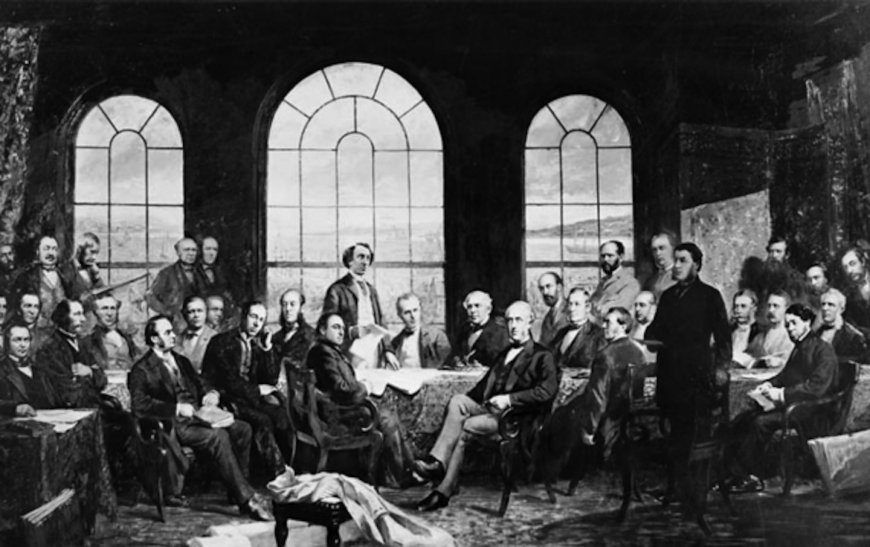
On July 1 1867 the British North America Act officially took effect across the region of North America. This historic piece of legislation united three major British colonies into a single self-governing dominion called Canada. The groundbreaking political agreement brought together New Brunswick Nova Scotia and the historic Province of Canada under one federal government. This momentous transformation established a new era of governance and fundamentally reshaped the entire geopolitical landscape of the continent.
The historic unification process emerged from a series of intense political discussions known as the historic Confederation conferences. Leaders from the diverse colonies recognized that a unified nation could better handle economic challenges and potential external threats. Consequently they drafted a robust constitutional framework that balanced regional interests with a strong central authority in Ottawa. The successful passage of this foundational document through the British Parliament marked a crucial victory for the visionary architects.
Originally citizens celebrated this significant summer milestone across the brand new nation under the traditional name of Dominion Day. However lawmakers officially renamed the national holiday to Canada Day during a wave of patriotic reforms in 1982. This simple linguistic shift reflected the evolving identity of a nation fully coming into its own sovereign power. Today the anniversary serves as a powerful reminder of the collaborative spirit that originally forged the diverse country.
The newly created federal system carefully divided crucial legislative responsibilities between the national parliament and the distinct provincial governments. For example Ottawa managed overarching matters like national defense and international trade to ensure stability across the vast territory. Meanwhile individual provinces retained essential control over local issues including public education and regional infrastructure development projects. This clever compromise effectively preserved the unique cultural identities of the distinct regions within the larger unified structure.
Historians widely consider this peaceful constitutional achievement as a unique model for nation building around the global community. Instead of launching a violent revolution the colonial leaders chose the deliberate path of legal negotiation and compromise. Their careful planning ultimately laid the durable foundation for a prosperous democratic society that continuously expanded westward. This legislative event remains the defining moment that set the modern nation on its long path toward total independence.
[Source: The Nation]