/file/dailymaverick/wp-content/uploads/2023/10/CovidGrant-1.jpg)


























Substation attack triggers major power outages across southern Zawiya
Escalating violence causes severe grid damage as technical crews withdraw from critical energy facilities
The General Electricity Company of Libya announced that a physical assault on the South Zawiya electrical substation caused massive power failures across communities south of Zawiya. Consequently, technical crews evacuated the targeted facilities because safety concerns prevented essential repairs. Furthermore, persistent security threats forced American engineering partner General Electric to suspend work at the station.
Meanwhile, emergency repair teams withdrew their personnel from affected operational zones while armed conflicts escalated nearby. Additionally, critical infrastructure sustained heavy physical destruction during these repeated armed incidents. Therefore, grid operators lost over seven hundred megawatts of electricity generation capacity at the main power plant.
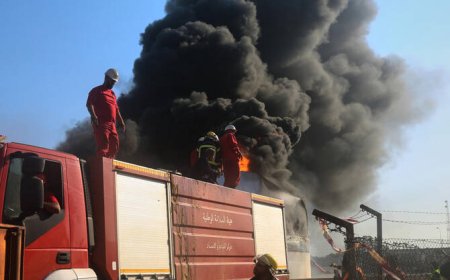
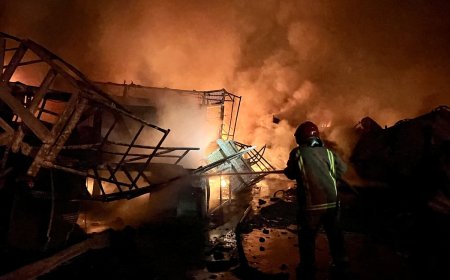
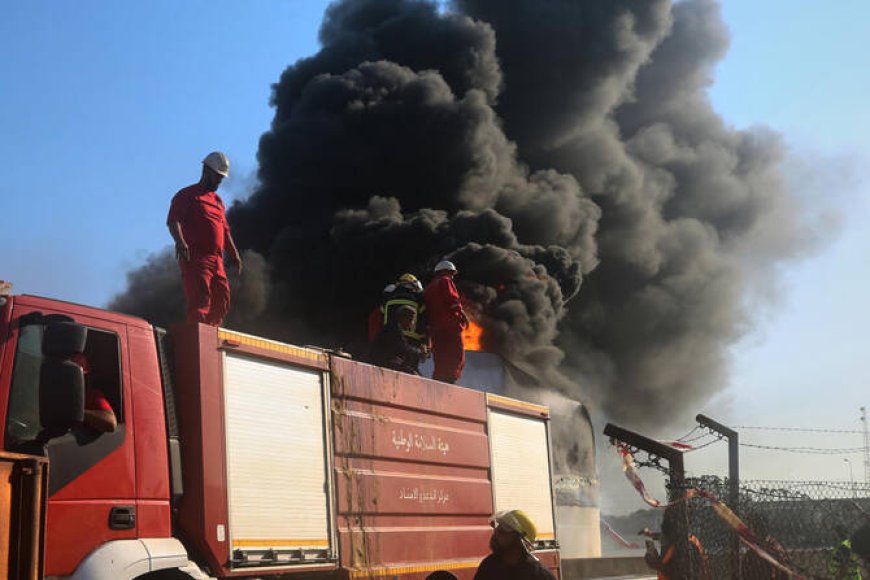
In addition, explosive drone strikes hit fuel storage infrastructure located inside the neighboring Zawiya petroleum processing hub. Moreover, corporate representatives from the National Oil Corporation warned that ongoing hostilities could force a legal declaration of force majeure. As a result, municipal administrators faced severe electricity shortages while vital public services struggled to maintain basic operations.
Subsequently, regional utility administrators warned that continuing attacks could cause a total collapse of the western electrical grid. However, civilian authorities called upon all regional factions to stop targeting critical civilian infrastructure assets. Thus, local public healthcare facilities and domestic households faced prolonged blackouts across the affected southern municipal districts.
Meanwhile, municipal utility managers attempted to reroute remaining electrical current through auxiliary transmission channels. Besides, local emergency workers cautioned that alternative power sources could not meet local demand during peak summer heat waves. Hence, regional administrative leaders appealed for immediate international mediation to protect strategic utility installations from further military disruption.
Furthermore, international energy monitoring agencies monitored regional security developments to assess potential long-term disruptions to national utility distribution networks. In summary, the physical assault on the critical electrical substation caused severe infrastructure degradation throughout western coastal territories in Libya. Consequently, national energy directors urged immediate security guarantees to facilitate maintenance restoration efforts across southern Zawiya districts.
[Source: The Straits Times]