

















/file/attachments/orphans/iStock-802203090_325419.jpg)

















African Union legacy remembered on Africa day
The anniversary of African Union foundation highlights enduring push for cooperation and independence across africa
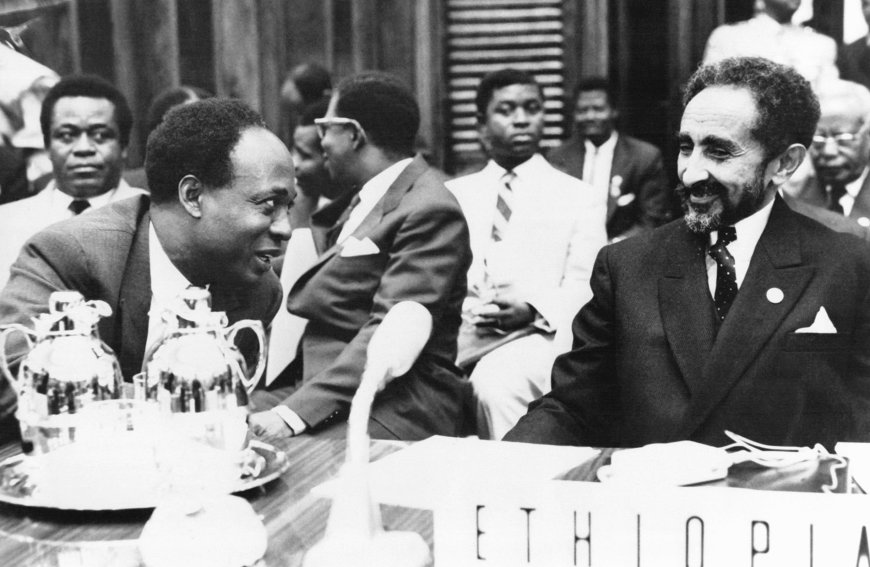
African leaders marked the 1963 founding of the Organisation of African Unity in Addis Ababa, highlighting its enduring significance today. The anniversary known as Africa Day celebrates unity, independence movements, and collective efforts that reshaped political futures across the continent. Leaders emphasize the organization accelerated decolonization and strengthened cooperation against white minority rule, influencing policies and diplomatic relations over decades.
In 1963, thirty two African states gathered in Addis Ababa to establish a platform for political solidarity and development goals. They sought to coordinate liberation struggles, defend sovereignty, and promote collaboration while building a voice within global institutions and negotiations. Over time, the organization created frameworks for mediation, supported independence movements, and encouraged regional integration despite disagreements and external pressures.
Although challenges persisted, members advancing cooperation mechanisms, establishing committees, and strengthening diplomatic coordination to address conflicts and priorities across regions. Consequently, the organization became a forum African leaders discussed policies, coordinated positions, and reinforced commitments to independence, unity, and growth. Moreover, its principles influenced institutions and encouraged cooperation among states seeking to overcome colonial legacies and build governance systems together.
Today, African leaders commemorate the anniversary by reflecting on achievements, addressing challenges, and reaffirming commitments to unity, peace, and transformation. Ceremonies across the continent include speeches, events, and programs that highlight historical struggles and promote dedication to continental cooperation and integration. Officials stress the ideals remain relevant as nations navigate shifts, pressures, and concerns while pursuing development strategies for future generations.
Analysts note the organization's legacy helped shape African diplomacy, a foundation for bargaining, regional peacekeeping initiatives, and responses to crises. Furthermore, observers highlight transition from Organisation of African Unity to African Union expanded capacity and strengthened governance frameworks overall today. However, they emphasize challenges, including political divisions, economic disparities, and external influences that continue shaping policy decisions and regional stability.
[Source: OAU]