





/file/attachments/orphans/iStock-802203090_325419.jpg)












Ruling party maintains power after legislative elections in Algeria
Controlled political climate and new military upgrades solidify the existing establishment dominance over the nation
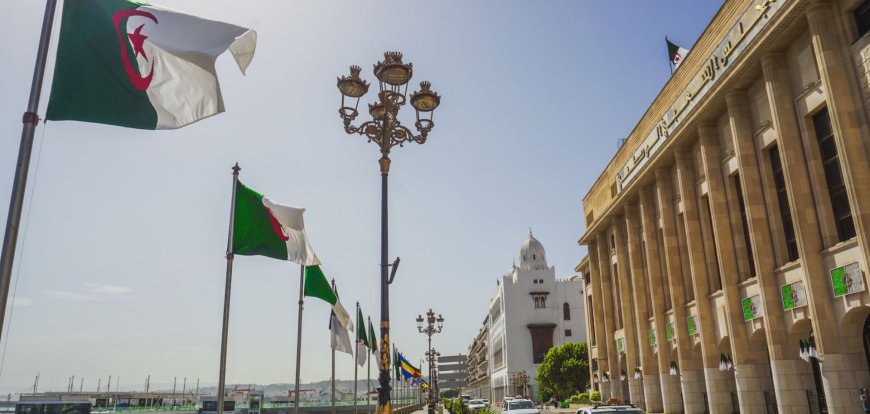
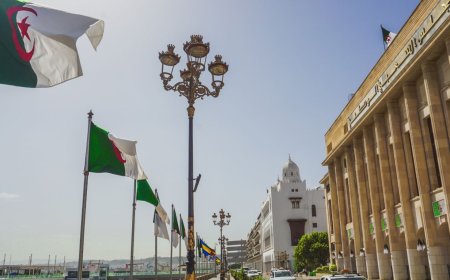
Provisional election results in Algeria confirm that the historical National Liberation Front maintained its dominant position within the national legislature. Meanwhile the state establishment still controls the domestic political climate through strict regulations and extensive vetting of potential opposition candidates. Consequently a record number of citizens chose to boycott the voting process due to widespread skepticism regarding the democratic system.
Furthermore the independent election authority officially reported that only twenty percent of registered voters actually cast ballots during this cycle. Therefore the ruling National Liberation Front secured ninety seats out of four hundred seven total spots in the lower house. Additionally several allied political groups won multiple districts to help the dominant coalition protect its strong grip on legislative power.
However many independent analysts argue that this low turnout directly reflects deep public distrust toward the current political governing regime. Instead of engaging with domestic politics ordinary citizens focused their daily attention on high inflation rates and local economic challenges. Simultaneously the state administration utilized controversial new election laws to successfully disqualify hundreds of potential activists from the ballot papers.
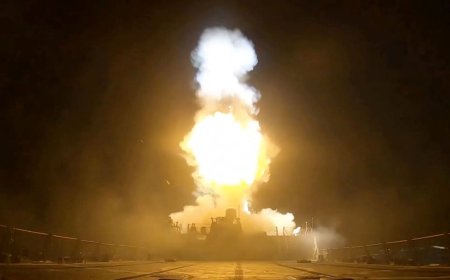
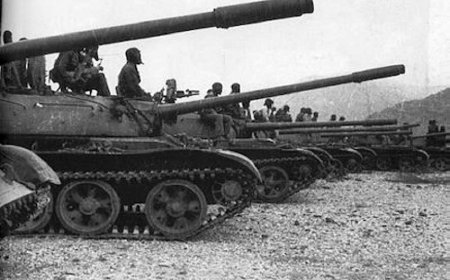
In response to these political shifts the government also implemented significant military upgrades to strengthen national defense capabilities very recently. Specifically top army officials purchased advanced radar hardware and modern combat vehicles from international suppliers to protect the sovereign borders. This modern equipment allows the security forces to monitor remote desert regions where militant factions occasionally attempt to freely operate.
Clearly the country faces a dual reality of deep domestic stagnation alongside aggressive expansion within its own regional security apparatus. Moreover President Abdelmadjid Tebboune relies heavily on the powerful military establishment to preserve his political authority over the entire nation. For that reason the top generals maintain massive influence over civilian governance while spending enormous sums on modern defense technology.
Accordingly some neighboring states express growing concern regarding this sudden rapid accumulation of advanced warfare weaponry along their sensitive borders. Yet the ruling regime defends these strategic upgrades as essential measures for protecting territorial sovereignty against any potential foreign threats. In conclusion the recent legislative election cycle simply reinforced the existing power structures without providing any real democratic reform opportunities.
Therefore the political landscape remains highly predictable as the traditional political establishment successfully manages the entire domestic electoral outcome smoothly. Instead of demanding immediate change the exhausted population watches the powerful elite strengthen their control over all vital state assets. Ultimately these military advancements and political victories ensure that the established hierarchy will rule the nation for many years ahead.
[Source: Stratfor Worldview]