






/file/attachments/orphans/iStock-802203090_325419.jpg)












Outbreak of major conflict reshapes regional alliances in Africa
Superpower alignment shifts rapidly as territorial invasion triggers global diplomatic split
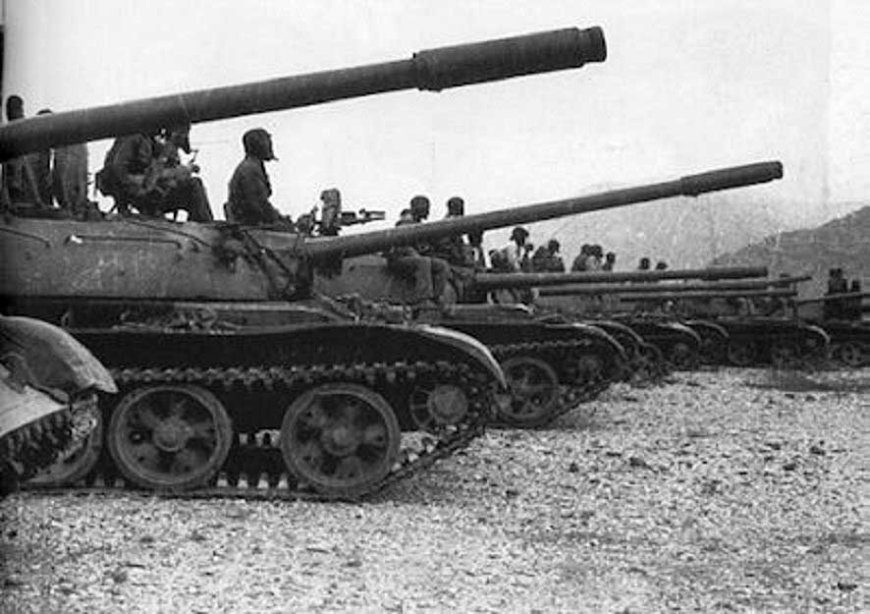
A sudden military invasion transformed a localized territorial dispute into a critical theater of global superpower competition. The complex geopolitical conflict erupted when conventional military forces officially pushed across the border to claim contested lowlands. This aggressive maneuver immediately forced neighboring states to rapidly reevaluate their international strategic partnerships and security priorities.
The ambitious campaign aimed to fulfill a long-term vision of territorial unification for scattered ethnic groups. However the sudden military strike threatened the sovereignty of an ancient African empire facing its own internal political instability. The early phase of the offensive successfully overwhelmed defensive lines and captured vast stretches of the semi arid landscape.
Consequently the escalating violence caught global leaders off guard and forced an immediate diplomatic realignment. The Soviet Union abruptly withdrew its extensive material support from its traditional regional partner to back the defending nation instead. This unexpected shift completely shattered long standing treaties and deeply alienated leadership in the invading country.
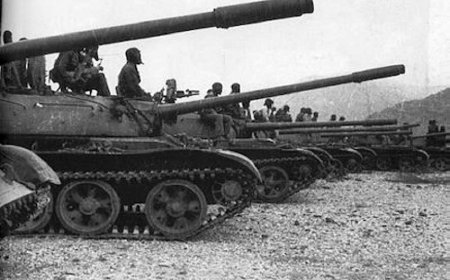
Furthermore the geopolitical friction drew additional international combatants into the fighting over the strategic Horn of Africa. Thousands of trained foreign soldiers arrived to bolster the defense alongside numerous European military advisors. This massive influx of advanced weaponry and personnel gradually turned the tide against the initial aggressors.
Ultimately the intense warfare left both nations heavily damaged and deeply unstable for the subsequent decades. The dramatic reversal of foreign alliances permanently altered the balance of power across the entire continent. Historians widely view this specific encounter as a pivotal moment that accelerated the end of global superpower detente.
[Source: ACCORD]