














/file/attachments/orphans/iStock-802203090_325419.jpg)












Soviet withdrawal secures Austrian neutrality
Austrian state treaty establishes independent buffer between rival Cold War blocs
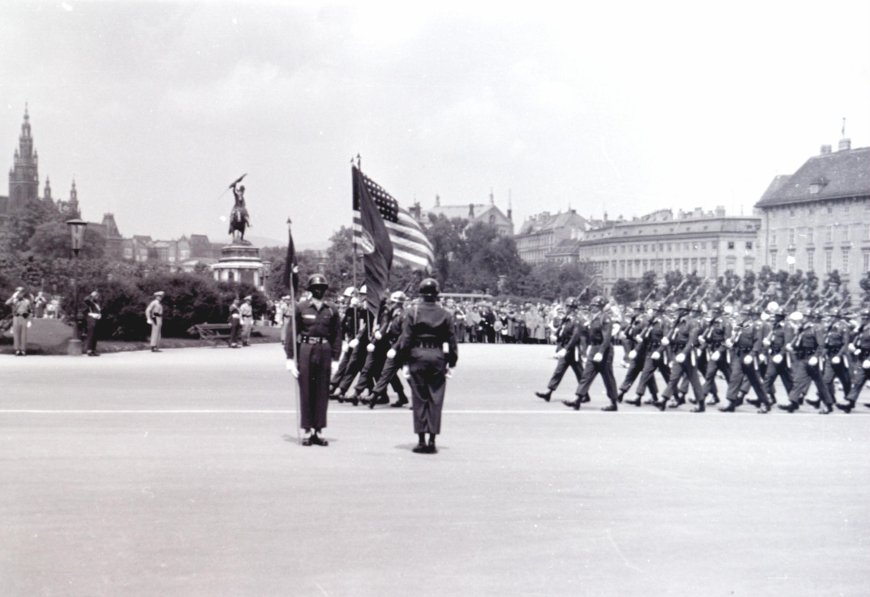
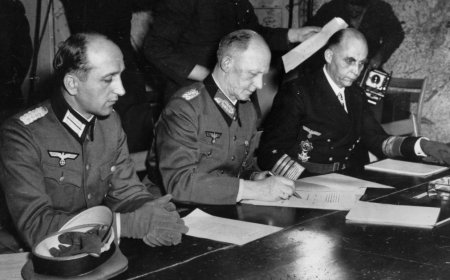
The Soviet Union announced it would withdraw all military forces from Austria following a landmark diplomatic agreement. This decision came shortly after the signing of the Austrian State Treaty, which redefined Austria’s political future and status. Leaders emphasized the move signaled a turning point in postwar Europe, easing tensions and opening space for cooperation between rival powers.
The treaty, signed ten days before the withdrawal announcement, restored Austria’s sovereignty after years of occupation following the Second World War. It required all foreign troops to leave Austrian territory, thereby ending the presence of Allied forces that had divided the country into zones. In addition, Austria committed to permanent neutrality, pledging it would not join military alliances or allow foreign bases within its borders.
This neutrality positioned Austria as a buffer between the NATO and the Warsaw Pact, two opposing military blocs dominating the Cold War landscape. Consequently, Austria’s status reduced the risk of direct confrontation in Central Europe and created a diplomatic bridge between East and West. Officials viewed the arrangement as a pragmatic compromise that balanced security concerns while respecting Austrian independence.
Moreover, the Soviet decision to withdraw troops demonstrated a willingness to engage in negotiated settlements during a period often marked by geopolitical rivalry. Western leaders cautiously welcomed the move, interpreting it as a sign that dialogue could produce tangible outcomes despite deep ideological divisions. At the same time, analysts noted that both sides sought stability in Austria to prevent escalation in an already tense region.
Ultimately, the withdrawal and treaty reshaped Austria’s role in international affairs, allowing it to develop as a neutral state with diplomatic significance. Over time, Austria leveraged this position to host negotiations, foster dialogue, and contribute to regional stability throughout the Cold War. The agreement remains a key example of how compromise and diplomacy helped manage tensions between competing global powers.
[Source: The National Interest]