














/file/attachments/orphans/iStock-802203090_325419.jpg)












Iraq factions signal openness to disarmament talks
Baghdad officials highlight negotiations over weapons control and integration into state institutions
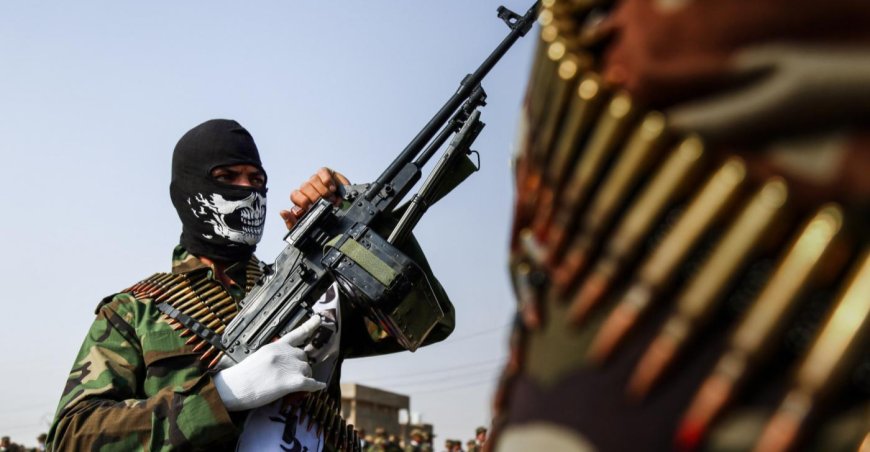
In a significant political development in Baghdad, Health Minister Abdul Hussein al-Moussawi announced that several armed factions expressed readiness to discuss disarmament. These groups, including elements linked to the Coordination Framework, indicated willingness to consider transferring weapons under negotiated conditions. Officials described the shift as a potential step toward strengthening state authority and consolidating security structures nationwide.
According to the minister, the factions seek clear guarantees and structured arrangements before agreeing to surrender their weapons to government control. They want assurances regarding political inclusion, institutional roles, and protection of their members during any transition process into formal state systems. Consequently, negotiations are expected to focus on balancing security reform with political stability in an already complex national environment.
Moreover, Iraqi authorities view the discussions as an opportunity to reduce fragmentation among armed groups and reinforce centralized command over security forces. Leaders argue that integrating factions into official institutions could improve coordination, reduce parallel chains of command, and enhance national sovereignty. However, they also acknowledge that trust deficits and competing interests may complicate progress during upcoming negotiations.
At the same time, analysts highlight that the willingness to engage reflects broader regional and domestic pressures encouraging stabilization and institutional reform. They note that political actors increasingly recognize the risks posed by independent armed groups operating outside formal state authority. Therefore, dialogue around disarmament represents both a strategic necessity and a test of political consensus within Iraq’s leadership.
Ultimately, the outcome of these discussions could reshape Iraq’s security landscape and influence long term governance dynamics. Successful agreements may strengthen state institutions, while failure could prolong fragmentation and uncertainty across the country’s political system. Observers emphasize that sustained dialogue, credible guarantees, and inclusive planning will determine whether these initial signals translate into meaningful change.
[Source: Al Arabiya]