








/file/attachments/orphans/iStock-802203090_325419.jpg)
















North Korea initiates dynastic transition as Kim Jong-il assumes leadership
The nation enters a new political era following the death of its founding leader
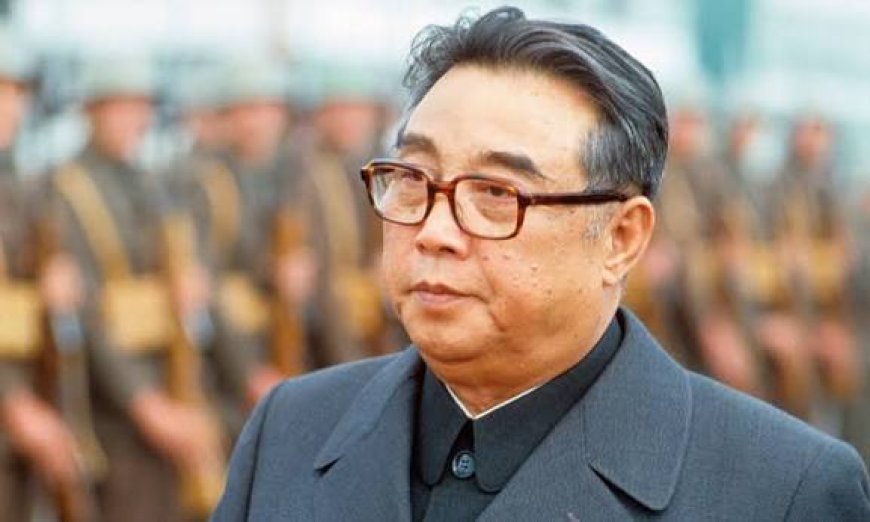
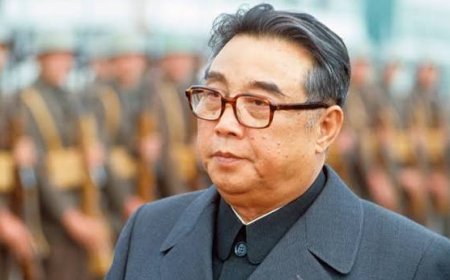
The sudden passing of Kim Il-sung initiated an unprecedented political shift within the reclusive nation of North Korea during July. Consequently, his son Kim Jong-il officially assumed supreme authority and took complete control over the country's centralized governing apparatus. This momentous transition established the very first hereditary dynastic succession ever recorded within a modern communist state across global history.
Government officials in Pyongyang immediately broadcasted the somber news regarding their supreme leader to a stunned national populace. Meanwhile, international political observers watched carefully because they anticipated potential instability or immediate military friction along the demilitarized zone. However, the regime maintained absolute social order through strict information controls and heavy military deployments near major urban centers.
The transition process actually required years of careful bureaucratic preparation before the elder statesman finally passed away from illness. Specifically, the junior leader steadily consolidated his personal influence over the powerful military forces and state media outlets beforehand. Therefore, top military commanders quickly pledged their absolute allegiance to the new leader during the official national mourning period.
This historic administrative shift effectively solidified a rigid governance framework that directly shapes the geopolitical landscape even to this day. Furthermore, neighboring countries like South Korea and Japan immediately placed their respective defense forces on the highest military alert. Regional security experts concluded that this internal succession would firmly lock North Korea into its isolationist foreign policy posture.
The newly appointed leader quickly prioritized the national military doctrine above all other domestic economic programs and agricultural initiatives. Additionally, citizens throughout the country gathered daily in public squares to demonstrate their mandatory loyalty toward the ruling family. This seamless transfer of authority shattered previous assumptions that communist systems could not sustain hereditary lineages over generations.
Global diplomatic entities adjusted their strategic approaches as the regime firmly closed its borders against external western cultural influences. Meanwhile, historians continue to study how this specific transition altered the delicate balance of power throughout East Asia permanently. Ultimately, this structural shift ensured that the foundational policies of the state would endure without any substantial modification.
[Source: HRNK Insider]