






















David Lammy claimed almost £7,000 on expenses for tax returns
Deputy PM expensed more than any other Cabinet minister for accountancy bills
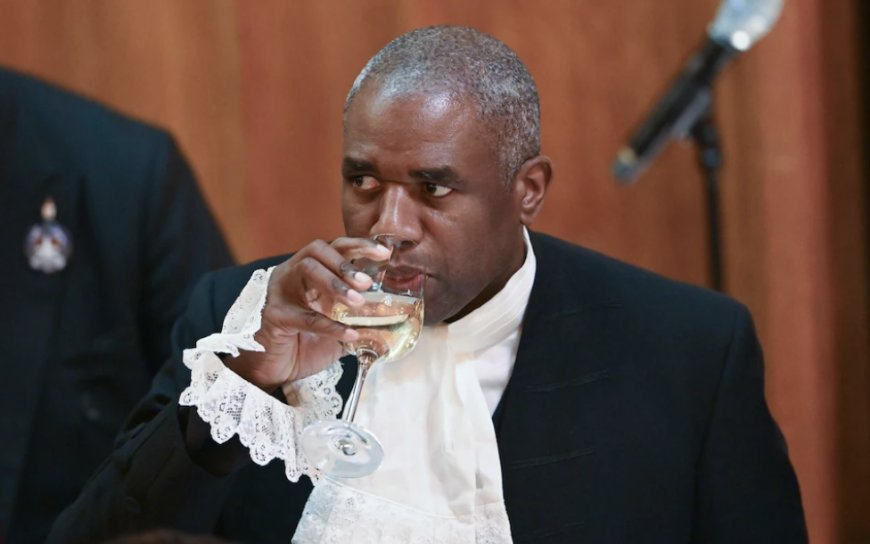
David Lammy has claimed almost £7,000 on expenses for help with his tax return, The Telegraph can reveal.
The Deputy Prime Minister paid his accountants’ fees out of the public purse 11 times between 2012 and 2024, according to analysis of expenses records. He claimed more cash back for accountancy bills than any other Cabinet minister over this period.
MPs used to be able to expense accountancy costs as long as they related to their parliamentary duties. But in April, the Independent Parliamentary Standards Authority (Ipsa) blocked this practice because of a rule change by HMRC.
Last year, before Ipsa banned claims for accountancy fees, Mr Lammy claimed £278. He was just one of two Cabinet MPs to do so. The only other Cabinet minister to do so was Pat McFadden, Secretary of State for Work and Pensions, who claimed £125.
A spokesman for Mr Lammy said his expenses were claimed and declared in line with Ipsa’s rules.
John O’Connell, of the lobby group the TaxPayers’ Alliance, said: “Taxpayers up and down the country are finding the tax burden ever more burdensome with successive chancellors raising rates, freezing thresholds and layering on complexity.
“With the Deputy Prime Minister’s Government being the worst culprit of this, he should be considering how this will look to his constituents.”
Some tax experts have argued that allowing MPs to pay accountancy bills out of the public purse was never fair.
David Whiscombe, an independent tax consultant, said: “I’m sure that many MPs with income and gains from non-parliamentary sources have complicated tax affairs which warrant taking professional advice.
“But that has never been a reason, in my view, to expect the cost to be funded by the public.
“Being an MP does not of itself complicate an individual’s tax affairs to the extent that it makes it necessary to take professional advice.
“In my view, Ipsa’s change of practice is justified and overdue.”
Announcing the changes at the start of the tax year, Ipsa said: “From the 2024-25 tax year, MPs were no longer required by HMRC to submit a self-assessment tax return simply because they are MPs. Ipsa will not accept any claims relating to preparing a self-assessment tax return for 2024-25 or future years.”
The National Audit Office warned at the start of this year that Britain’s tax system was growing increasingly complex. The nation’s tax burden is on track to hit a record high of 38pc of GDP in 2030, thanks in part to the freeze on tax thresholds.
Chancellor Rachel Reeves has extended this freeze until 2030-31, forcing taxpayers into higher tax bands as their wages rise.
A spokesman for Mr McFadden, who claimed £125 for the cost of an accountant in November 2024, said: “The claim related to accountancy costs for the tax year 2023-24, which was allowed under Ipsa’s rules.”
Between 2012 and 2024, Mr Lammy claimed a total of £6,882 for the cost of accountancy services, billing as much as £936 in one year. In two claims, he specified that these equated to 60pc or 70pc of his accountancy fees.
Last year, Telegraph Money revealed that Rachel Reeves had claimed £1,225 for accounting support between 2014 and 2022. She repaid a claim made in 2023 and has not expensed the cost since, records show.
Ipsa used to allow MPs to expense accountancy fees for parliamentary affairs but not their personal tax affairs. An MP may hire an accountant to keep a record of office costs, advise on potentially complex areas such as a staff member’s employment status or help with their tax return.
Millions of workers are currently filling in their tax returns before the self-assessment deadline on Jan 31.
Despite extra funding from the Government to fix its customer service, taxpayers can struggle to contact HMRC for assistance. The tax office has failed to answer almost 1.8 million calls this year either because the taxpayer abandoned the call or because HMRC’s agents were busy.
A spokesman for HMRC said: “We receive tens of millions of calls every year, and the average time a person waits to speak to an HMRC representative is 13 minutes, down 30pc on last year. But achieving further improvement is a top priority, and we’re also investing £500m in digital services so more people can manage their tax quickly and easily online.”
[Source: Daily Telegraph]