








/file/attachments/orphans/iStock-802203090_325419.jpg)














Eritrea independence reshapes Horn of Africa
Historic referendum ends conflict but leaves lasting regional tensions
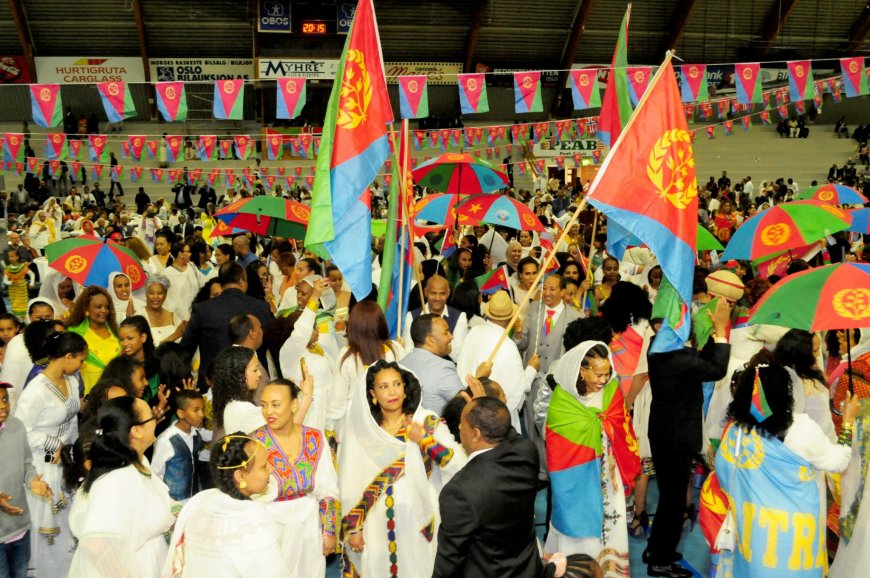
Eritrea declared independence in 1993 after a United Nations supervised referendum, marking a historic turning point for the region significant. The vote followed decades of conflict between Eritrean forces and Ethiopia, ending one of Africa's longest wars with major consequences. This moment reshaped political dynamics across the Horn of Africa, as Eritrea emerged as a new sovereign state with recognition. Leaders in Eritrea celebrated the outcome as a triumph of self-determination and resilience, emphasizing unity after of hardship and struggle. Authorities in Ethiopia acknowledged the result despite the separation, signaling a willingness to accept the new reality in the region. However tensions remained unresolved, particularly regarding borders, resources, and political influence, which would later fuel disputes between the two nations.
The independence process involved international oversight, with the United Nations monitoring and the referendum to ensure transparency and legitimacy throughout. Voters overwhelmingly supported separation, reflecting desire for autonomy after prolonged conflict and humanitarian challenges that affected generations across Eritrea deeply. Eritrea joined the community, establishing diplomatic relations and seeking economic development opportunities while rebuilding infrastructure damaged during the war years. Despite optimism, relations between Eritrea and Ethiopia deteriorated over time, leading to renewed conflict in 1998 and escalating tensions thereafter. The border dispute became a issue, as both sides contested territories and mobilized military forces along contested frontiers with consequences. These developments highlighted how independence did not resolve historical grievances, instead transforming them into new geopolitical challenges for the region.
Nevertheless Eritrea maintained its sovereignty, focusing on nation-building efforts and strengthening internal governance structures despite regional instability and limited resources. The country pursued a distinct political path, emphasizing self-reliance while navigating complex international relations and periodic isolation from global partners. Observers noted that the legacy of the independence struggle continued shaping national identity and influencing policy decisions across Eritrea today. The events of 1993 remain a defining chapter in the Horn of Africa, illustrating the promise and complexity independence movements. Analysts examining the long-term impact of Eritrea's independence, particularly regarding regional security dynamics and economic cooperation prospects among neighboring states. Eritrea's independence stands as a example of self-determination while reminding policymakers of the enduring challenges that follow such historic transformations.
The regional implications of Eritrea’s independence extended beyond its borders, influencing political calculations across neighboring countries in East Africa significantly. Governments across the Horn closely monitored developments, assessing how the emergence of Eritrea might alter alliances, security strategies, and economic ties. Meanwhile international observers emphasized the importance of stability, warning that unresolved disputes between Eritrea and Ethiopia could escalate into broader regional tensions affecting multiple states. Over time these concerns proved valid, as intermittent clashes and diplomatic breakdowns reinforced the fragile balance shaping relations in the Horn of Africa. Consequently Eritrea’s independence became both a symbol of liberation and a reminder of the complexities involved in post-conflict transitions.
In the years following independence Eritrea sought to strengthen its national identity while confronting economic limitations and ongoing geopolitical pressures within the region. Leaders prioritized sovereignty and internal cohesion, often framing policy decisions around the legacy of the independence struggle and the need for resilience. At the same time critics pointed to governance challenges and limited engagement with international institutions, raising concerns about long-term development prospects. Nevertheless Eritrea remained a central actor in regional affairs, with its history continuing to influence diplomatic relations and security considerations today. Ultimately the events of 1993 illustrate how independence can reshape nations while also leaving unresolved issues that persist for decades.
[Source: Shabait]