

/file/attachments/orphans/ferial-andy_649260.jpg)
























A major maritime threat in Yemen
Yemen’s Houthi rebels officially declare a strategic naval blockade against Saudi Arabia after severe military clashes
Yemen’s Houthi movement officially declared a naval blockade against Saudi Arabia today following recent intense military clashes in regional waters. Consequently rebel leaders threatened all commercial oil vessels that attempt navigation near strategic maritime chokepoints during coming crucial operational weeks. Furthermore military analysts warn that unexpected naval confrontations could severely disrupt vital international trade routes through the crucial Red Sea.
Meanwhile Yahya Saree announced this immediate maritime embargo during an official televised video statement from the rebel controlled capital Sanaa. Moreover Houthi commanders blamed recent airstrikes on Sanaa International Airport for triggering this dramatic new phase of aggressive regional hostility. Subsequent retaliatory missile strikes targeted Abha International Airport inside Saudi Arabia as local tensions escalated quickly across neighboring state borders.
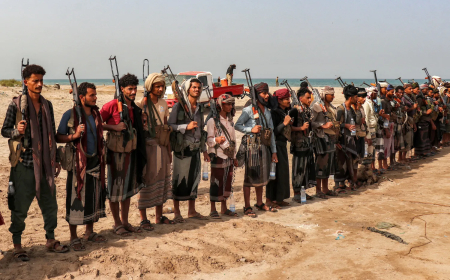
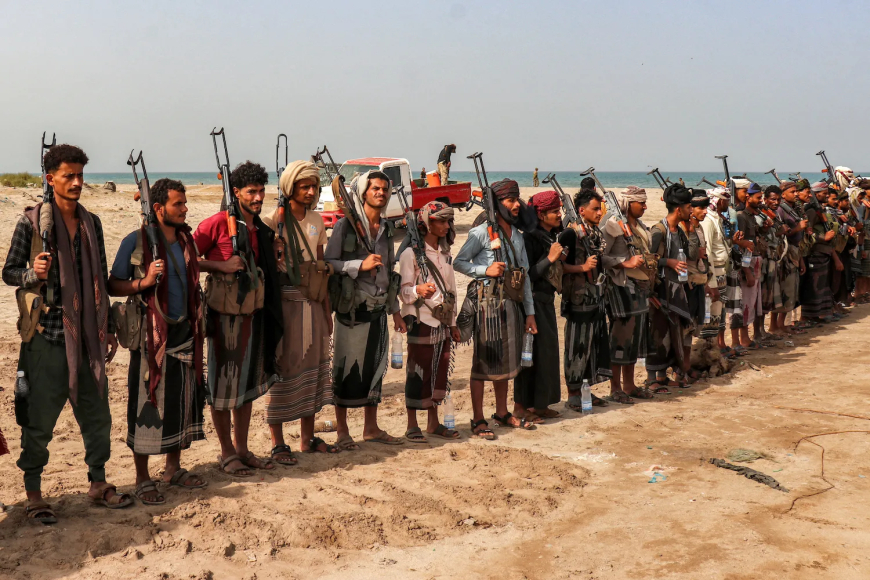
Accordingly Houthi fighters mobilized regional tribal forces while actively preparing specialized coastal defense units for potential long term maritime engagement. Therefore global shipping firms immediately altered commercial navigation plans to avoid dangerous coastal transit areas near southern Red Sea routes. Subsequently energy market analysts observed sharp price fluctuations as global traders evaluated severe threats against vital global oil shipments daily.
Likewise international maritime insurance organizations raised risk premiums significantly for commercial cargo vessels traversing surrounding regional waters near Yemen’s coast. Thus Saudi Arabia relies on alternative pipeline networks to transport crude oil directly toward port terminals along the Red Sea. Indeed operational disruptions at those critical energy terminals could drastically reduce daily export volumes heading directly toward key Asian markets.
Furthermore United Nations diplomats urged immediate restraint from all active combatants to prevent wider military conflict across the Middle East. Consequently foreign ministers held emergency diplomatic meetings in international capitals while assessing rising security risks affecting vital global trade corridors. Therefore military commanders in Riyadh continue evaluating defensive security measures to protect crucial offshore infrastructure and vital commercial shipping lanes.
Eventually regional leaders hope mediated diplomatic negotiations in Oman will restore lasting stability and prevent further destructive maritime warfare acts. Meanwhile local coastal communities remain on high alert while tracking ongoing military developments along strategic regional maritime trade routes daily. Ultimately this bold naval blockade clearly demonstrates the expanding volatile security challenges currently reshaping political relations throughout western Asia today.
[Source: Foreign Policy]