






























Can Najib serve out prison sentence at home? Court to decide on Jan 5

KUALA LUMPUR, Nov 24 — The High Court will decide on January 5 if former prime minister Datuk Seri Najib Razak may serve the rest of his prison term at home instead of at Kajang Prison.
High Court judge Alice Loke Yee Ching fixed the decision date after hearing arguments today from both Najib's lawyer and the Attorney General's Chambers.
Today was the High Court’s hearing on Najib’s bid to be placed on house arrest.
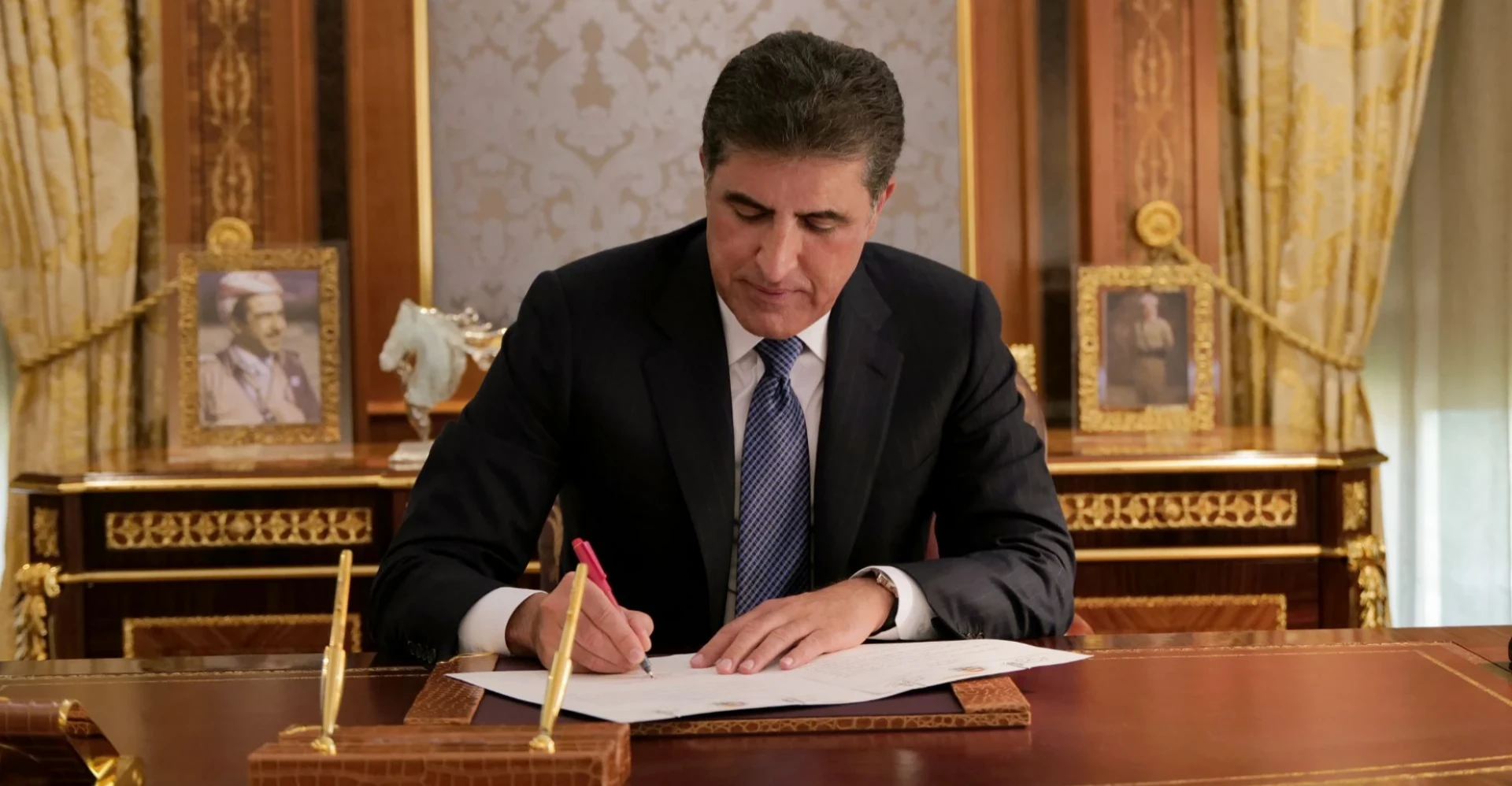
Previously, the 16th Yang di-Pertuan Agong had in a Federal Territories Pardons Board meeting on January 29, 2024 decided to reduce Najib’s jail term from 12 years to six years.
In his court challenge filed in April 2024, Najib is arguing that the former Agong had made an “addendum” or additional order for him to serve his remaining jail sentence at his Kuala Lumpur home, and wants the government to enforce this house arrest order.
House arrest was not discussed or decided during Pardons Board meeting, court hears
Key questions raised during the court hearing today revolved around whether the 16th Yang di-Pertuan Agong’s add-on house arrest order was made during the same Pardons Board meeting on January 29, 2024, and whether this order is valid or not.
During the hearing today, reference was made to the Prime Minister’s Department’s Legal Affairs Division’s (BHEUU) deputy director-general Datuk Punitha Silivarajoo’s affidavit filed this October 16 in this case. BHEUU is the Pardons Board’s secretariat.
In her sworn written statement based on the minutes for the January 29, 2024 meeting, Punitha said the AG had provided his written opinion and the Pardons Board had given its advice on Najib’s pardons application.
Punitha said the then Agong had proposed for Najib to be fully pardoned and asked the Pardons Board members to give their views, with the majority disagreeing and the Agong subsequently proposing and deciding to reduce Najib’s jail term by 50 per cent and to reduce the fine to RM50 million.
She confirmed that the Pardons Board meeting minutes showed that the only decision made was to reduce Najib’s jail term by half, and that the additional order on house arrest was not discussed or decided in the January 29, 2024 meeting.
The Attorney General’s Chambers’ (AGC) senior federal counsel Shamsul Bolhassan highlighted that the Federal Court had previously said that the add-on order for Najib’s house arrest does not “automatically” become valid just because it exists, and that the Federal Constitution’s Article 42 has to be complied with.
Shamsul argued that the additional order for Najib’s house arrest is not valid and cannot be legally enforced, as it was not discussed during the Pardons Board’s meeting in January 2024 and did not comply with the Federal Constitution’s requirements.
“In fact, everything was discussed during the meeting, including the suggestion to give 100 per cent full pardon, and later the option of 50 per cent. So everything was canvassed, deliberated and discussed during the meeting. And the advice by the Board was tendered in the meeting, and the Yang di-Pertuan Agong suggested a 50 per cent reduction.
“So after deliberating and taking into consideration the advice, it was decided in the meeting that 50 per cent was granted with regards to the sentence as well as the fine.
“So nothing was mentioned about house arrest during the meeting. So we submit here it does not fulfil the requirements under Article 42(8) and 42(9),” he argued.
Article 42(8) states that the Pardons Board shall meet in the presence of the ruler and the ruler shall preside over the meeting, while Article 42(9) requires the Pardons Board to consider the AG’s written opinion before the Pardons Board gives its advice on any matter.
Article 42(4)(b) also requires the Agong to act on the Pardons Board’s advice when exercising his powers to grant pardon.
Najib’s lead defence lawyer Tan Sri Muhammad Shafee Abdullah today argued that the add-on order for house arrest is valid and can be enforced.
Among other things, Shafee argued that the Agong is not legally bound by the Pardons Board’s advice, and that the ruler could independently make his own decision on pardons applications.
Shafee argued that the Yang di-Pertuan Agong could validly issue the add-on order for Najib’s house arrest, even if it is not made during the Pardons Board meeting.
Citing the word “preside” in Article 42(8), Shafee said this meant that the Agong “floats” over the Pardons Board, adding that the ruler can receive the Pardons Board’s advice and “can say ‘thank you very much for your advice’ and considers it and walks away and he says ‘I will make my decision in writing or a decree’”.
Shafee argued it was a “misinterpretation” that the Agong must decide together with the Pardons Board, asserting that the ruler only has to listen to the advice given, but that he is not obliged to follow the advice and “can go beyond what the Pardon Board has advised”.
“The Yang di-Pertuan Agong can totally ignore the advice. The Yang di-Pertuan Agong, can --- for instance, even if not discussed ---- he can come back and make announcement or make a decree without the presence of the Board as to what he wants to do,” he said, arguing that it is for “good governance” that the Agong consults and hears the Pardons Board’s advice to lessen the chances of him making a wrong decision.
Alternatively, Shafee argued that the Agong was not exercising his powers to grant pardon when issuing the house arrest order, but that the ruler was exercising his power to grant a “respite”.
Shafee said the house arrest order could be done without the Pardons Board’s involvement, as a respite is not a pardon and does not extinguish guilt, set aside punishment or reduce sentence. Instead, he said a respite modifies or eases how a sentence will be carried out.
“So when Yang di-Pertuan Agong exercises the power of respite, he doesn’t call out the Pardons Board to decide the relief he wants to give after granting the pardon,” Shafee argued.
But Shamsul argued that any powers exercised by the Agong — whether it was to grant pardons, reprieve or respite — have to comply with the Article 42(8) and 42(9) requirements.
Shamsul also argued that the house arrest matter still has to be discussed before the Pardons Board, in order for it to be valid.
[Source: Malay Mail]