



























EU abandons petrol car ban
Union bows to pressure from Germany and Italy to allow a limited number of polluting vehicles to be sold
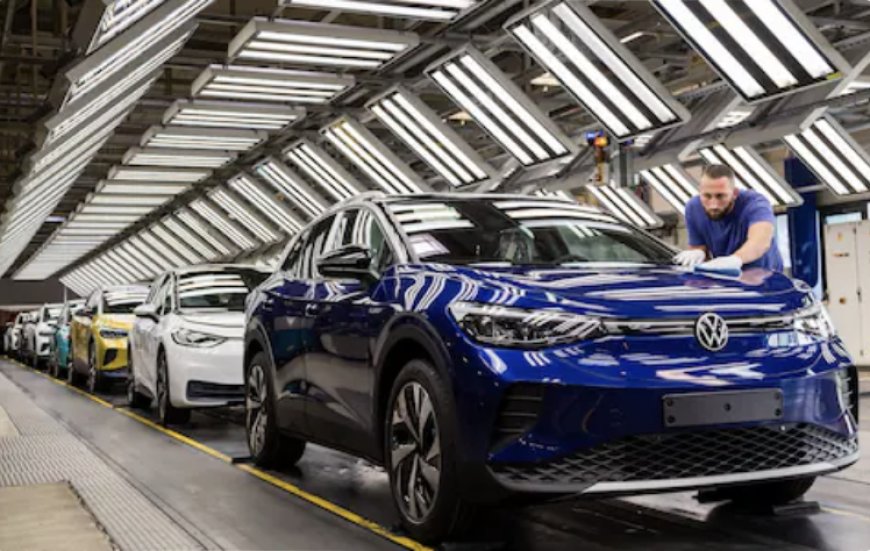
The European Union has abandoned plans to ban the sale of new petrol and diesel cars by 2035, bowing to pressure from Germany and Italy.
Under proposals slammed by green groups as an act of “self-sabotage”, carmakers will have to cut exhaust emissions from new vehicles by 90 per cent from 2021 levels, down from an envisaged 100 per cent.
This means that in practice, carmakers will still be able to sell a limited number of polluting vehicles – from plug-in hybrids to diesel cars – beyond 2035, provided the resulting emissions are “compensated” in various ways.
When adopted in 2023, the combustion engine ban was hailed as a major win in the climate fight and a key tool to drive investments in electric vehicles.
But the EU executive has backed down after calls from European car giants and their governments to keep selling hybrids and cars with range extenders – an onboard petrol or diesel engine that recharges the battery but never directly drives the wheels – as they struggle to compete against Tesla and Chinese electric vehicle (EV) makers.
Carmakers will need to offset the remaining emissions by using lower-carbon steel made in the EU and synthetic e-fuels or non-food biofuels, such as agricultural waste and used cooking oil.
The plan also helps Europe’s beleaguered car industry – which has faced job cuts, factory closures and a small EV take-up over the past year.
‘Economically sound’
The ban comes as part of the EU’s pro-business push that has seen it pare back environmental laws this year, claiming they risk weighing on growth.
Stephane Sejourne, the EU’s industry chief, said the bloc’s green ambitions stood intact and called the plan a “lifeline” for Europe’s car industry.
“The European Commission has chosen an approach that is both pragmatic and consistent with its climate objectives,” he told AFP.
Volkswagen, Europe’s biggest carmaker, welcomed the move as “pragmatic” and “economically sound”. German Chancellor Friedrich Merz said allowing for “more openness to technology and greater flexibility” was the right step.
The French presidency called the EU’s auto plan “balanced” overall, but its environment minister slammed the “flexibility” granted for petrol and diesel cars, and said Paris hoped to stop it from becoming law.
Michael Lohscheller, the chief executive of Swedish EV manufacturer Polestar, added: “Moving from a clear 10pc zero-emissions target to 90pc may seem small, but if we backtrack now, we won’t just hurt the climate. We’ll hurt Europe’s ability to compete.”
‘Economic act of self-harm’
In the UK, Britain has a self-imposed 2030 ban on the sale of new petrol and diesel cars.
Boris Johnson, the former Tory prime minister, first announced the plans. His proposal meant the UK would go faster on phasing out internal combustion than the EU, which had set a 2035 date for its own ban.
Labour is now the only one of the three leading parties still supporting the policy, which could prove a key issue among Britain’s 40 million drivers at the next election.
Kemi Badenoch said the Tories will ditch it if the party takes back power.
The Conservative leader said she would scrap Downing Street’s EV quotas, describing them as an “economic act of self-harm”.
Writing for The Telegraph, she warned that Labour’s “ideological zeal” risked leaving Britain isolated and uncompetitive, and played into China’s hands.
[Source: Daily Telegraph]