

/file/attachments/orphans/Nonku-Nombasa-Mapisa3_550805.jpg)























President Nechirvan Barzani and water-related issues in Iraq
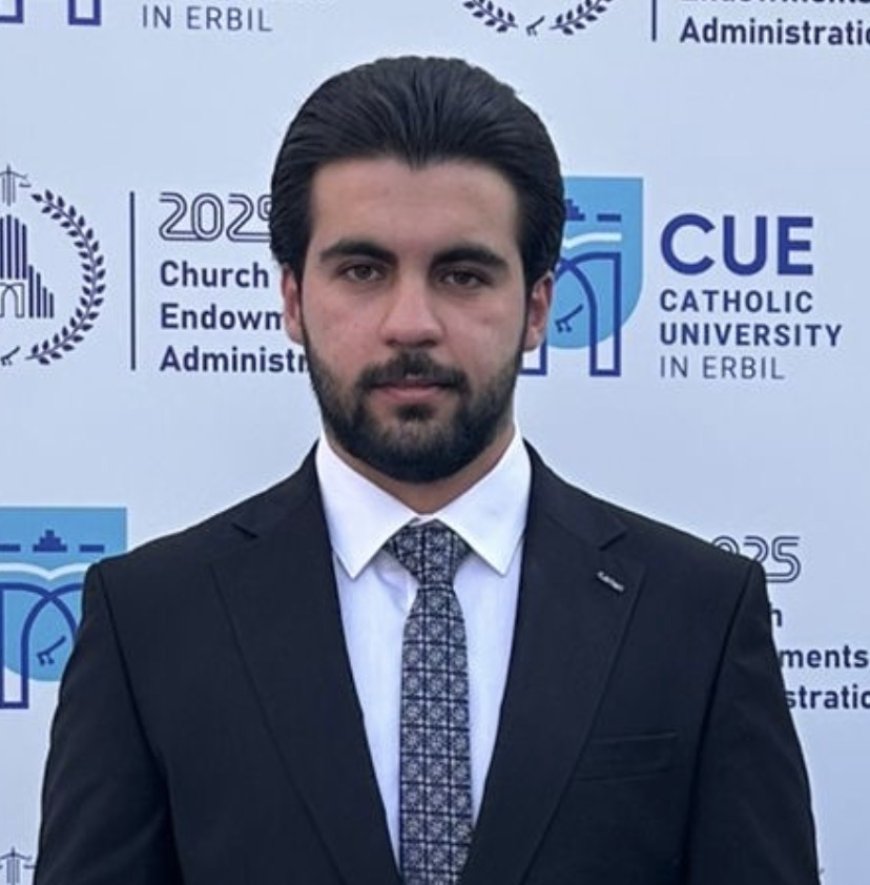
Ramyar Nasrullah Fars Sherwani / Catholic University in Erbil
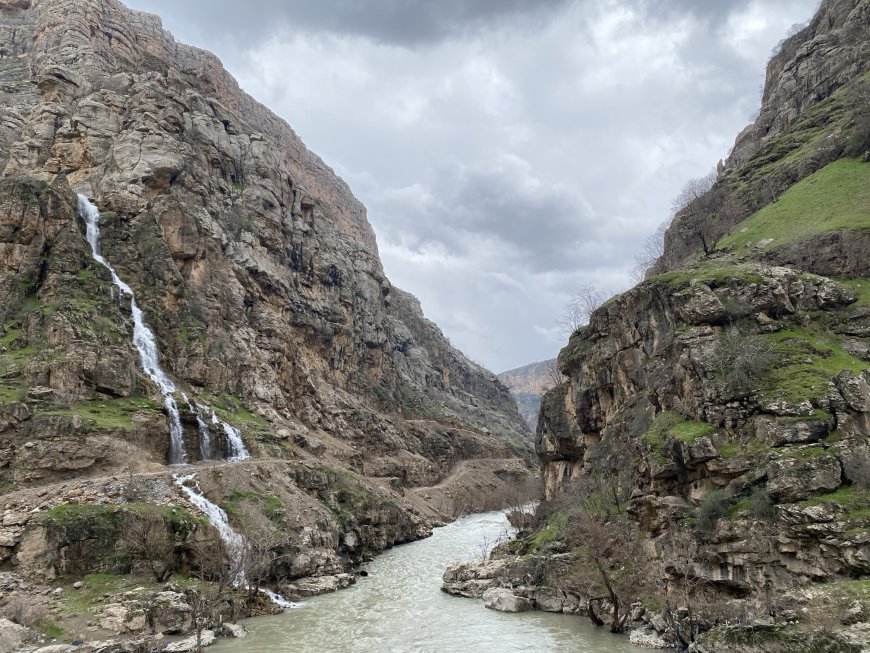
Concerns about water scarcity, and in particular Iraq’s water crisis, have deepened in recent years as rainfall has become increasingly unpredictable, river flows have diminished, and reservoirs have struggled to maintain adequate levels. Iraq is generally known as one of the world’s most water-stressed countries, a situation compounded by climate change, upstream dam projects in Türkiye and Iran, as well as decades of inadequate water management. These environmental pressures have knock-on effects for agriculture, which remains important for rural livelihoods. As water resources diminish, farmers face escalating challenges in irrigating crops, maintaining soil health and sustaining livestock. These pressures in turn drive internal displacement and socio-economic hardship.
At the same time, recent weather patterns in the Iraqi Kurdistan Region have offered a reminder of nature’s variability. After several years of drought and declining water reserves, the winter of 2025-26 brought unusually heavy rainfall and snowfall across northern Iraq and the Kurdistan Region. Water levels in many of the region’s dams have surged significantly due to these storms; indeed, authorities have observed up to a 200% increase in water storage in key reservoirs compared with previous years thanks to sustained rainfall.
Waterfall at Kani Maran, on the Hamilton Road - there again due to this winter's rainfall.
This winter’s precipitation has translated into greater available water reserves. Dams across the region including those at Dukan and Darbandikhan have experienced substantial increases in inflows and reservoir levels. In some areas, rainfall this season was two to three times higher than the same period last year, boosting stored water volumes and easing seasonal water shortages. Moreover, in parts of Erbil province, dams have overflowed after days of rain and snow, a striking contrast to the protracted dry spells of recent years. Such a situation is thus becoming somewhat of an anomaly.
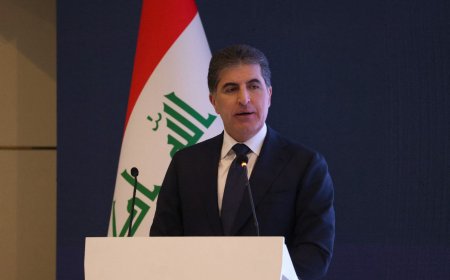
President Nechirvan Barzani holds deep respect for the environment and is concerned about both climate change and water scarcity, particularly in the Middle East and Iraq. This reflects not only a clear awareness of environmental degradation but also a clear recognition of its human, economic and strategic implications. He has often spoken about the urgency of addressing climate change and its associated effects on water security, agriculture, livelihoods and regional stability.
At the heart of President Barzani’s concern is the stark reality that climate change and water scarcity are already reshaping the environmental and socio-economic landscape of Iraq and the Kurdistan Region. Iraq, according to various studies and assessments, is one of the most vulnerable countries globally to the impacts of climate change, grappling with rising temperatures, erratic rainfall patterns, prolonged droughts, desertification and growing water scarcity. These shifting climatic conditions have contributed to the depletion of water resources, reduced agricultural productivity and heightened competition over essential natural resources across communities.
President Nechirvan Barzani has emphasised that climate change is not a distant threat but a present danger with immediate consequences. He has warned that without concerted action, climate change will continue to inflict severe damage on the natural environment and human well-being. In his speeches, he has pointed to accelerating water shortages, expanding desertification and the loss of agricultural land as clear evidence of climate disruption, particularly noting how reduced precipitation and deteriorating weather patterns have compromised ecosystems and traditional livelihoods. Such conditions, he argues, necessitate urgent, collaborative strategies to protect natural resources and ensure sustainable living conditions for current and future generations.
At a 2024 symposium under the banner ‘Drought and the Impact of Climate Change on the Political, Economic, and Demographic Situation of Iraq’, he told the audience, “It is imperative that both the Iraqi government and the Kurdistan Regional Government adopt a more proactive approach to addressing climate change through robust policies and programs … The cooperation between Kurdistan Region's institutions and Federal Iraq's is essential to effectively address the challenges posed by climate change.”
It can be seen that President Barzani’s focus on dialogue and collaborative approaches to problem-solving is very much apparent here, particularly in respect of water issues. This is characteristic of his approach to national, regional and international relations.
Still, President Nechirvan Barzani and other officials have been careful not to interpret these seasonal gains as a solution to the deeper climate crisis. The broader trend of fluctuating precipitation and enduring vulnerability remains a serious concern. Historically low water reserves, upstream control of rivers, rising temperatures and long-term drought risks persist, emphasising the precarious balance that Iraq and the Kurdistan Region must find its way through.
For him, the challenge is clear: strategic water management must be integrated with broader climate adaptation efforts if the region is to build resilience. This includes improving infrastructure such as dams and reservoirs whilst also investing in sustainable land use, water conservation technologies and agricultural practices that are resilient to climate variability. More importantly, cross-government coordination and international collaboration are essential to address the systemic nature of climate threats that know no borders.
President Nechirvan Barzani’s focus on climate change also ties into larger concerns about human security. He has highlighted the potential for climate-induced displacement and migration, warning that environmental degradation could trigger waves of internal and external migration unless proactive solutions are found. He has called upon regional partners, development organisations and European nations to support Iraq and the Kurdistan Region in addressing the root causes of climate stress, underscoring the shared global interest in stability, prosperity and environmental stewardship.
His concern for climate change reflects both an awareness of environmental risks and a strategic vision for collective action through the means of dialogue and consensus. By elevating climate change as a top priority for Iraq and the Kurdistan Region and advocating for urgent, collaborative responses, he has drawn attention to the ways in which environmental change intersects with water security, agriculture, population stability and regional development. Even as improved winter rainfall has temporarily replenished water levels and eased short-term pressures, the long-term trajectory of climate change demands sustained, forward-thinking policies, something that is evident in his leadership, diplomacy and advocacy.



/file/attachments/orphans/ED_543155_209242.jpg)
