

/file/attachments/orphans/Nonku-Nombasa-Mapisa3_550805.jpg)






















Nechirvan Barzani, Peace designer: Consideration for the Nobel Peace Prize in a fragmented Middle East
Bakhtiar Sajadi, cultural critic and university professor
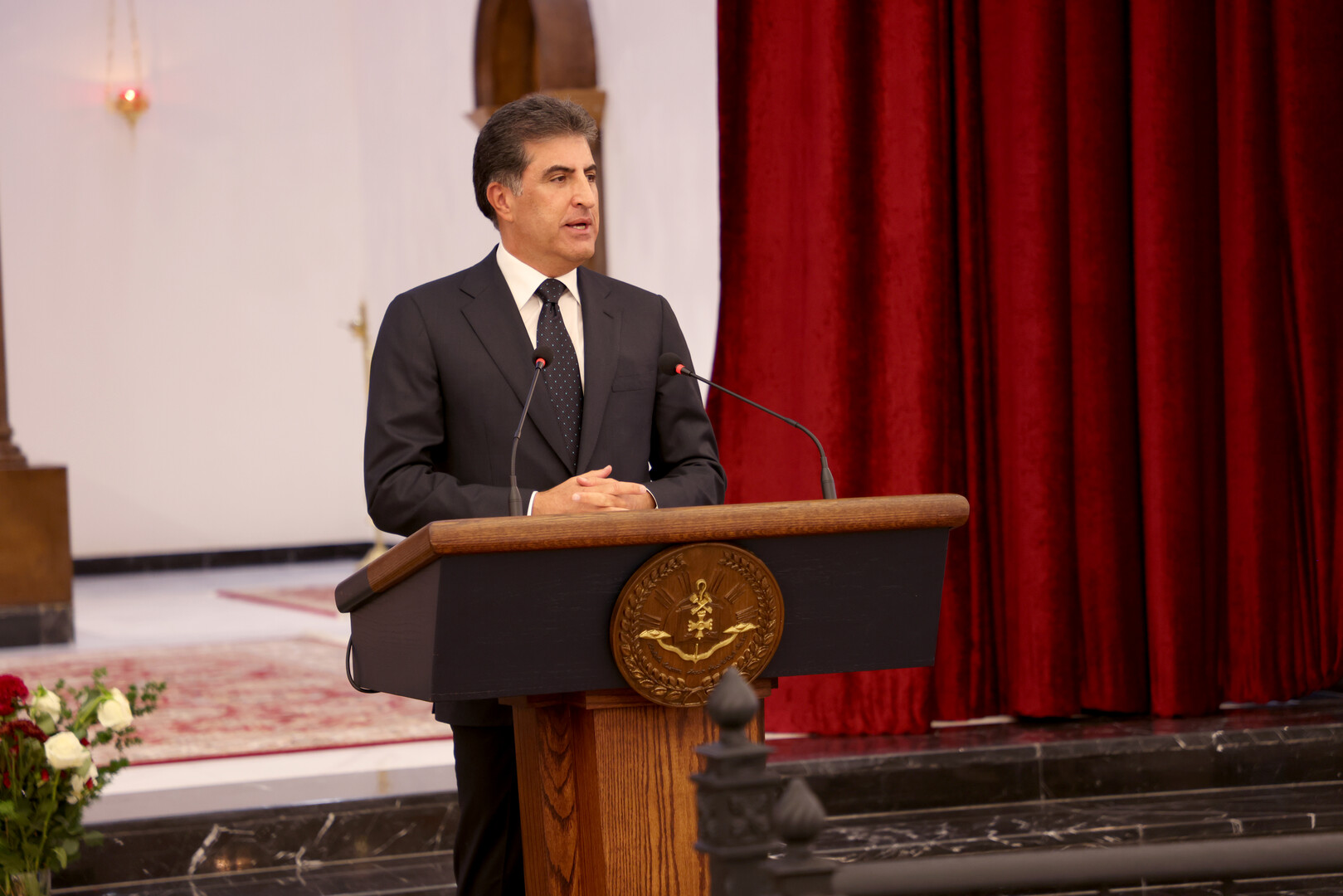
Peace is not merely the absence of conflict; it serves as the essential foundation for human dignity, societal welfare, and development. In a time marked by profound sectarian divides and the enduring influence of authoritarianism, the Middle East faces not a crisis, but a lack of statesmen who can blend a pragmatic approach with an exemplary vision to transform diplomacy.
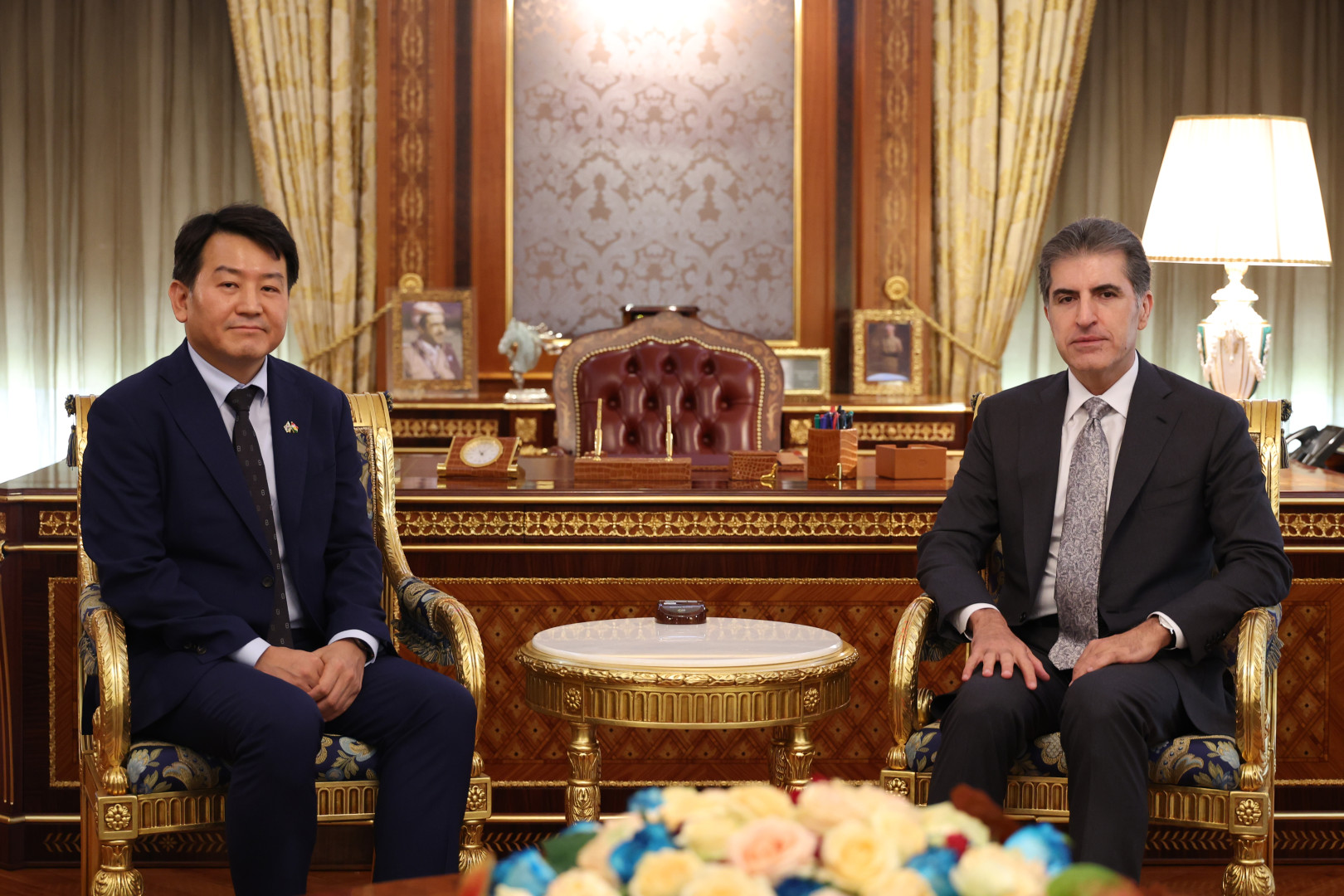
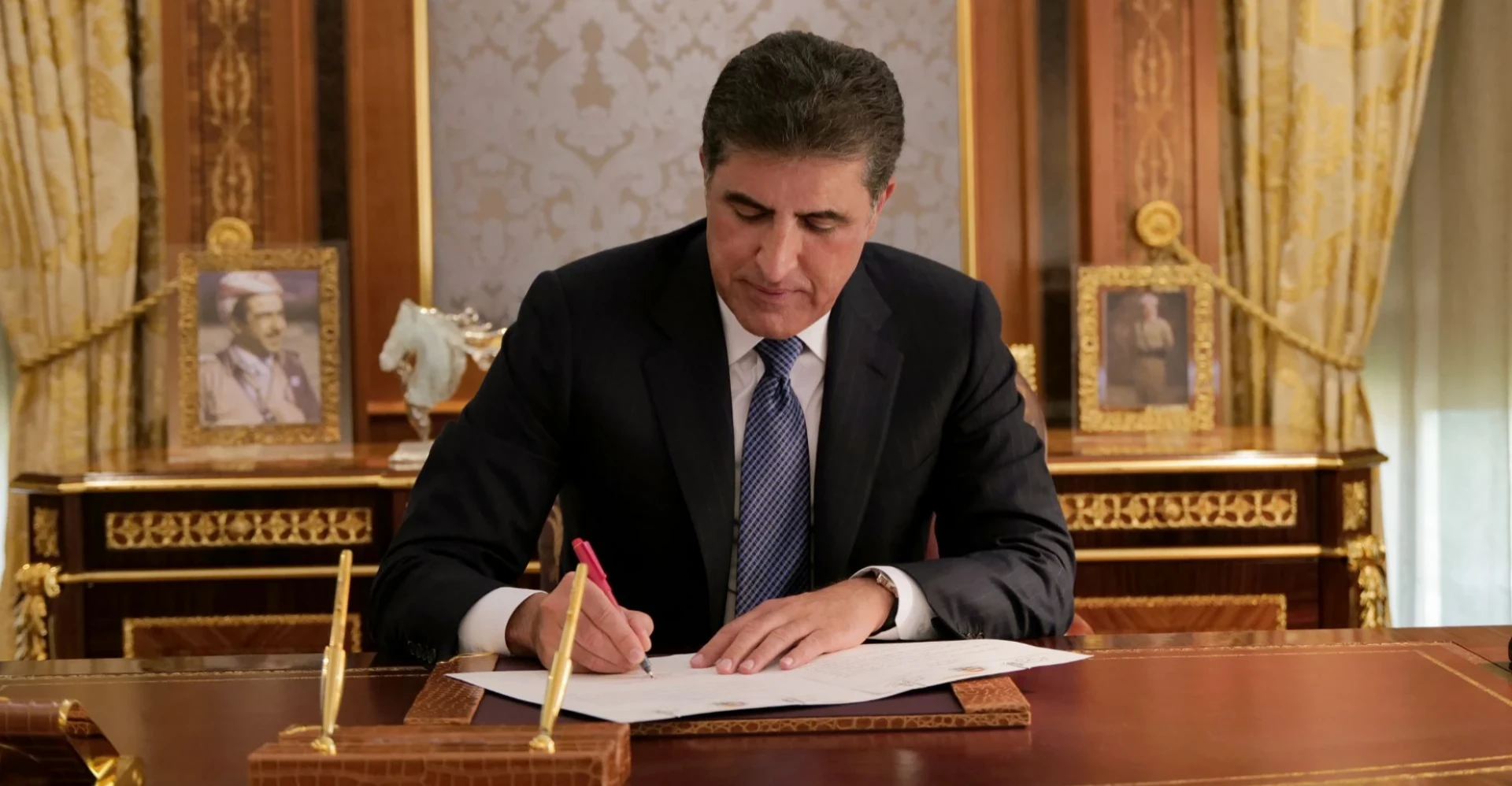
Nechirvan Barzani, the president of the Iraqi Kurdistan Region, stands out as a significant political figure in the Middle East, having developed over the past few decades into one of the few individuals embodying “genuine consensus” in a region frequently defined by “zero-sum” conflicts. "Peace is our greatest strength and the most effective way for the Kurds to advance," Barzani stated during a speech. His lifelong dedication and efforts are built upon two solid foundations: local development and external mediation.
The global community has taken note of this. "You are worthy of the Nobel Peace Prize," stated Italian Defense Minister Guido Croscito candidly during high-level security discussions. This remark was not just a diplomatic acknowledgment; instead, it highlighted Nechirvan Barzani's skill in transforming critical points of tension into chances for mutual understanding that foster peace. From facilitating the peace process between Turkey and the PKK and aiding the Yezidis' liberation from ISIS in 2014, to mediating the recent Syrian conflict and contributing positively at the Munich Security Conference 2026, he has established a framework for peace that transcends national and ethnic divides.
Vision of "Reconstruction Engineer"
When Nechirvan Barzani assumed the presidency in 2019, it marked the peak of his international political journey dedicated to service and renewal. He had previously held the position of prime minister of the Kurdistan Regional Government for three terms (2006-2009 and 2012-2018), earning the endearing title of "engineer of reconstruction" from his constituents. The region he inherited was still grappling with the aftermath of decades of warfare, international sanctions, and internal strife; it was a region marked by underdevelopment, poverty, and isolation.
Under his guidance, that perception shifted. A territory once ravaged by Saddam Hussein’s Anfal campaigns was revitalized into a flourishing center of infrastructure, education, and commerce. Erbil International Airport, roads linking remote communities, new universities, international exhibitions, and a diversified economy rooted in energy and trade now serve as significant testaments to his vision. Nechirvan Barzani has consistently emphasized that true domestic stability is essential for any external influence. As president, he has channeled the same constructive energy internationally to soothe a region still afflicted by conflict.
Kurdish political internal organization
Despite numerous international attempts at mediation, Nechirvan Barzani's most significant contributions have been made within the Kurdistan Region itself. As the vice president of the Kurdistan Democratic Party (KDP), the oldest and most influential political entity in the region, he has consistently transcended narrow party interests to serve as a genuine mediator for Kurdish unity. The longstanding conflict between the PUK and KDP has posed a considerable challenge for regional politics. Nechirvan Barzani has emerged as an essential link, ensuring that internal agreements align with the broader aspirations of the Kurdish people.
His dedication to inclusive governance is perhaps best illustrated by his tireless efforts to unify the Peshmerga forces. For many years, these fighters were split along party lines, which significantly hindered the true institutionalization of the state. Through persistent leadership and oversight, Nechirvan Barzani has facilitated historic advancements in 2025 and early 2026, integrating units into a professional national army under the Ministry of Peshmerga Affairs.
Nechirvan Barzani's position as a local peacemaker has been crucial during the constitutional and electoral deadlock. Whether he is mediating the formation of the government in Erbil or the allocation of federal positions in Baghdad, he has consistently prioritized Kurdistan's interests over party agendas. By fostering a culture of consensus and rejecting marginalization policies, Nechirvan Barzani has demonstrated that enduring peace must begin at home.
Mediation of the 40-year conflict between Turkey and the PKK
For over four decades, the most significant threat to regional stability has been the conflict between Turkey and the Kurdistan Workers' Party (PKK). This war has resulted in tens of thousands of casualties and strained relations within the Kurdish community. Nechirvan Barzani has approached this challenge in his unique manner. Leveraging his deep institutional connections with Turkish President Recep Tayyip Erdogan and Foreign Minister Hakan Fidan, he has positioned the Kurdistan Region as a dependable partner.
Veteran observers have noted this and have highlighted this achievement on multiple occasions. Mohammed Amin Penjweni characterized Nechirvan Barzani's involvement as a "humane and effective" contribution that successfully connected Ankara's security issues with Kurdish political aspirations. When the PKK declared its withdrawal from Turkish territory and disarmament in 2025, Nechirvan Barzani embraced it as a “new turning point for the entire region.” By establishing a firm basis for negotiation, he demonstrated that even the most challenging conflicts could be resolved by a calm, principled statesman.
Balance at the heart of sovereignty: Erbil, Baghdad, and Tehran
In Iraq's intricate federal system, Nechirvan Barzani has consistently championed “mature federalism.” Despite persistent challenges regarding oil revenues, budget allocations, and areas of conflict, he has diligently worked to ensure that Erbil and Baghdad address their disputes through constitutional means rather than through confrontation. He is a cherished figure in Baghdad's political landscape and is recognized for his endeavors to promote peace, stability, and development not only in the Kurdistan Region but throughout the entire country.
This pragmatic perspective also extends to influential neighbors. Having spent his formative years in Iran, Nechirvan Barzani possesses the cultural and linguistic capabilities necessary to engage with Tehran. He has engaged in close discussions with Iranian Supreme Leader Ayatollah Ali Khamenei on several occasions. By encouraging dialogue regarding borders, he has contributed to stabilizing a border that has historically been fraught with tension. His skill in maintaining constructive relationships with both Baghdad and Tehran—while safeguarding Kurdish sovereignty—demonstrates his profound understanding of the power dynamics in the region.
The Yazidis and a moral obligation
Nechirvan Barzani's dedication to peace is evident in his proactive humanitarian efforts. In 2014, when ISIS perpetrated genocide against the Shiite community in Sinjar, then-Prime Minister Nechirvan Barzani acted swiftly while much of the international community chose to remain silent. The mission to free Sinjar, which was overseen directly by President Massoud Barzani, which was initiated in 2015.
Opinions expressed are the author's own.






/file/attachments/orphans/ED_543155_209242.jpg)
