

/file/attachments/orphans/ED_543155_209242.jpg)





















Labour’s stealth raid on workers to push tax burden to record high
Freeze on thresholds pulls millions of Britons into paying levies for the first time

Labour’s stealth raid on workers will drive Britain’s tax burden up to a fresh record high, rising further and faster than previously forecast.
Taxes will rake in £1.4tn per year by the start of the next decade, according to the Office for Budget Responsibility (OBR), up from £1.2tn today.
That is equivalent to 38.5pc of GDP, up from 36.3pc in this financial year and higher than the 38.3pc predicted by the OBR at the time of Rachel Reeves’s Budget in November.
Critically, it is even further above the previous record tax burden of 37.2pc borne in 1948-49, when Britain was beginning to pay down the vast debts it accrued defeating the Nazis in the Second World War.
“Rising income tax revenues account for nearly half of the rise in receipts as a share of GDP, reflecting the freezing of personal tax thresholds until the end of 2030-31,” said the OBR in its forecast on Tuesday.
The figure includes an additional one million pensioners. The full new state pension is poised to rise above the £12,570 income tax threshold next year, meaning even those without any private income will be hit by the tax.
The Chancellor has said that those with no earnings beyond the state pension will not have to pay income tax. But the OBR said it has not been told how this will be brought into effect, leaving it unable to calculate the impact of the exemptions.
Elsewhere, the number of people who pay 40pc of their earnings will increase by 4.8 million, while a further 600,000 are being pulled into the 45pc rate, leaving 1.6 million people paying a rate initially brought to raise funds from the super-rich.
Overall, Ms Reeves is forecast to take £677bn per year from income tax and National Insurance by 2030-31, up from £535bn this year.
It comes despite forecasts that unemployment will rise to 5.3pc this year, equalling the highs seen in the worst moments of the Covid pandemic.
This means 1.9 million people will be seeking work, a level last seen in 2014, when the economy was still recovering from the financial crisis.
The OBR said there was a danger that the rising tax burden would undermine growth.
“A higher level of the tax take increases the risk that incentives within the tax system distort or constrain economic activity by more than expected,” it said.
The watchdog downgraded its outlook for growth in the economy this year from 1.4pc to 1.1pc.
Anna Leach, the chief economist at the Institute of Directors, said the tax burden was a growing problem for the economy.
“Projected growth has been lowered in the short-term as the impact on the labour market and confidence from chaotic policy management, and increased employment costs, weigh more heavily than anticipated,” she said.
The war in Iran also threatened to deal a “very significant” blow to Britain’s economy, the OBR warned.
The watchdog said: “Conflict in the Middle East, which escalated as we were finalising this document, could have very significant impacts on the global and UK economies.
“In addition, trade policy developments, the evolution of productivity growth and the labour market, and changes in equity prices and interest rates are key risks within the economy forecast.”
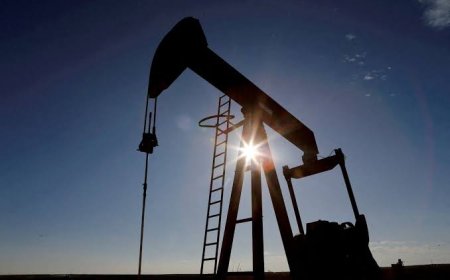
Britain faces a potentially painful energy price shock from surging oil and gas prices, which threaten to filter through into higher prices of everything from fuel to food.
[Source: Daily Telegraph]