


/file/attachments/orphans/ED_543155_209242.jpg)






















Aberdeen shoppers share views on ‘declining’ city centre as business bosses suggest solutions
Voters' biggest concerns ahead of the May elections - and what the government can do to reverse the decline.
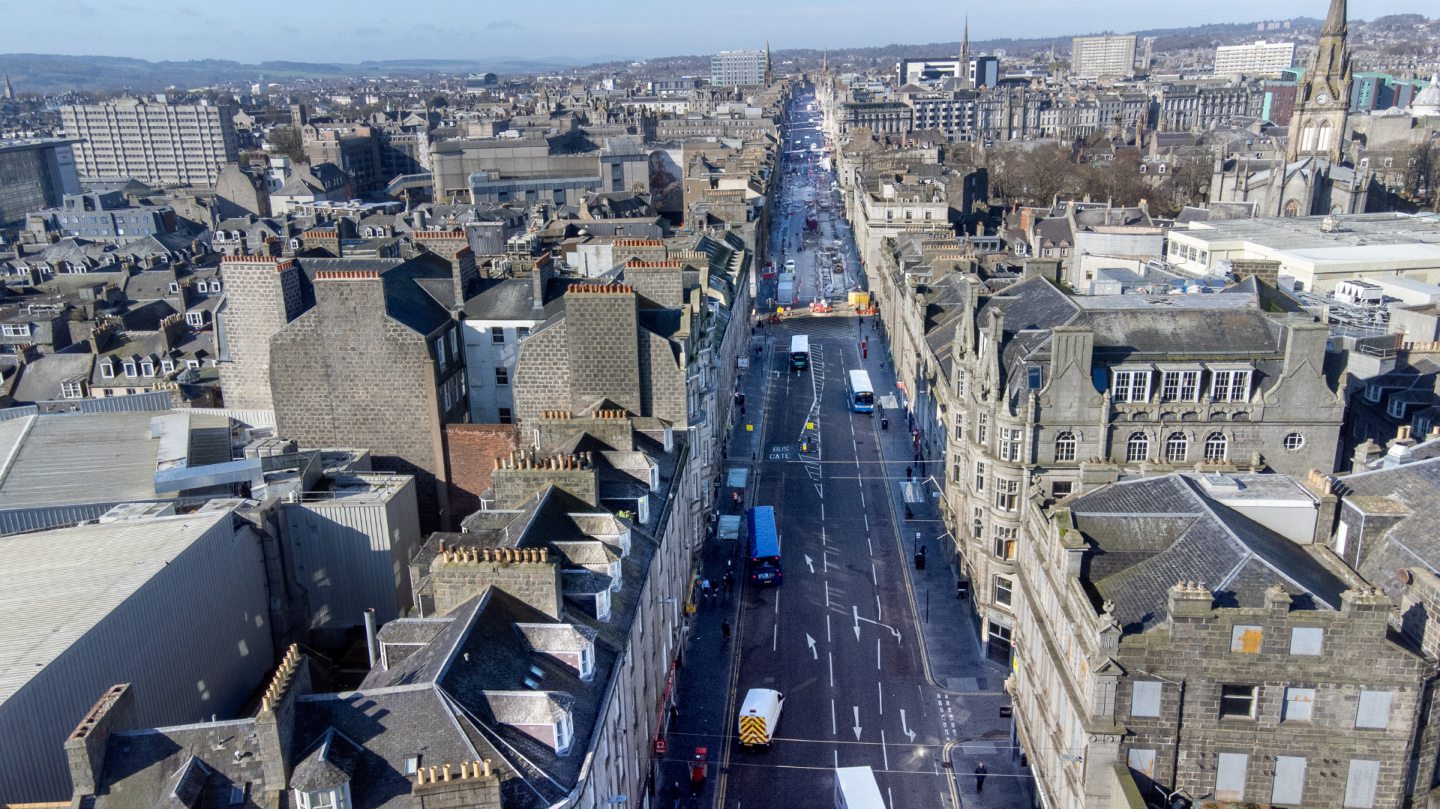
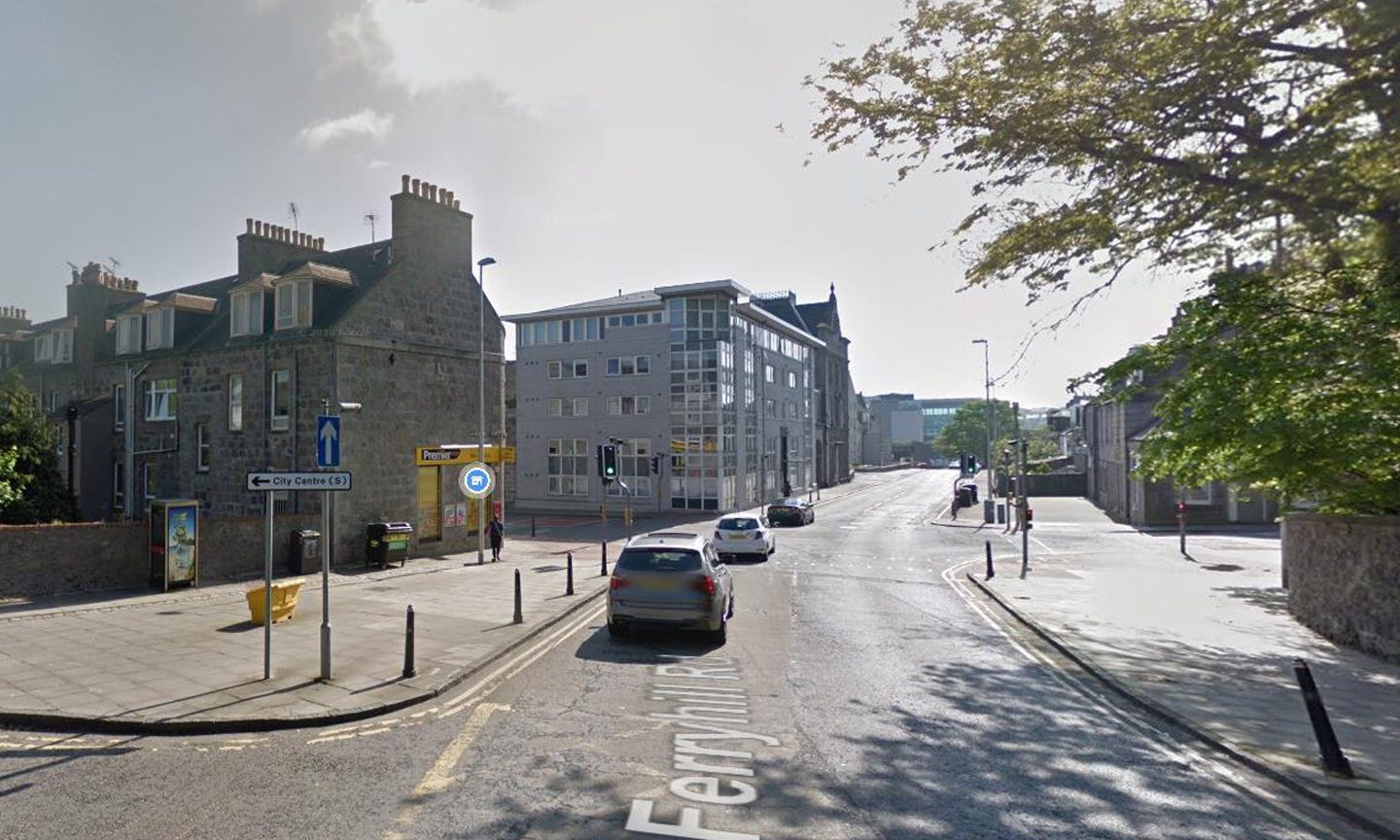
“Union Street used to be crowded every single day,” Catherine Ledingham tells us as she takes a glance at Aberdeen’s dug-up high street.
“All of the shops were open and busy, there were hundreds of people walking up and down, it was just wonderful.
“Now, the city centre is dead.”
We are chatting to Catherine and her mum Kerry just a stone’s throw away from the new market, while the boarded up roadworks on Union Street flank us on the right.
These multimillion-pound projects are hoped to breathe new life into the city’s declining high street, now lined up with scores of empty premises.
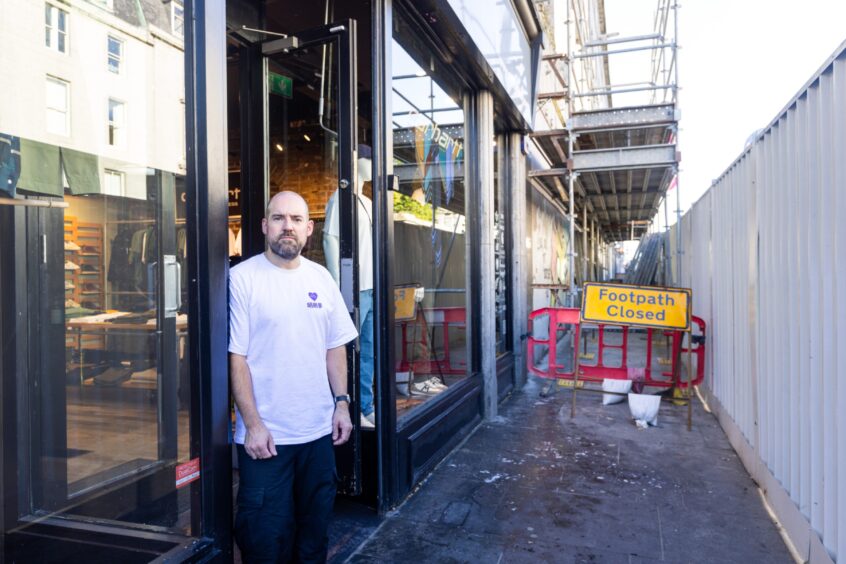
Right across from us is the disused clothes shop Dizzy’s and a few steps up is the vacant site of Attic – both a stark reminder of the challenges businesses have been facing.
The P&J ran a survey last month to see what readers care most about ahead of the upcoming Holyrood elections.
Strikingly, respondents from Aberdeen named the health of the city centre as their number one priority.
More than 90% said empty shops were their biggest concern, while many bemoaned the general state of the centre – and a lack of retail variety.
So as candidates polish their manifestos, we hit the streets to hear first-hand what voters’ biggest concerns are – and what the government can do to reverse the decline.
‘There is no incentive to come to Aberdeen city centre’
Further up Union Street, we meet Sandra and Robert Adams, who have lived in Aberdeen all their lives.
The couple have both witnessed the change in the high street over the years, and admit they now rarely venture into the city centre from their home in Bridge of Don.
“The decline is dreadful. It’s really unbelievable,” Sandra says.
“We want shops that we can go in and browse around – and Union Street is definitely missing this now.
“There is no incentive to come at all.”
Born and bred Aberdonians Margaret and Ally Small say they are both sad to see so many empty shops line up Union Street.
“The city centre is just a big disappointment now,” Ally sighs.
“All the good shops are away… It’s just a shame.”
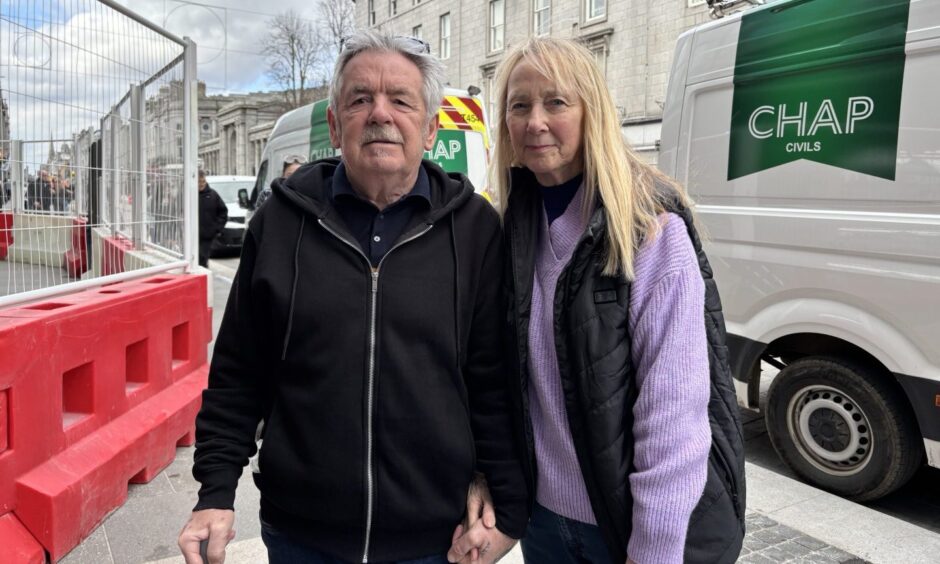
Their thoughts are later echoed by Rosalin Farquhar, who describes the state of the city centre as a “mess”.
She reminisces about times gone by when she was young and would come to the city centre with her parents for a big Saturday shopping spree.
“You could come into town at 9am and leave at 5pm, and still not been round all the shops,” she reflects.
“There’s just nowhere to shop now. It really is horrendous.
“Especially when you go down to Perth and Dundee and see all the work that’s been done down there. It’s lovely down there to go shopping, but here – it’s not.”
“It makes you feel sad because Aberdeen used to be a beautiful city.”
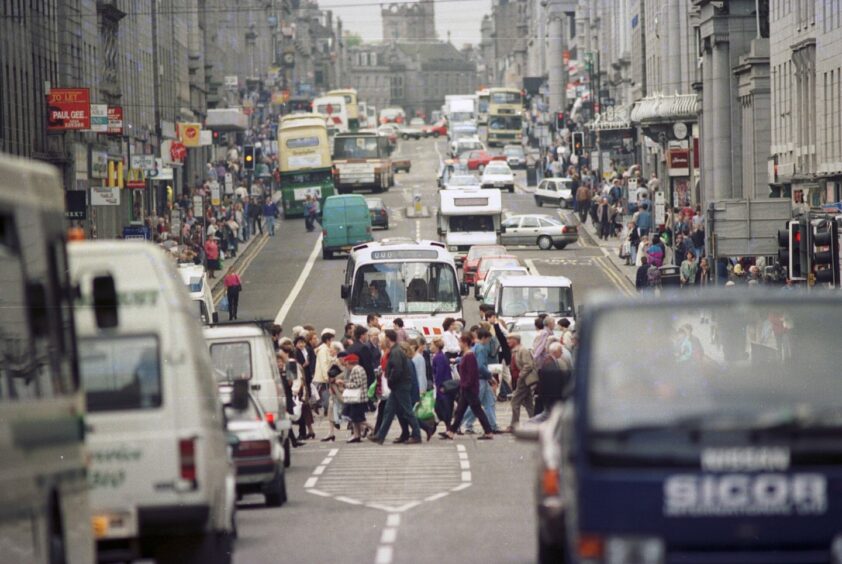
Why people no longer shop in Aberdeen city centre
For Graeme Duncan, “the downfall of Union Street is clear”.
He thinks tone of the reasons behind that is the loss of popular retailers such as John Lewis and Debenhams who used to attract scores of customers into the city centre.
This is further exacerbated by more people opting to buy everything they need online, rather than hit the streets to browse the shop windows.
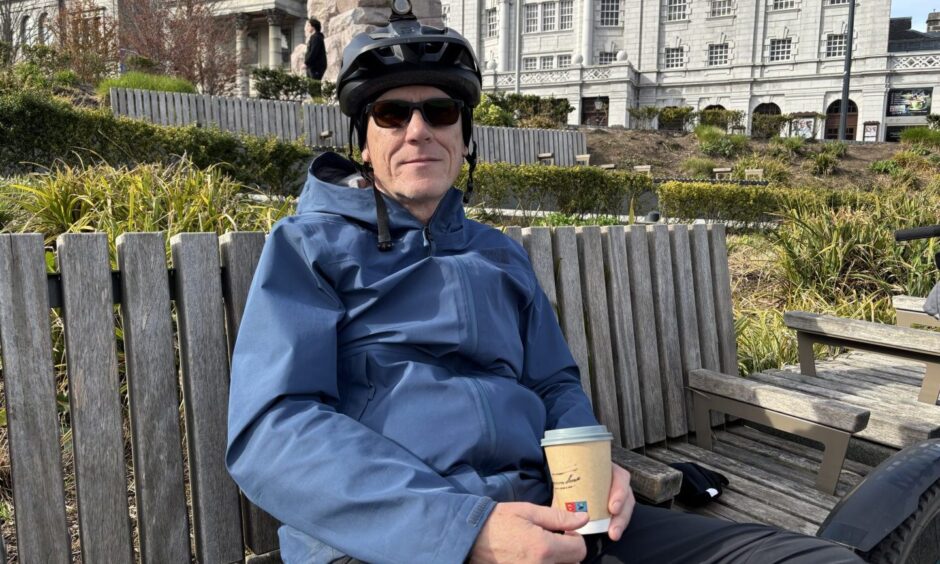
Graeme continues: “There’s definitely a decline in Union Street at the moment.
“The thing is, as time goes by, and I’m guilty of it as well, the way people shop changes.
“I do a lot of my shopping online. It’s terrible, I know, but it’s so easy.
“However, all that being said, I would like to come in and have a wander around town occasionally, but there’s not a great deal to see.”
What are the possible solutions – and how can the government help?
Last week, we spoke to Haigs’ owner James Haig, who closed down his city centre butchers two years ago and is now trading from his mobile shops.
He told us that one of the straws to break the camel’s back was the thousands of pounds he had to pay in business rates each year.

And while he said he would like to come back to the high street, this just wouldn’t be sustainable unless the taxes are slashed.
Our Union Street boss Bob Keiller says this is one of the problems attracting traders into the city centre, with more people now opting to use mobile outlets as it’s cheaper.
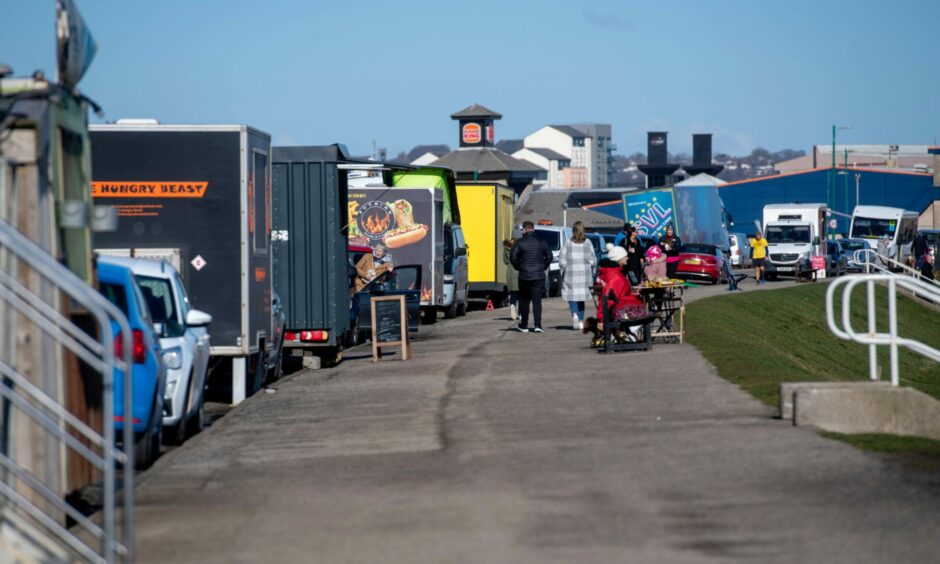
“We see this with the beach trucks as well,” he tells us.
“If you buy or rent a cafe, you pay rates. But if you have a van, you don’t. This is why many are now using mobile outlets.
“So the system itself is working to generate unexpected incentives and disincentives.
“And it’s time we went back and said, is there a better way?”
How lower business rates can help attract traders into city centre
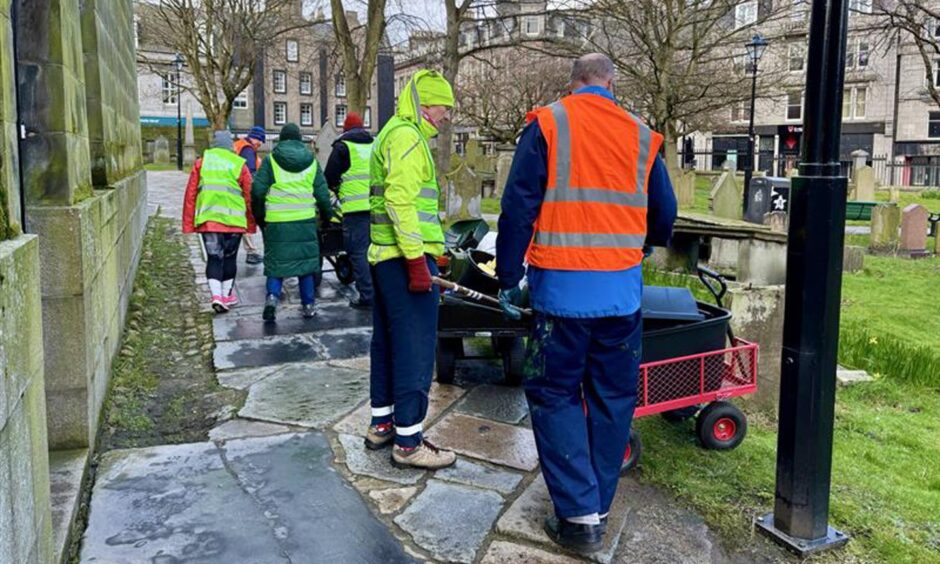
For the last three years, he and his team have been working on ways to fill the empty units on Union Street, offering various incentives to aspiring business owners.
This is on top of coming up with creative ways to increase footfall and sprucing up vacant shops to make the premises more alluring to potential takers.
Since the launch of the group, they have managed to bring 40 units back into use.
However, another 20 have emptied throughout that time.
“We need to keep going at a rate where we’re filling faster than they’re closing so we can reach a level where the empty shops are not dominant,” Bob explains.
And he reckons better business rates on properties could help further with that.
He adds: “Making business viable now is tougher than ever because of all the cost increases – whether it’s in minimum wage, national insurance contribution, etc.
“We have seen unit owners offering much more attractive rents than they have in the past, which is encouraging.
“That way the cost of having a unit on Union Street is no longer dominated by rent, but by your business plan and your ability to generate a surplus.
“And rates falls into that.
“So what we would be looking for a new government is to look again at the whole system to see whether or not there is a better way of raising that tax.”

Can new government make building owners look after their properties?
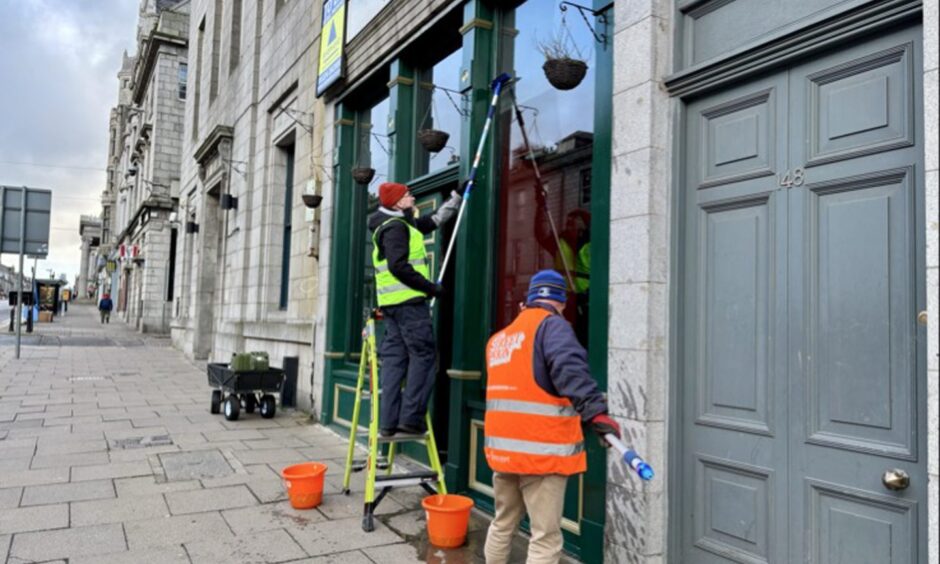
Our Union Street has taken it upon themselves to refurbish some of the empty units on the high street in hope of attracting more takers.
And so far, there have had great success with this.
But Bob thinks this whole hefty process could be avoided if owners take care of their properties and don’t leave them falling into decay in the first place.
And he would love to see the government introduce a new policy to enforce that.
“All you’re doing is you’re turning a moral obligation into a fiscal obligation,” Bob says.
“Not just to keep buildings safe, which is currently a requirement, but to keep them in good condition and looking as though they’re part of the street.
“It doesn’t cost a lot of money to do that if you do it regularly.
“My view would be that if you allow your property to decay, you should be paying higher rates, for instance.
“It would be great if a political party took that on.”
[Source: Press and Journal]