





/file/attachments/orphans/Nonku-Nombasa-Mapisa3_550805.jpg)





























A leader chosen for the revolution
George Washington takes command of the continental army
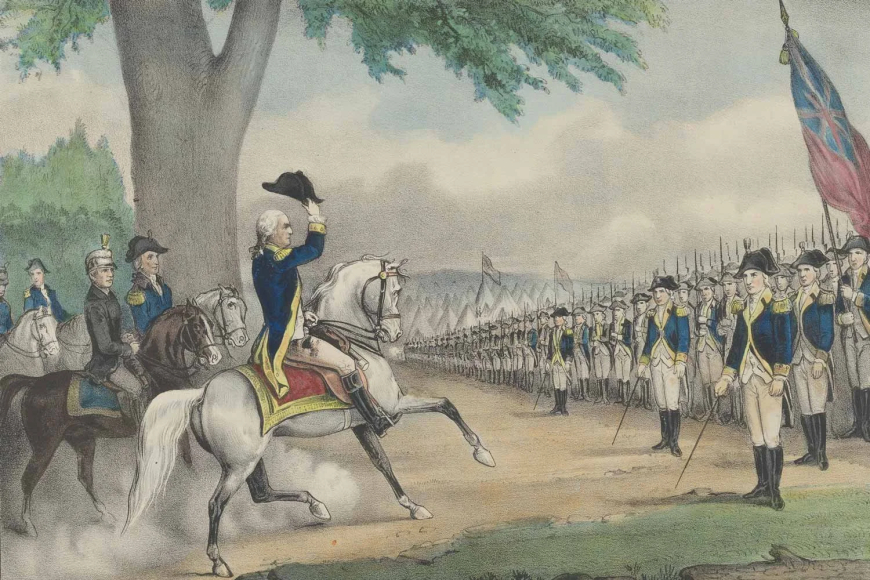
The Continental Congress unanimously appointed George Washington as the supreme commander of the newly formed Continental Army this week. This historic decision provides the colonial forces with an experienced leader during a period of escalating tension with Great Britain. Representatives from the colonies believe his military background will unite the provinces and strengthen their resistance against British rule.
Delegates debated various candidates for many days before they reached a final agreement on the Virginian military veteran. Washington previously demonstrated his exceptional leadership skills and bravery during the French and Indian War a decade ago. His strategic insight and powerful presence made him the obvious choice to lead the regular forces in this conflict.
The political leaders created the army to protect their territories and establish a unified front against foreign oppression. The congressmen realized that a disorganized militia could not withstand the professional soldiers of the British crown for long. They established this new military structure to bring discipline and central authority to the ongoing colonial defense efforts.
Washington accepted the momentous responsibility with a profound sense of humility and dedication to the American liberty cause. He refused to take any salary for his service and requested only reimbursement for his actual expenses later. This generous gesture immediately earned him great respect from both the political delegates and the common citizens alike.
The new commander-in-chief will depart for Massachusetts immediately to take control of the troops surrounding Boston. Local forces have kept the British army trapped inside the city since the violent battles at Lexington and Concord. Washington must transform these raw volunteers into a disciplined fighting force capable of enduring a prolonged military campaign.
This appointment marks a significant turning point because it binds the thirteen separate colonies into a single cooperative alliance. Observers note that choosing a southern leader helps secure essential support from the wealthy and influential plantation colonies. The entire continent now stands united under one military authority as the war for independence begins in earnest.
[Source: Americana Corner]








/file/attachments/orphans/ED_543155_209242.jpg)
