


/file/attachments/orphans/RC2EHLAVWW1L_103363.jpg)








/file/attachments/orphans/iStock-802203090_325419.jpg)















Labour nationalises British Steel
Ministers seized operational control of company last April from its Chinese owners

British Steel has been brought into public ownership.
The Government said this was necessary “to protect the future of steel production in the UK”.
Ministers seized operational control of British Steel in April 2025 from Jingye, its Chinese owner, to stop the furnaces from being shut and to protect 2,700 jobs at the plant and thousands of related jobs in the supply chain.
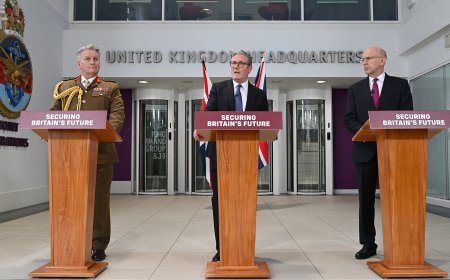
“Today’s decision secures the future of steel making in the UK, protects skilled jobs and safeguards a vital national capability,” Sir Keir Starmer said.
However, Andrew Griffith, the shadow business secretary, accused Labour of “channelling 1970s nationalisation vibes”.
He said: “You can’t fix steel without ditching Labour’s ruinously high energy costs.
“A blank cheque from the taxpayer isn’t the answer.”
On Wednesday, Parliament passed a bill that allowed ministers to take control of the plant in the public interest.
Despite losing operational control in 2025, Jingye had retained formal ownership of British Steel, meaning the Government has been legally unable to sell all or part of British Steel, or make decisions about its strategy.
The Chinese company has been seeking compensation of up to £1bn for the loss of the steel facility. It rejected an offer of £100m in February.
The Beijing-based business said last month it had triggered a formal process to recover money it claims to have invested in the Scunthorpe Steelworks before its operations were seized by the Government.
The Government seized control of the management of British Steel in 2025 amid fears that Jingye was planning on walking away from the Scunthorpe steelworks.
The site is seen as crucial national infrastructure, despite years of decline for the British steel industry. It is home to Britain’s last two operating blast furnaces and produces 95pc of the steel used on UK rail tracks.
Jingye had previously said the business was losing £700,000 a day amid soaring energy costs. However, ministers have said that it could limit or refuse compensation.
The Government had previously stopped short of a full nationalisation and had sought a commercial buyer to take control of the plant.
The National Audit Office said in March that the Scunthorpe Steelworks was costing the Government about £1.3m a day.
In an interview with Sky News on Thursday, Peter Kyle, the Business Secretary, said it would not necessarily get cheaper to produce steel.
“Can it become more profitable and can we have more productive means of producing steel? Then I believe yes,” he added.
“If this plant were to close, if British Steel were to disappear, we would become dependent on global suppliers ... Yes, it is an extensive investment, but just think about the alternative.”
A history of failure
The Scunthorpe plant has had a difficult history, with a number of failed attempts in the past to turn it into a profitable business.
Greybull Capital, a British private equity group, bought the business from Tata Steel in 2016 for £1, only for it to collapse into administration in 2019.
Jingye took over the plant in March 2020 by buying British Steel from the UK’s official receiver for about £50m.
The Chinese business had promised to spend £1.2bn upgrading the plant’s blast furnaces with net-zero-friendly technology.
However, the British site had struggled to compete with the flood of cheap steel coming from China.
[Source: Daily Telegraph]