















/file/attachments/orphans/iStock-802203090_325419.jpg)













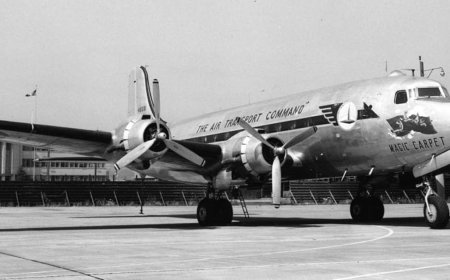

The birth of aviation giant Boeing
A new era in flight begins as William Boeing incorporates Pacific Aero Products in Seattle
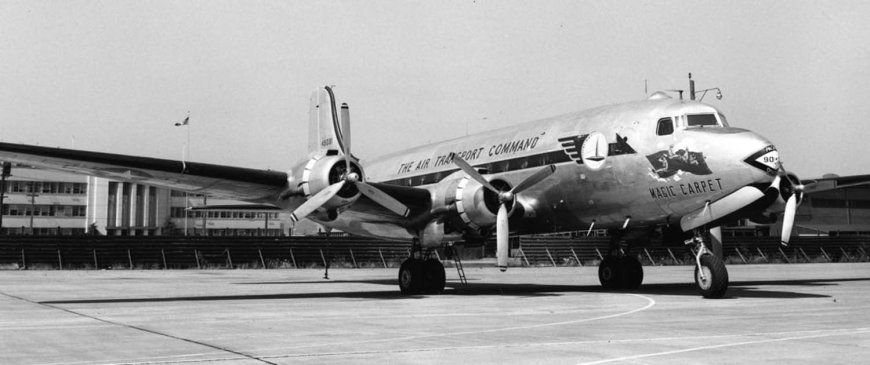
William Boeing officially established Pacific Aero Products Company on July 15 1916 in the bustling city of Seattle Washington. This historic milestone marked the formal beginning of an enterprise that would eventually transform the global aviation industry forever. The pioneering founder launched his venture in a lakeside shipyard with a bold vision of constructing reliable wooden biplanes.
This ambitious entrepreneur initially collaborated with George Conrad Westervelt to design their very first twin-float seaplane called the B and W. Shortly after creating this successful prototype William Boeing decided to register the company formally under state laws that summer. He recognized the immense potential of aerial transit and wanted to secure a strong foundation for future manufacturing.
Local residents watched the young business quickly expand its operations along Lake Union during those early months of production. The energetic workforce focused on assembling lightweight timber frames and stretching durable canvas fabric over the wings of aircraft. These dedicated craftsmen laid the groundwork for advanced engineering techniques that would soon define the entire aerospace sector.
The innovative creator chose to rename the business as the Boeing Airplane Company only one year after its incorporation. This strategic branding decision aligned the corporate identity directly with the personal reputation of its highly motivated founding leader. The factory soon secured lucrative mail delivery contracts which provided steady financial support for more complex design projects.
This crucial transition from custom workshop to industrial manufacturer allowed the enterprise to survive turbulent economic shifts after world war one. The organization adapted to peacetime demands by manufacturing furniture and speedboats when the market for military planes temporarily declined. This resourceful flexibility demonstrated the resilience of the staff and kept the young enterprise afloat during challenging times.
Today historians recognize this humble Pacific Northwest startup as the direct predecessor to a massive multinational technology conglomerate. The original wooden workshop eventually evolved into a pioneer of commercial jetliners and sophisticated defense systems across the globe. Everyone remembers the quiet afternoon in July when a single visionary decided to turn his dreams into physical reality.
[Source: The Economic Times]