














/file/attachments/orphans/iStock-802203090_325419.jpg)
















Egypt expands military footprint in the Horn of Africa to pressure landlocked Ethiopia
Cairo secures key maritime alliances in Eritrea, Somalia, and Djibouti to block Ethiopian sea access
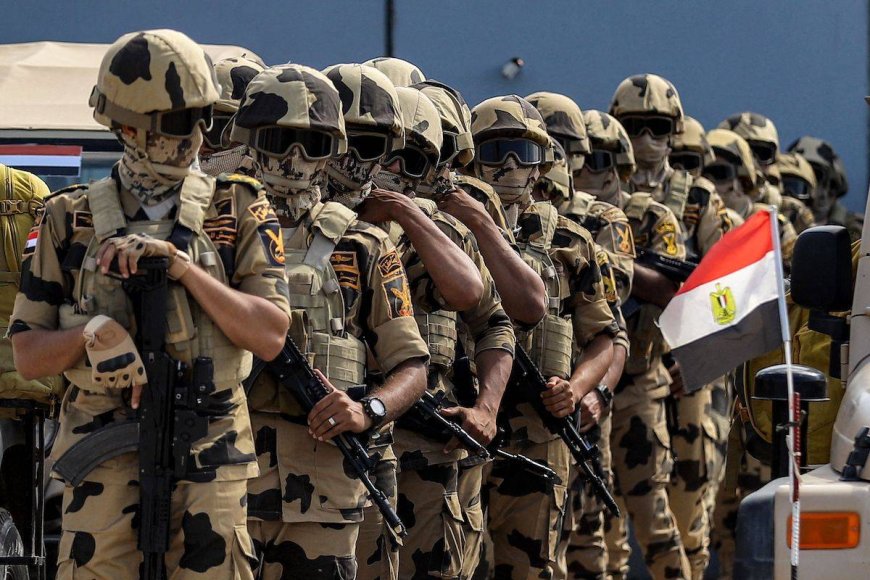
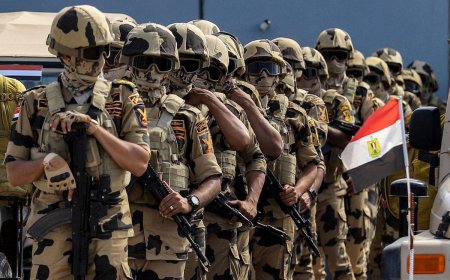
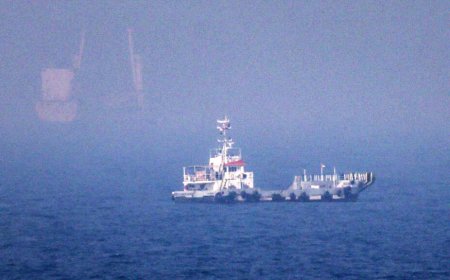
Egypt recently established a massive military and diplomatic footprint across key maritime hubs to counter neighboring landlocked Ethiopia's ambitious goals. Specifically, Cairo secured vital strategic partnerships with several coastal nations including Eritrea, Somalia, and Djibouti to choke off external access. Consequently, this regional containment strategy prevents the landlocked Ethiopian government from successfully obtaining direct and sovereign routes to the sea.
Furthermore, Egyptian leaders actively coordinate with regional partners because they want to protect their historic control over local trade waterways. Indeed, Cairo currently regards the vast Red Sea as an essential economic extension of its own highly critical Suez Canal. Therefore, any unilateral maritime expansion by Ethiopia directly threatens Egyptian economic leverage and critical historic national security interests in Africa.
Recently, Egyptian military officials finalized massive defense agreements and security pacts with Somalia to establish a strong local ground presence. Additionally, Egypt sent advanced weapons and numerous troops to Mogadishu, which effectively blocks Ethiopian influence along the entire Somali coast. Simultaneously, Cairo completed major harbor development deals with Eritrea to limit any potential maritime opportunities for the landlocked Addis Ababa.
Meanwhile, Djibouti also granted key logistical concessions and strategic harbor rights to Egypt, completing the entire diplomatic encirclement of Ethiopia. Consequently, these coordinated bilateral agreements establish a powerful maritime barrier that restricts landlocked countries from securing any independent regional ports. Unsurprisingly, Ethiopian diplomats strongly condemn this expanding maritime coalition, describing the cooperative effort as an unjust, aggressive, and hostile siege.
Furthermore, local political experts worry that these escalating military deployments might spark a devastating, uncontrollable regional war in East Africa. Specifically, the long unresolved dispute over the Blue Nile water rights already fuels deep hostility between Cairo and Addis Ababa. Therefore, this new confrontation on the Red Sea coast adds dangerous complexity to an already very highly volatile political atmosphere.
Subsequently, international observers call on the United Nations and other major global powers to mediate this highly dangerous territorial standoff. Indeed, African Union representatives actively seek diplomatic solutions to prevent any potential outbreak of violence in the entire fragile region. Ultimately, local citizens strongly hope for a peaceful compromise that preserves trade and guarantees long term stability for all nations.
[Source: Al Majalla]