






















Kurdistan Region reduces, Turkey cuts off electricity supply to Iraq

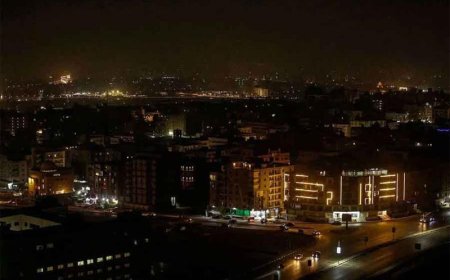
ERBIL, Kurdistan Region - Iraq grapples with severe power shortage as the Kurdistan Region has reduced electricity supply by 700 megawatts and neighboring Turkey completely cut it off leaving Baghdad scrambling to address the staggering crisis.
"In the past, we used to receive 1,800 megawatts of electricity form the Kurdistan Region, but with the expansion of the Runaki Project, the amount has been reduced to 1,100 megawatts," said Ahmed Musa, spokesperson of Iraq's electricity ministry.
The KRG has recently advanced efforts to reform and stabilize the energy sector. A key initiative is the Runaki project - meaning “light” in Kurdish - which aims to provide uninterrupted, 24-hour electricity.
Nearly four million residents of the Kurdistan Region - more than 50 percent of the Region’s population - have access to the round-the-clock power, the Kurdish government announced last week, with Halabja province fully enjoying the service.
Musa said Turkey has cut off its power supply to Iraq since last week over Baghdad's failure to pay Ankara.
"Turkey used to supply Iraq with 600 megawatts of electricity, but they cut it off over payments," he explained.
In early June, Baghdad and Ankara signed an agreement to double electricity imports from Turkey - from 300 to 600 megawatts.
Given the latest changes, Iraq now generates up to 25,500 megawatts of electricity, the electricity ministry spokesperson said, adding they need nearly 54,000 to provide 24-hour power.
Baghdad was left scrambling to diversify its energy sources after Washington in March rescinded a waiver that had allowed it to purchase electricity from neighboring Iran, which it had depended on for years.
Following the waiver expiry, Iraqi Prime Minister Mohammed Shia’ al-Sudani held meetings with energy officials to explore alternatives, including utilizing natural gas and importing electricity from Jordan, Turkey, and Turkmenistan.
Iraq suffers from chronic electricity shortages, especially when demand rises along with summer temperatures that reach scorching levels of over 50 degrees Celsius.
Iraq is also exploring renewable options. In late March, the electricity ministry announced that it is close to inking agreements with two Emirati and Saudi-based companies to build solar panels.
[Source: Rûdaw English]