





























Lollipop ladies have kept children safe since 1937. Now their future is at risk
As Reform-led Durham council swings the axe, those in the role say authorities do so at their peril

Mary Hunt became the nation’s first lollipop lady in 1937, and for almost 90 years since then they’ve been a fixture outside our schools. But council cutbacks are threatening to wipe out what was once an institution for Britain’s pupils.
In Durham, one of the nine councils now led by the Reform Party, a series of belt-tightening measures have been proposed to plug a £26m shortfall – including not filling open vacancies for lollipop men and women.
This estimated £80,000 saving is clearly appealing to a party that promised to cut council spending, what the party has called waste, but those in the road safety job say councils underestimate the role at their peril.
If Reform wants to scrap school crossing guards, who earn about £500 a month, that risks a “child’s safety and possibly their life. I think that amount of money is a small price to pay,” argues Matt Crossman, a Cambridgeshire lollipop man of six years’ standing.
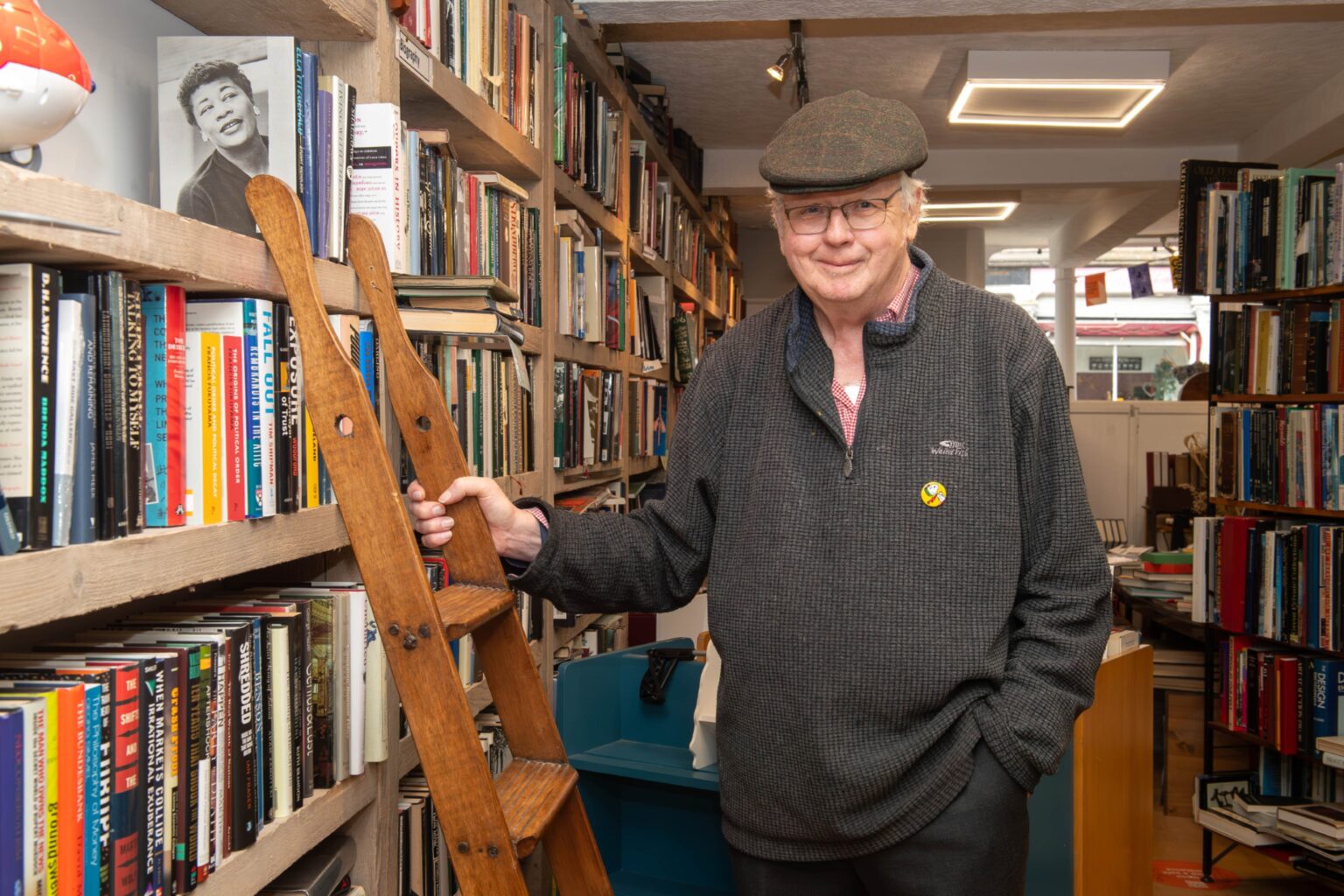
Crossman, 57, took on the job after the former lollipop lady retired at a primary school in St Neots, Cambridgeshire, a borough where patrols are still fully funded. “I do it because the lady before us helped my son to cross the road for years, and many, many other children. When she said she was stepping down, it seemed a shame there would be no one there to do it,” he says. “It’s not just about the crossings; it’s about the community.”
With an hourly rate of £12.65 (the UK national minimum wage is £12.21), Crossman works for about 40 minutes before school opening and from 3pm to 4pm, when the gates close. His wife works remotely for a US firm; he does not do his role for the income, he says, but to be a constant in the lives of local schoolchildren.
“I like to think that it puts them in a good frame of mind first thing in the morning to go into school, rather than being miserable.”
By the time Crossman, then a stay-at-home husband, took up his new role in 2019, school crossing guard numbers had dropped by about 30pc compared with 2010, per figures from the GMB Union. In 1953, the School Crossing Patrol Act handed local authorities the power to appoint lollipop ladies, but councils are under no legal obligation to provide the service.
As such, the role has repeatedly become a victim of cutbacks, including in Croydon, south London, where the last lollipop patrols will take place at the end of this year. In Bristol and Lewisham, there are also threats to their existence.
There were about 5,000 school crossing guards in the UK in 2018 – a figure likely to have fallen yet further, given recent cuts. Yet each month, more than 400 children – the equivalent of an entire primary school in some areas – are injured on their way to or from school, according to Solve The School Run, a parent campaign group.
“People don’t really understand that this is more than just a piece of furniture or a way of managing crossing safely; it’s much more than that,” says Claire Bonham, a Liberal Democrat councillor in Croydon, who has criticised the cuts. “But I think that’s quite hard to see until you get rid of them.”
The potential fallout as these roles are dissolved is a serious concern, she adds. “There’ll be more accidents. It’s also going to make people less cautious, I think, about road safety. And it’s going to make parents feel more afraid to let their children walk to school on their own, which is developing those key independent skills that you need to learn as a child.”
In response, Jason Perry, the executive mayor of Croydon, says that “the council commissioned independent audits at every affected school and acted on the recommendations, from improving signage to extending markings and working with schools and families on safe routes. There is no evidence that accidents will increase as a result of this change.”
Meanwhile, in Durham, an inability to fill vacant posts has meant “it is not viable to retain them”, according to Dave Lewin, Durham county council’s strategic traffic manager. “Removing them will also release funding that can be used elsewhere. These posts have been vacant for a prolonged period of time without incident.”
‘Nerves of steel’
For the lollipop people still in post, the role remains dangerous. “When I first started, I was nervous every single day; the responsibility can be quite daunting sometimes,” Crossman says. Last week, four cars failed to stop; during his six-year tenure he has been hit (typically by wing mirrors) six times.
“A nine-year-old asked me the other day: ‘Do you ever get scared?’ I said: ‘Yeah, I do. I do get scared, because I’m standing in the middle of the road.’” Drivers approaching at speed while on their phones or fiddling with the car radio are an all-too-common issue, he adds.
Heather James has seen her share of these, too. The 67-year-old retired as a lollipop lady last December after 45 years serving schools in Somerset – a role she says required “nerves of steel”.
On one occasion, she saw a little boy get hit by a car; she shouted for him to stop, “but it was too late. He went in front of the car, hit the bonnet, went up in the sky, [and did] a somersault.” Her heart, she said, came “up in my throat. It’s very difficult, and you’ve just got to keep reminding yourself that you’re doing the job. I couldn’t intervene; I couldn’t put my stick down, go and run. I had to stay on the road.”
Despite the risks and the all-weather conditions, “I didn’t do it for the money,” James says of a job that earned her around £150 per week (which, by her admission, was “not a great wage”). “If they wanted volunteers to do it, I would have stepped in straight away.”
Her commitment felt rewarded at a farewell assembly last year, where she was presented with awards and flowers, and the school parents appealed to her not to leave. Given the length of service she and many others commit to the role, retirement has perhaps inevitably left her wistful. “I do miss it now,” she reflects. “I miss the children and what goes with the job. If I had my time all over again, that’s what I’d go back to.”
Durham appears to be leading a troubling charge, Crossman believes. “If they take this role away, people are going to get injured and maybe killed,” he says. “There’s no doubt about that in my mind at all.”
[Source: Daily Telegraph]