




/file/attachments/2996/04ED_610405_518242.jpg)




























Gulf states sustain economic momentum amid regional tensions
Investment expansion and global positioning drive continued growth across key economies
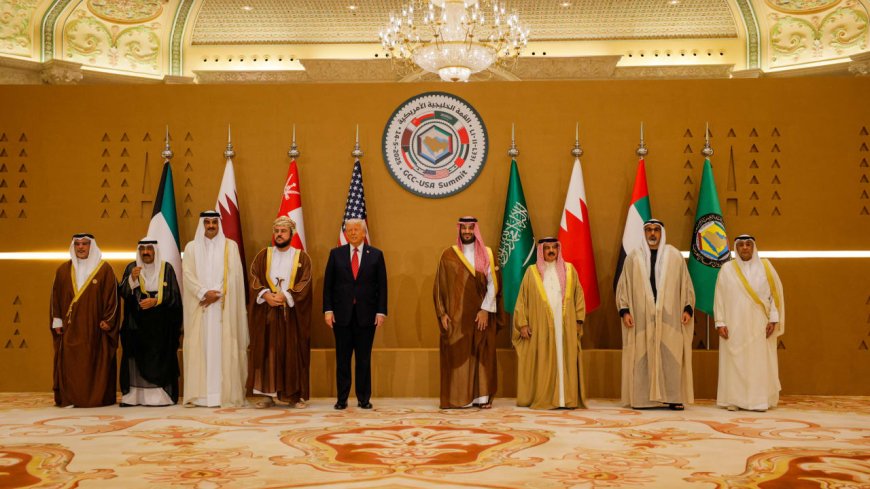
Gulf states continue demonstrating strong economic activity as governments push investment projects infrastructure expansion and diversification strategies across multiple sectors. Countries including United Arab Emirates and Saudi Arabia are leading efforts to transform their economies beyond traditional hydrocarbon dependence. These initiatives highlight long term visions focused on innovation logistics tourism and finance as central pillars of sustained national development strategies.
The United Arab Emirates accelerates major projects in renewable energy transport infrastructure and digital transformation to reinforce its role as global business hub. Meanwhile Saudi Arabia advances its ambitious national programs by investing heavily in megaprojects urban development and industrial diversification across strategic sectors. Both countries actively attract foreign investment by offering regulatory reforms competitive incentives and improved business environments designed to support international partnerships.
At the same time Gulf governments balance economic expansion with ongoing security concerns linked to regional instability and geopolitical competition affecting strategic planning. Authorities maintain defense readiness and strengthen alliances while ensuring that economic growth initiatives continue without disruption from external risks or tensions. This dual approach allows policymakers to pursue development goals while safeguarding critical infrastructure energy facilities and trade routes essential for stability.
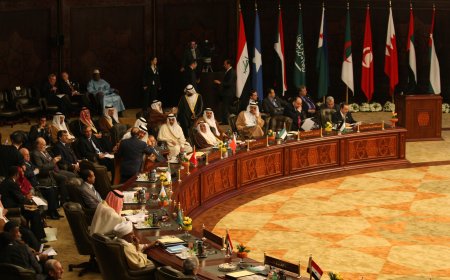
Moreover Gulf economies increasingly integrate into global markets through trade agreements financial connectivity and participation in international economic forums shaping global economic trends. Investments in ports aviation networks and logistics corridors further enhance connectivity linking Asia Europe and Africa through strategically located Gulf hubs. As a result the region strengthens its position as indispensable node within global supply chains and international commerce networks.
However challenges remain as fluctuations in energy markets global economic uncertainty and regional conflicts continue influencing fiscal planning and long term growth prospects. Governments respond by accelerating diversification efforts expanding non oil revenues and promoting sectors such as technology tourism and advanced manufacturing industries. These measures aim to reduce vulnerability while ensuring sustainable economic performance in an increasingly competitive and unpredictable global environment.
Looking ahead Gulf states are expected to maintain strong economic momentum by continuing reforms fostering innovation and deepening international economic engagement across sectors. Consequently the region will likely remain a dynamic center of investment and growth despite persistent geopolitical risks and evolving security challenges. Overall Gulf economies demonstrate resilience adaptability and ambition as they navigate complex regional dynamics while pursuing transformative development agendas.
[Source: The Jerusalem Post]