




/file/attachments/2996/04ED_610405_518242.jpg)

























North Africa balances stability and strategic ambition
Regional powers expand energy diplomacy and security cooperation amid controlled competition
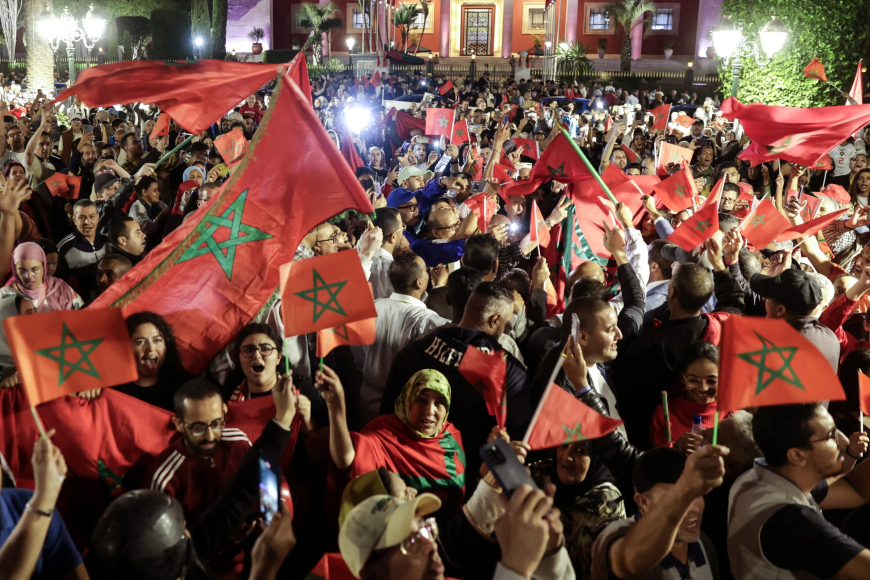
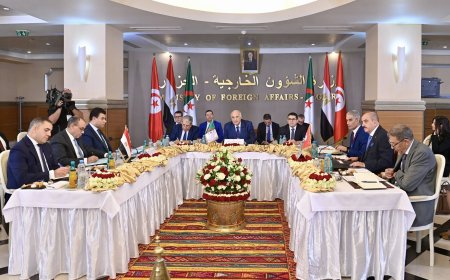
North Africa is experiencing a period of relative stability while governments actively pursue security cooperation energy expansion and diplomatic influence. Morocco continues promoting its regional model by strengthening partnerships across Africa Europe and the Middle East through coordinated security initiatives. Rabat emphasizes intelligence sharing counterterrorism training and migration management as central pillars supporting its broader diplomatic outreach and strategic positioning.
Algeria focuses on expanding hydrocarbon exports while leveraging its energy resources to strengthen geopolitical influence across Europe and neighboring regions. Algiers prioritizes term contracts infrastructure investments and strategic partnerships ensuring revenue streams while reinforcing its position within global energy markets. At the same time authorities balance domestic economic pressures with external ambitions shaping a pragmatic yet assertive foreign policy approach.
Libya facing divisions as rival administrations compete for legitimacy control over resources and influence within fragmented political and economic systems. Despite challenges negotiations and intermittent ceasefires demonstrate attempts by local actors to stabilize governance structures and revive essential state institutions. Economic competition oil revenues remains a key driver of tension influencing alliances political bargaining and prospects for term national reconciliation.
Across the region governments coordinate policies recognizing shared security threats economic opportunities and importance of maintaining stability amid global uncertainty. Energy diplomacy plays a role as North African producers engage international partners seeking investment technology transfers and reliable export routes. At the same time diplomatic engagement extends beyond energy encompassing security cooperation migration management and regional conflict mediation efforts ongoing.
Morocco and Algeria despite longstanding rivalry both pursue proactive foreign policies aiming to expand influence while carefully avoiding direct confrontation. This cautious approach contributes to regional stability even as competition persists in diplomatic arenas energy markets and broader geopolitical alignments. Libya remains the most fragile case where unresolved political disputes continue shaping economic conditions and limiting comprehensive national recovery efforts.
Looking regional actors expected to deepen cooperation in security and energy while navigating complex international relationships and evolving global dynamics. Consequently North Africa will remain strategically significant as states balance internal priorities with external ambitions in an increasingly interconnected world. Overall region presents a picture combining stability competition and opportunity reflecting its growing importance within global political and economic landscapes.
[Source: The Africa Report]