







/file/attachments/2996/04ED_610405_518242.jpg)































Napoleon becomes emperor of France on may 1804
a turning point for napoleon bonaparte and european power politics
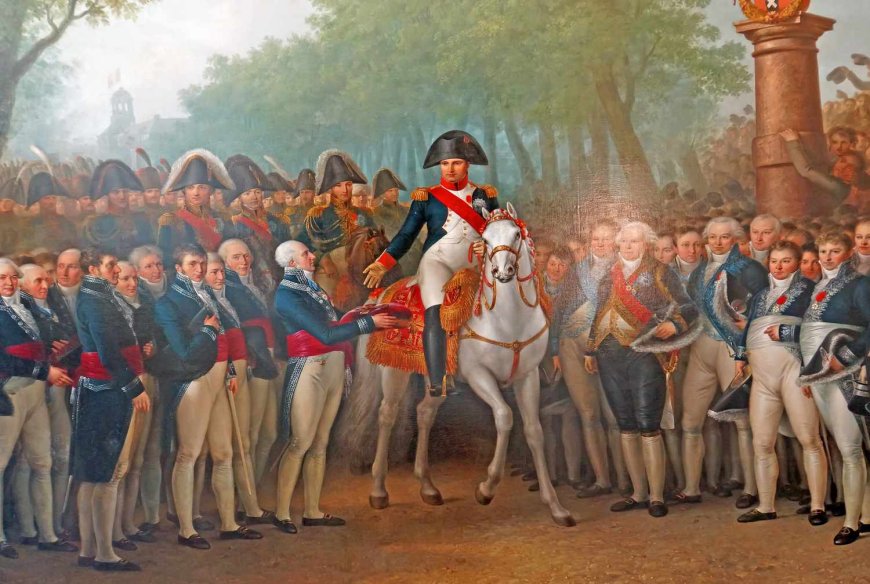
On May 18, 1804, Napoleon Bonaparte was proclaimed Emperor of the French by the Senate, marking change historic. This decision transformed France from a revolutionary republic into a centralized empire, fundamentally altering political authority and governance structures across the nation.
As a result, power consolidated under one leader, while revolutionary ideals gradually gave way to imperial ambition and strategic dominance abroad. Soon afterward, Napoleon moved quickly to legitimize his authority through ceremony, symbolism, and institutional reforms that reinforced his control over France. He crowned himself in a grand event, demonstrating independence from traditional religious authority while projecting confidence and political strength to observers everywhere.
Consequently, this act sent a clear signal that France had entered a new era defined by strong leadership and centralized governance. Meanwhile, European monarchies reacted with concern, as Napoleon’s rise threatened established dynasties and disrupted the fragile balance of power across the continent. Neighboring states began reassessing alliances, preparing for potential conflict as France’s expanding influence created uncertainty and heightened geopolitical tensions regionally. Therefore, the proclamation accelerated diplomatic friction, pushing Europe closer toward prolonged confrontation and widespread military engagements in the coming years.
At the same time, Napoleon introduced reforms that reshaped legal systems, administration, and education, strengthening the state while promoting efficiency and national unity. These changes improved governance but also reinforced authoritarian rule, limiting political freedoms while ensuring loyalty to the emperor and his expanding regime. Thus, France experienced both modernization and restriction, reflecting the complex legacy of Napoleon’s leadership during this transformative historical period.
In addition, the empire pursued territorial expansion, seeking dominance across Europe through military campaigns that aimed to secure influence and strategic advantage. Napoleon’s armies achieved significant victories, yet resistance persisted, leading to cycles of conflict that drained resources and tested national endurance over time. As a result, the Napoleonic Wars emerged, reshaping borders, alliances, and political systems across Europe for years to come.
Ultimately, the Senate’s proclamation marked a decisive shift in French history, ending revolutionary governance while establishing a powerful imperial system under Napoleon. This transformation influenced global politics, inspiring both admiration and opposition as nations responded to France’s new direction and assertive foreign policy. In conclusion, Napoleon’s rise as emperor redefined leadership, power, and ambition, leaving a lasting imprint on European history and international relations.
[Source: History.com]