







/file/attachments/2996/04ED_610405_518242.jpg)































India conducts first nuclear test
smiling buddha marks india entry into nuclear powers
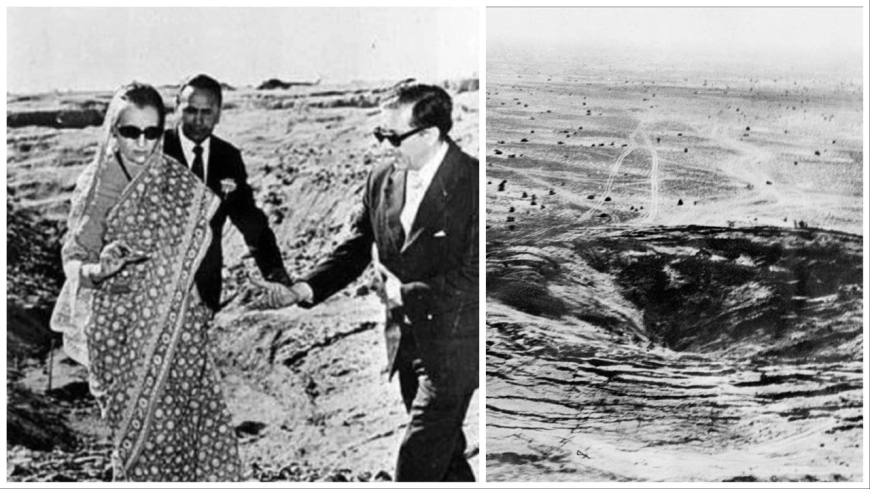
In nineteen seventy four, India conducted its first nuclear test, known as the Smiling Buddha nuclear test, in the Rajasthan desert region. This decisive action positioned India as the sixth country possessing nuclear capabilities, signaling a major strategic shift in global power structures. As a result, the test demonstrated technological advancement while simultaneously raising concerns among neighboring countries and the broader international community about regional stability.
Soon afterward, Indian leadership framed the test as a peaceful nuclear explosion, emphasizing scientific progress and national development goals. However, many global observers questioned these claims, interpreting the move as a clear step toward military nuclear capability and strategic deterrence. Consequently, debates intensified regarding nuclear proliferation, as policymakers worldwide reassessed security strategies in response to India’s emerging capabilities.
Meanwhile, regional dynamics changed significantly, particularly affecting relations between India and Pakistan, which viewed the development as a direct security challenge requiring immediate attention. Pakistan responded by accelerating its own nuclear ambitions, aiming to balance power and deter potential threats from its larger neighbor effectively. Therefore, the test contributed to a long-term rivalry characterized by mutual suspicion, military preparedness, and eventual nuclearization on both sides of the border.
At the same time, global powers reacted cautiously, with some countries imposing restrictions and calling for stronger international controls on nuclear technology transfers. These responses reflected growing fears that additional states might pursue nuclear weapons, potentially undermining global nonproliferation efforts and increasing risks of conflict escalation. Thus, India’s nuclear test became a turning point, influencing international policy discussions and shaping future agreements aimed at limiting nuclear weapons development worldwide.
Ultimately, the nineteen seventy four test marked a defining moment in modern history, establishing India as a significant strategic actor on the global stage. This transformation influenced both regional security dynamics and broader geopolitical alignments, reshaping how nations approached defense and technological advancement. In conclusion, the Smiling Buddha test left a lasting legacy, continuing to shape nuclear policy, deterrence strategies, and international relations today.
[Source: India Today]







