




/file/attachments/2996/04ED_610405_518242.jpg)






























Gwangju uprising begins in South Korea
protests challenge military rule and shape national identity
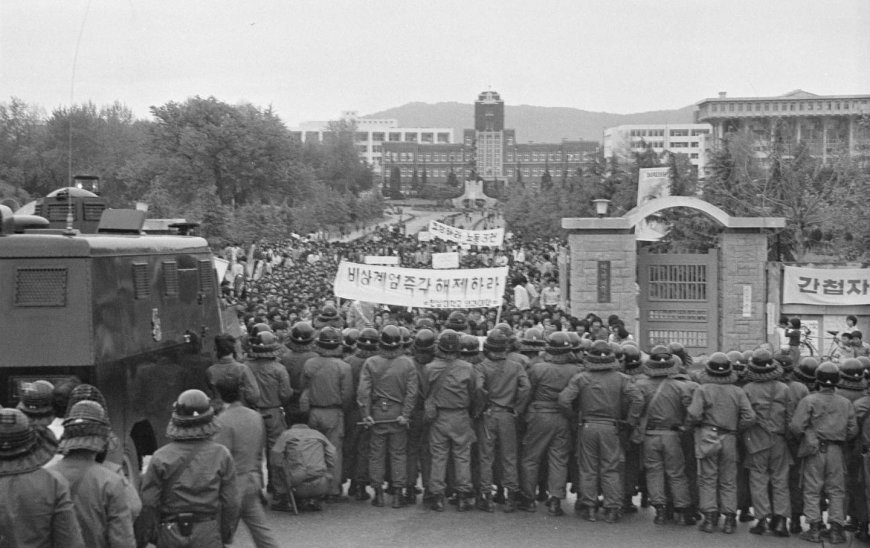
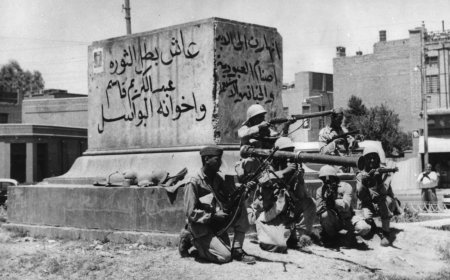
In nineteen eighty, Gwangju Uprising began in the city of Gwangju, as citizens protested against military rule and political repression. These demonstrations quickly expanded, drawing students, workers, and ordinary residents who demanded democratic reforms and greater political freedoms. As a result, the uprising became one of the most significant challenges to authoritarian governance in South Korea during that period.
Soon afterward, authorities responded forcefully, deploying troops to suppress protests and restore control over the increasingly defiant city. Soldiers confronted civilians in the streets, leading to violent clashes that escalated tensions and deepened public outrage across the country. Consequently, the government’s actions intensified resistance, as more citizens joined demonstrations despite growing risks and uncertainty.
Meanwhile, communication restrictions limited information flow, yet reports of the crackdown spread, fueling anger and solidarity among wider segments of society. Protesters organized locally, establishing community support systems while continuing to demand accountability and an end to military dominance. Therefore, the uprising evolved beyond a local protest, symbolizing a broader national struggle for democracy and civil rights.
At the same time, the violence resulted in significant casualties, leaving a lasting emotional and political impact on survivors and the nation as a whole. Families mourned losses while activists documented events, ensuring that the memory of those days would not disappear from public consciousness. Thus, the tragedy strengthened long-term demands for justice, recognition, and political transformation in South Korea.
Ultimately, the events in Gwangju became a defining moment in the country’s democratic journey, influencing future reforms and political movements. Over time, the uprising gained recognition as a symbol of resistance, inspiring generations to defend democratic values and human rights. In conclusion, the Gwangju Uprising continues to shape South Korea’s political identity, reminding society of the cost and importance of freedom.
[Source: The Nation]