



























Iraqi prime minister initiates major security overhaul
The comprehensive reshuffle restructures vital intelligence services and economic leadership positions
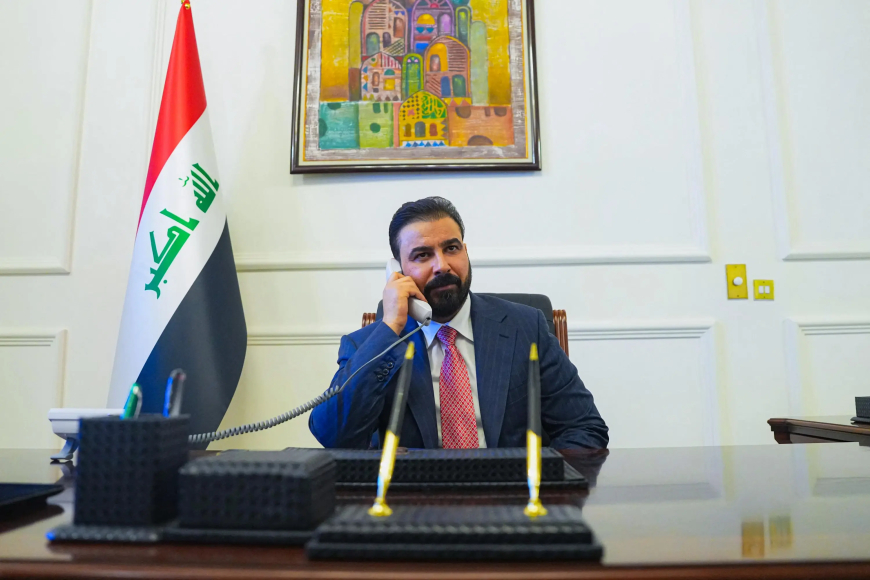
Iraqi Prime Minister Ali al-Zaidi has initiated a massive operational reorganization of the primary domestic intelligence and fiscal institutions. Consequently this unexpected executive decision aims to strengthen national defense capabilities and restore public confidence across the fragile nation. Furthermore the sweeping administrative changes follow growing regional tensions that demand a highly modernized and unified federal command.
Specifically the executive branch officially removed National Security Advisor Qasim al-Araji from his long-held political position this morning. Instead the incoming administration appointed veteran policy expert Qasim al-Aboudi to lead the sensitive defense council immediately. Therefore the new leadership must quickly coordinate intelligence sharing operations to counter persistent threats from extremist groups.
Meanwhile this high-profile replacement follows the recent elevation of Basim al-Bedri to oversee the vital National Security Service. This particular intelligence agency coordinates sensitive domestic counterterrorism operations and actively combats illicit transnational smuggling rings throughout the country. Because the government seeks total institutional reform these rapid appointments establish a completely synchronized defense network.
Simultaneously financial insiders report an impending leadership transition at the highly influential Central Bank of Iraq very soon. The prime minister wants to synchronize monetary policies with his broader economic development plans to stabilize the local currency. Accordingly these sweeping personnel changes indicate a major departure from prior administrative strategies regarding fiscal management.
Predictably political analysts view this intense restructuring as a calculated effort to centralize authority within the executive branch. The government must demonstrate decisive leadership to secure critical foreign investments and maintain essential international partnerships effectively. Thus these strategic appointments will directly shape the long-term stability of the sovereign state moving forward.
Ultimately the successful execution of these sweeping bureaucratic reforms depends heavily upon smooth organizational transitions over the coming weeks. Local citizens express cautious optimism that these new officials can reduce widespread corruption and fortify vulnerable borders. Today Baghdad remains fully focused on implementing these vital structural changes to preserve national sovereignty during turbulent times.
[Source: Rudaw]