



/file/attachments/2996/04ED_610405_518242.jpg)


























Iraq's stolen public funds exceed $2 trillion, legal adviser says
The Iraqi prime minister's legal adviser says corruption trials will be broadcast live
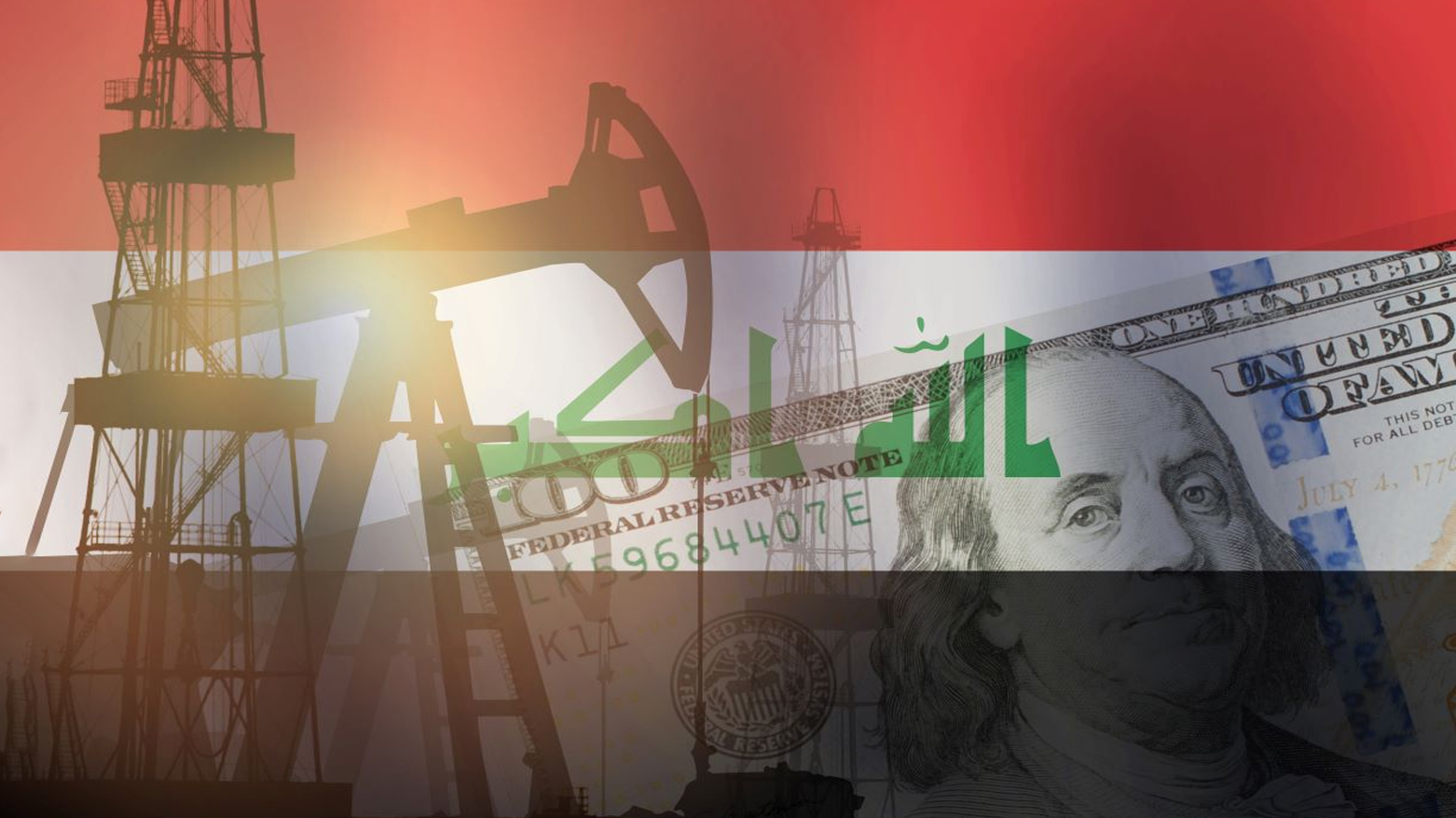
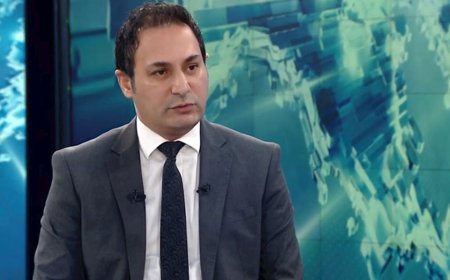
Iraq's legal campaign against corruption has entered a new phase, with the legal adviser to Prime Minister Ali al-Zaidi revealing that the country's looted public funds have exceeded $2 trillion and announcing that forthcoming corruption trials will be conducted publicly through live broadcasts.
Speaking in an interview with Al Arabiya on Wednesday, Judge Munir Haddad described the scale of the missing public funds as "beyond reason and logic," while confirming that authorities intend to hold open trials similar to those conducted for figures of Iraq's former regime.
Haddad said Iraqi security and judicial authorities are carrying out daily "secret and surprise" raids and arrests to prevent suspects from fleeing the country as investigations expand.
He added that the list of individuals facing legal pursuit includes a broad network of current and former senior officials, including deputy ministers and members of parliament.
Munir praised what he described as the high level of coordination between the federal government and the Kurdistan Regional Government throughout the campaign.
According to Haddad, authorities in Erbil cooperated with Baghdad by handing over eight officials accused of corruption after they allegedly attempted to hide in the Kurdistan Region.
Haddad also said Iraq has not faced international pressure to halt the investigations. Instead, he said the country has received firm international backing for efforts to recover misappropriated public funds.
Illustrating the scale of alleged illicit wealth, he cited the case of the wife of one suspect purchasing a single palace valued at $5 million, while claiming that other officials own more than 50 residential properties registered in their names and those of their relatives.
He concluded by saying that Iraqi law would not stop at prosecuting individuals accused of corruption but would also pursue legal accountability for the political blocs and parties that helped appoint and advance those figures to sensitive state positions.
[Source: Kurdistan24 English]