



/file/attachments/2996/04ED_610405_518242.jpg)




















Iranian hardliners cut TV interview with chief peace negotiator
Blackout exposes rifts within Islamic Republic over US deal

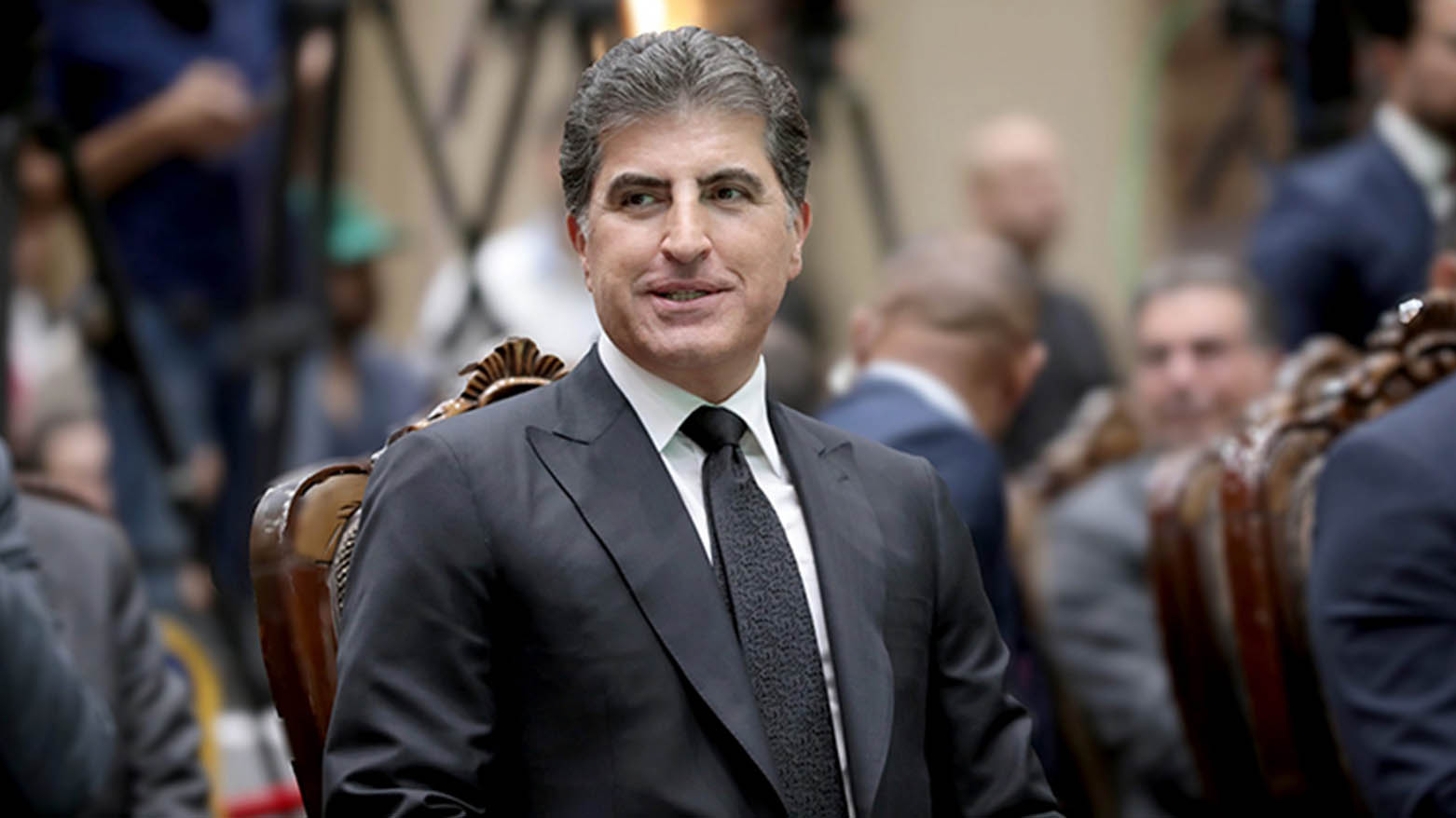
Iranian hardliners abruptly cut off a television interview with the country’s chief peace negotiator as he was defending the deal with the United States.
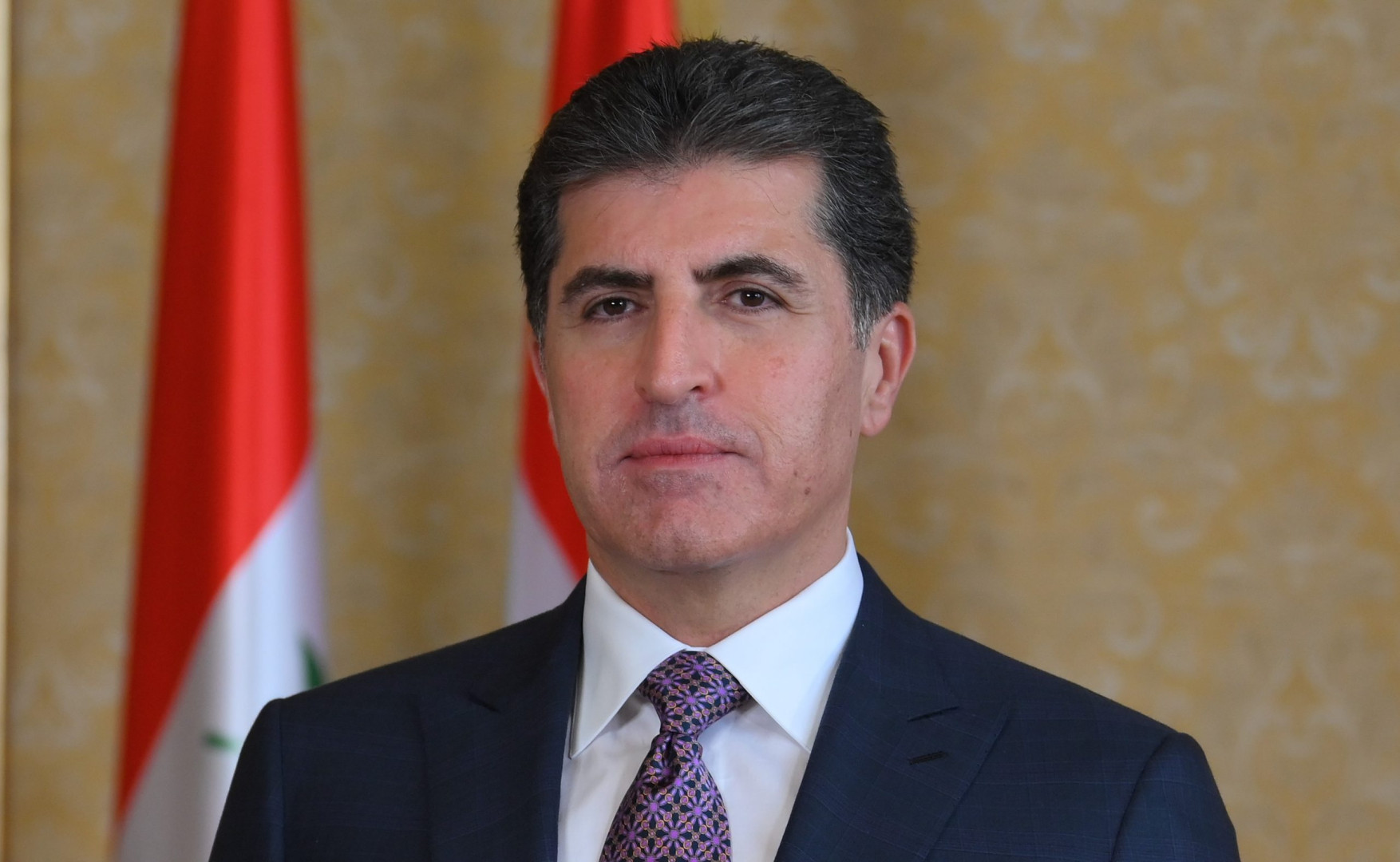
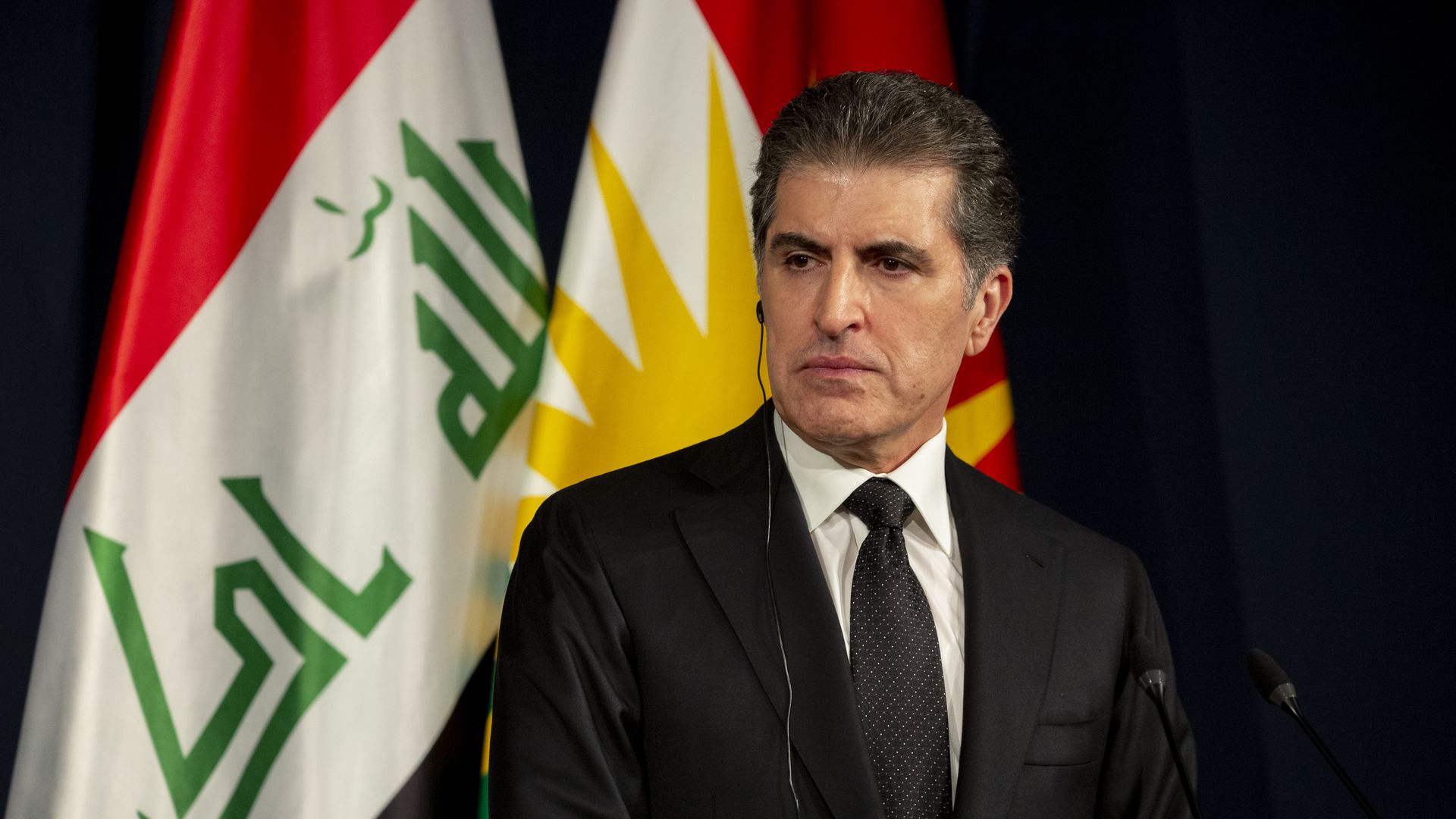
The pre-recorded interview with Mohammad Bagher Ghalibaf stopped midway through its broadcast on the IRINN state TV channel on Tuesday night, prompting a rare public protest from parliament.
Mr Ghalibaf was in the middle of a sentence which started: “The $12bn – yes, they can do it and it is ongoing” when the screen went black and then switched to an old speech by Ali Khamenei, the former supreme leader.
It was seen as an act of censorship that laid bare the widening splitwithin the Islamic Republic’s leadership.
Parliament’s media centre said the recorded interview had been handed to the state broadcaster more than two hours before airtime “in line with the leader’s order to follow up on the Islamabad memorandum”.
The censored sections, it said, covered several politically sensitive issues: Mr Ghalibaf’s response to reports that international inspectors would be allowed to visit Iran’s nuclear facilities, his account of how frozen Iranian assets would be released, details of the agreement’s proposed $300bn (£222bn) fund for post-war reconstruction and his reaction to statements made by Donald Trump.
Most importantly, Mr Ghalibaf was to speak about Ayatollah Mojtaba Khamenei’s message about the deal.
That message – in which Khamenei remarked that “in principle I had a different opinion” but nonetheless authorised the agreement – has since become a political flashpoint. Hardliners have seized upon it as proof that the supreme leader was opposed to the negotiations his own government pursued and ultimately proceeded with his approval.
The Telegraph revealed on Wednesday that the statement, and the phrase “in principle”, have triggered intense internal disputes within the Islamic Republic over its interpretations.
The television blackout has drawn attention to who controls the airwaves.
Vahid Jalili, deputy chief at Iran’s state broadcaster, is the brother of Saeed Jalili, a former negotiator aligned with the Paydari Front, Iran’s most uncompromising conservative bloc, which opposes talks with the country that killed the former supreme leader.
Saeed Jalili was the only member of the supreme national security council to vote against the deal.
For the Paydari Front and its allies, resistance to the US is not a negotiating posture but the ideological core of the revolution.
Some also fear that a successful deal would hand the pragmatists and president Masoud Pezeshkian’s government an economic and political victory, sidelining their hardline camp.
‘Document of America’s defeat’
In the TV clips that did air and footage later leaked online, Mr Ghalibaf pushed back against domestic critics.
Commenting on Iran’s frozen funds of $24bn, he said half of it was to be placed at the central bank’s disposal to buy “any goods it needs, at any price, in any currency” – a process, he said, that was under way through letters of credit.
“This is the power of the Islamic Republic. Enjoy it. Be proud. Stand by it,” he said.
“I swear to God this is the document of America’s defeat,” he added, raising the deal in front of the camera.
Mr Ghalibaf appealed to critics not to let political grievances with him undermine the national interest.
“Those who accept the word of the sinful Trump should for once listen to their religious brother,” he said.
Others criticised Mr Ghalibaf from the opposite direction.
Mohammad Ali Abtahi, a former vice-president and prominent reformist figure, argued that the negotiators were yielding to a vocal hardline minority while overlooking the broader public, which he said wanted the deal to succeed.
He said the daily lives of ordinary Iranians – including investment, production, employment and even basic family decisions – had been left effectively “suspended”, while “the hardliners with the platforms at their disposal, have found a voice louder than their real weight in society”.
The turmoil comes as the Islamic Republic prepares for the delayed funeral of Khamenei. Starting on Saturday, the authorities hope the six-day, multi-city memorial will project unity even as they fight over the deal.
[Source: Daily Telegraph]