





/file/dailymaverick/wp-content/uploads/2025/04/Krill_school_1_credit-Aker-Qrill.jpg)




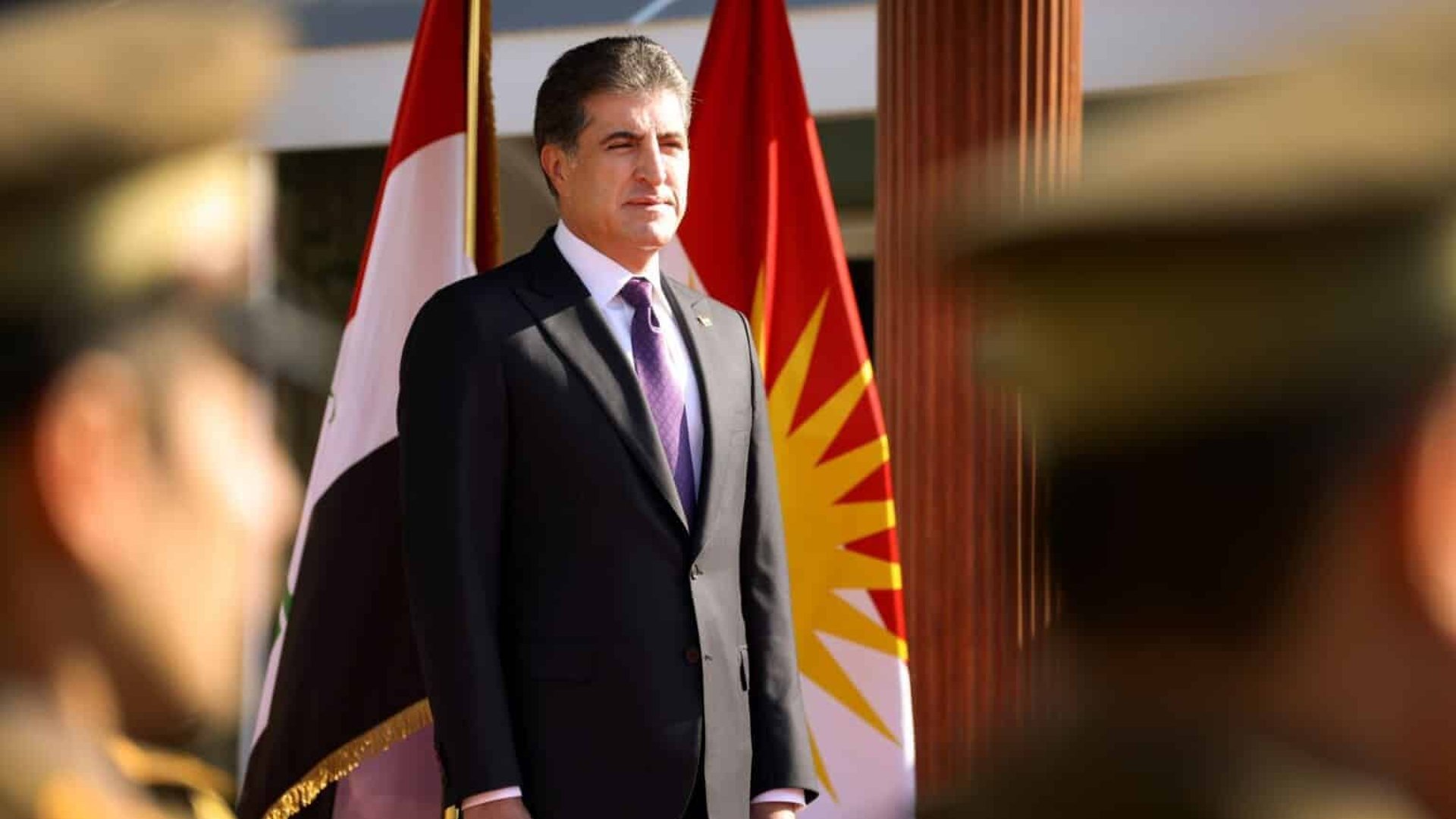
























Starmer never had a popular mandate. That’s why the blandest of politicians became so hated
For many of the large majority who didn’t vote for him, Sir Keir looked like a leader wielding power he wasn’t entitled to

Watching Keir Starmer’s first post-resignation interview over the weekend, I was reminded of one of the great puzzles of his premiership: how did a man so utterly bland come to be so hated, despised to the point that football crowds chant his name in obscene contempt?
Just in case you didn’t bother with Starmer’s 20-minute session with the BBC, it was every bit as banal and bloodless as you’d expect. Perhaps the outgoing prime minister has hidden depths of emotion, deep wells of passion concealed beneath his cautious shell. If so, they will remain hidden forever. Watching him plod through a defence of his record and explain his decision to resign (it was “deeply personal”, would you believe?) was a reminder that Starmer painted even the most dramatic events in shades of beige.
It’s generally a myth that politicians are boring. They’re fascinating specimens, flawed and driven by inner fires the rest of us are lucky enough to lack. I’ve had direct dealings with every prime minister of the last two decades and can honestly say that talking to all them – even Theresa May – was genuinely interesting and thought-provoking. But I once sat next to Keir Starmer at a (wine-free) dinner and an hour later couldn’t recall a single thing he’d said. I know actuaries who are better company.
Managerial, bland, drab – what’s to hate? Yet hated he was, and for reasons that Andy Burnham would do well to understand.
According to Ipsos Mori, Starmer recorded the four worst (dis)approval scores of any PM in modern times, his -66 per cent rating in autumn 2025 beating far more colourful politicians by a comfortable margin. In football stadiums, it wasn’t unusual to hear the crowd singing “Keir Starmer is a w----r” – and worse.
Was some of that down to the Starmer persona? While I found him inoffensive to the point of amnesia, some people might take exception to his Pooterish earnestness, reminded perhaps of the claims handlers who reject insurance payments on procedural grounds, or a traffic warden who pounces at a minute past the hour.
The way a politician behaves certainly has a bearing on whether they are liked. Many at Westminster still intone the curious mantra that Starmer is “a decent man”, yet generally struggle to offer evidence for his decency beyond a propensity to look slightly pained at bad news.
By contrast, consider his absolute insistence in his early weeks in office that there was nothing wrong with him taking free suits, free accommodation and free football tickets from wealthy benefactors. At least Boris Johnson had the grace to look a bit sheepish when he was caught out. Starmer’s priggish sense of righteousness should remind politicians everywhere that sometimes you just need to put your hands up and say “Sorry, I got that one wrong.”
That was never Starmer’s approach though. When things went wrong, he blamed others, often those who worked in his office. Most culpably, he gave a speech warning that immigration could make Britain an “island of strangers”, then responded to Labour criticism by blaming his speechwriters for not knowing that the phrase echoed Enoch Powell. For Starmer, the buck stopped with someone else.
Such details can’t explain public loathing, of course; how many people chanting in the stadiums follow such Westminster arcana? Perhaps, instead, Starmer was just the victim of a change in the political climate, our collective slide into a coarser, angrier national conversation?
There are many reasons Britain is becoming angrier and nastier towards politicians. Two decades of stagnant real wages, rising taxes and patchy public services do not make for a happy population. Social media echo chambers amplify rage and create an incentive for media outlets to drink from the well of anger. The result is a grim norm of personalised abuse and threats towards politicians; MPs of all parties routinely experience hostility and aggression that should shame and worry the entire country.
Can Burnham buck that trend with his cheery charm and slick social media game? He looks better equipped than Starmer to thrive in the age of online anger, but there are some worrying signs. His preference for avoiding proper questioning by proper journalists makes sense while he’s PM-in-waiting, but if it continues once he’s in No 10, he risks looking distant and evasive. He should keep doing the cute online videos, but also show that he’s accountable via the feral beasts of the traditional media too.
The final cause for the loathing of Keir Starmer is the one that Burnham must study most carefully. It’s in the numbers. It’s not often enough pointed out that Starmer became prime minister after Labour got just 33.7 per cent of votes cast. That was the lowest share any government with a majority ever. Yet because that vote was so neatly distributed, it gave Labour a huge majority.
In strict constitutional terms, a government’s vote share doesn’t matter. All that counts is winning Commons votes. But in political reality, the strength of your mandate does depend in part on how much of the country backs you. Labour in 2024 got 9.7 million votes, just 20.1 per cent of the 48 million eligible voters. That’s the weakest mandate in post-war history, yet it produced the second biggest majority.
For comparison, all three Thatcher governments won more than 30 per cent of the total electorate; Lady Thatcher attracted her fair share of bile, but her legitimacy far exceeded Starmer’s. Even May’s doomed 2017 Tory government won 13.6 million votes, 29.4 per cent of eligible voters. When David Cameron scraped just 23.5 per cent of the electorate in 2010, he had to rely on the Lib Dems to sustain his claim to govern.
It is the mismatch between Labour’s 2024 vote and its Commons majority that doomed Starmer to hatred: for many of the large majority who didn’t vote for him, he looked like a leader wielding power he wasn’t entitled to. In an age when everyone has a voice and a say, simply by tapping a screen, that sense of overreach could only lead to fury.
Andy Burnham has some good and bold ideas, but as a football fan he should never forget why people sang in hatred of Starmer. Labour’s power is great but its mandate is perilously narrow. The next PM must tread carefully, or his name will echo from the stands next.
[Source: James Kirkup Comment - Daily Telegraph]