




















National security leadership demands strict adherence to domestic laws during high-level meetings with international envoys
Libya defends borders against migrant resettlement
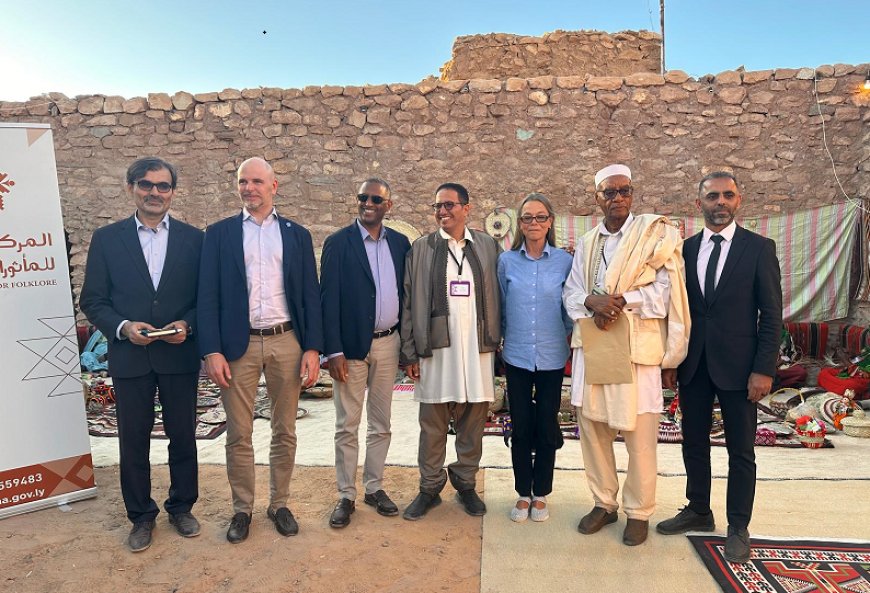
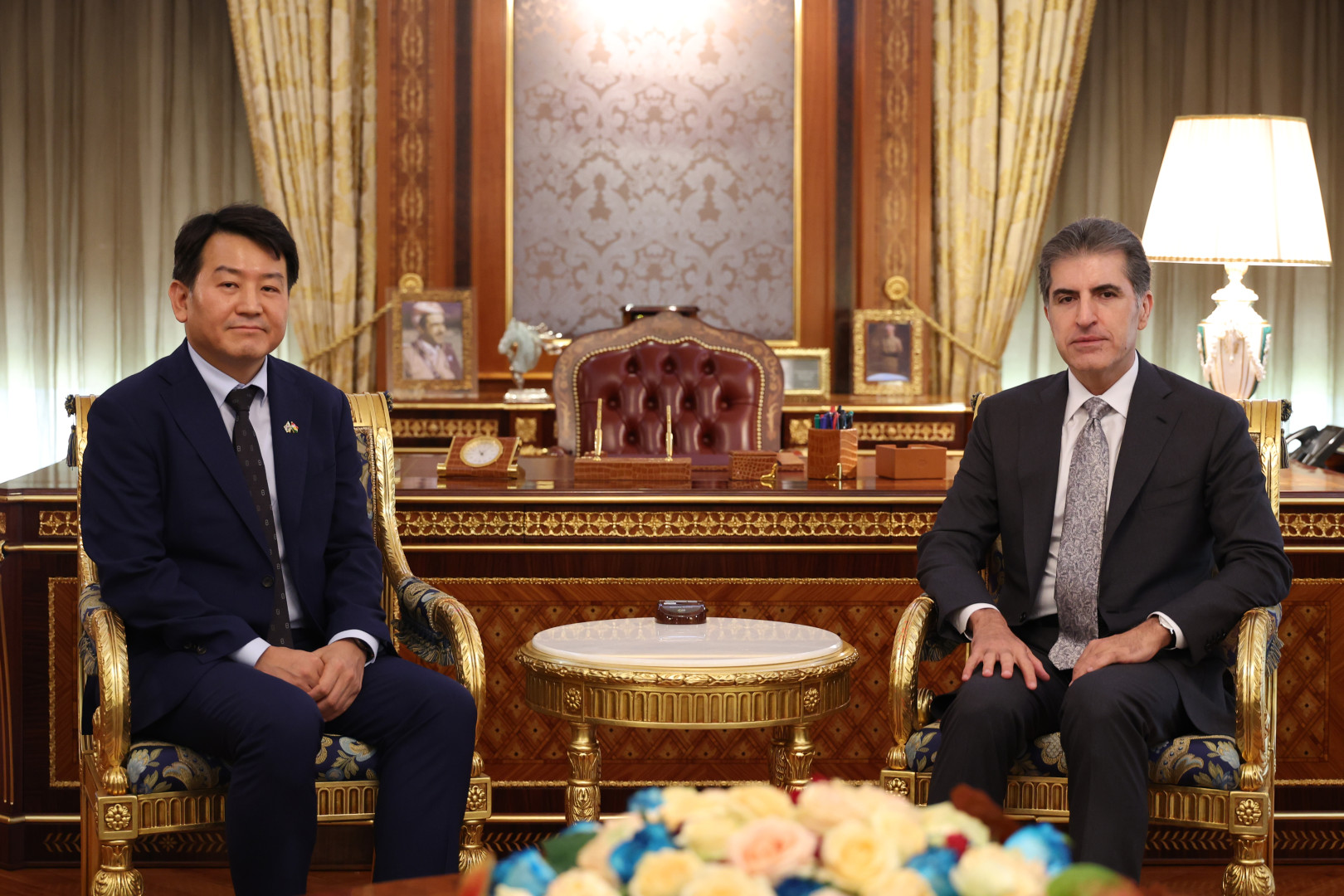
Libyan National Security Advisor Gen Abdelrazek Al-Nadhouri met with United Nations Deputy Special Representative Ulrika Richardson in Benghazi. The high-level meeting focused entirely on the contentious issue of international migrant management and regional border security control. This critical conversation highlights the growing tension between domestic sovereignty and global humanitarian initiatives within North Africa.
During the discussion Al-Nadhouri issued a firm categorical rejection of any international attempts to permanently settle refugees. The military commander insisted that foreign organizations must strictly respect national laws and current domestic legal frameworks instead. He emphasized that the country will not become an alternative homeland for displaced persons fleeing from neighboring territories.
Conversely Richardson denied that the global organization has any secret plans to bypass sovereign Libyan authority or laws. The diplomat assured local officials that international agencies operate solely to provide essential humanitarian relief to vulnerable populations. Therefore the United Nations remains fully committed to collaborating transparently with established domestic institutions across the country.
Political analysts observe that the migrant crisis remains a highly sensitive topic for the fractured domestic leadership groups. The nation serves as a primary transit hub for thousands of individuals attempting to reach European shores weekly. Consequently the local government faces immense pressure from both European partners and domestic factions regarding border control.
The firm stance by the national security advisor reflects a broader regional desire to assert complete legal autonomy. Many local authorities fear that long-term refugee camps could destabilize the fragile economic and political equilibrium of the country. Thus the administration continues to demand greater international cooperation that aligns precisely with national strategic security interests.
Meanwhile humanitarian organizations report that thousands of migrants face extremely difficult living conditions inside various local detention centers. The global community frequently urges the local leadership to improve safety standards and protect basic human rights universally. Nevertheless the state maintains that national security priorities must override external pressures from foreign political entities.
The bilateral talks in Benghazi concluded with a mutual agreement to continue open dialogues regarding these complex issues. Both delegations recognize that finding a sustainable solution requires balancing humanitarian obligations with strict respect for national sovereignty. Ultimately the future of international aid operations in the region depends on maintaining this delicate diplomatic balance.
[Source: Libya update]