

















Greenland takes historic step toward independence with landmark self-government agreement
The island expands local authority over internal affairs while maintaining core security ties with Denmark
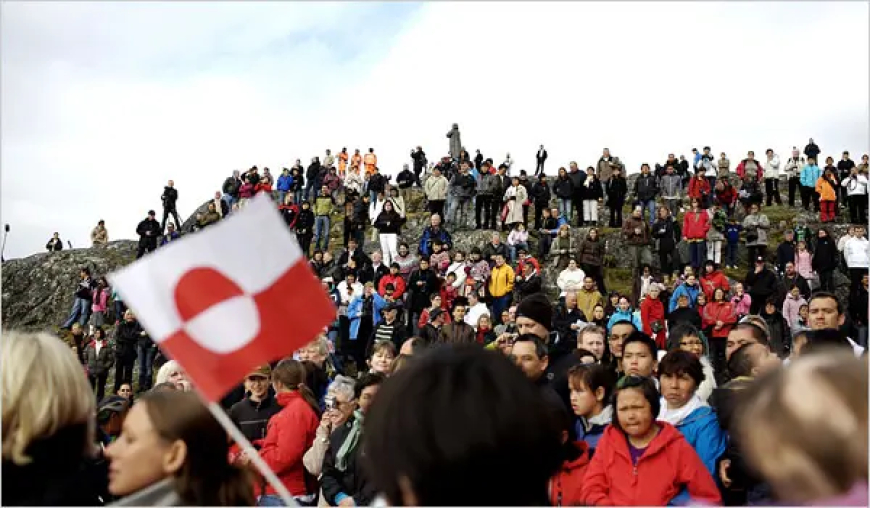
On June twenty-one two thousand nine Greenland officially transitioned to a comprehensive system of expanded self-rule from Denmark. This historic transition followed a decisive referendum where the vast majority of local voters supported the autonomy measure. Consequently the island now manages its own judicial system and natural resources after centuries of direct Danish administration.
The implementation of the Self-Government Act marks a monumental shift in the political landscape of the Arctic region. Although Nuuk now controls most domestic policy Copenhagen still retains responsibility over foreign affairs and national defense matters. This unique arrangement allows the islanders to pursue greater economic independence while maintaining essential military protections.
Local officials express immense optimism regarding the management of vast mineral and oil reserves across the territory. International corporations are already showing increased interest in exploring these newly accessible resources beneath the melting ice. Therefore the local government expects to generate substantial revenues to phase out annual financial subsidies from Denmark.
Cultural preservation represents another critical element of this legislation as Greenlandic becomes the sole official language here. Schools and government offices are transitioning entirely to the native tongue to reinforce a distinct national identity. Observers believe these cultural changes will strengthen the social fabric during this prolonged transition toward potential sovereignty.
Critics however voice valid concerns about the economic viability of complete independence in the near future. They argue that the global commodities market remains highly volatile for a developing resource-based economy to rely upon. Furthermore the small population may struggle to fill essential bureaucratic roles without continued technical support from Europe.
Despite these economic challenges the atmosphere across the capital city remains overwhelmingly celebratory during this national holiday. Citizens are gathering in public squares to mark what many consider the birth of a modern nation. Ultimately this political milestone redefines the relationship between the Arctic territory and its former colonial administrators.
[Source: The NewYork Times]