















Kurds desperate to invade Iran... if they get Trump’s jets
Proud fighters already under fire from Tehran’s drones but without air cover, joining the war ‘would be suicide’

Azizi is one of hundreds – possibly thousands – of Iranian Kurd fighterswatching the rapidly escalating war closely, looking for a window to launch an invasion that would open a new front against the Iranian government.
“The Americans and Israelis are heavily bombing Iran, insisting to end the Iranian regime. They haven’t attacked Iran before the way they are doing now,” he said. “We must seize this opportunity.”
But the Kurds are clear that they need Donald Trump’s fighter jets to stay in the skies before they put boots on the ground.
“No one can do ground fighting like the Kurds,” said Azizi. “But we need cover in the skies.”
“We need a no-fly zone for the Kurds,” echoed Hana Hussein Yazdanpanah, a PAK spokesman. “Under that condition, we might enter; otherwise it will be suicide.”
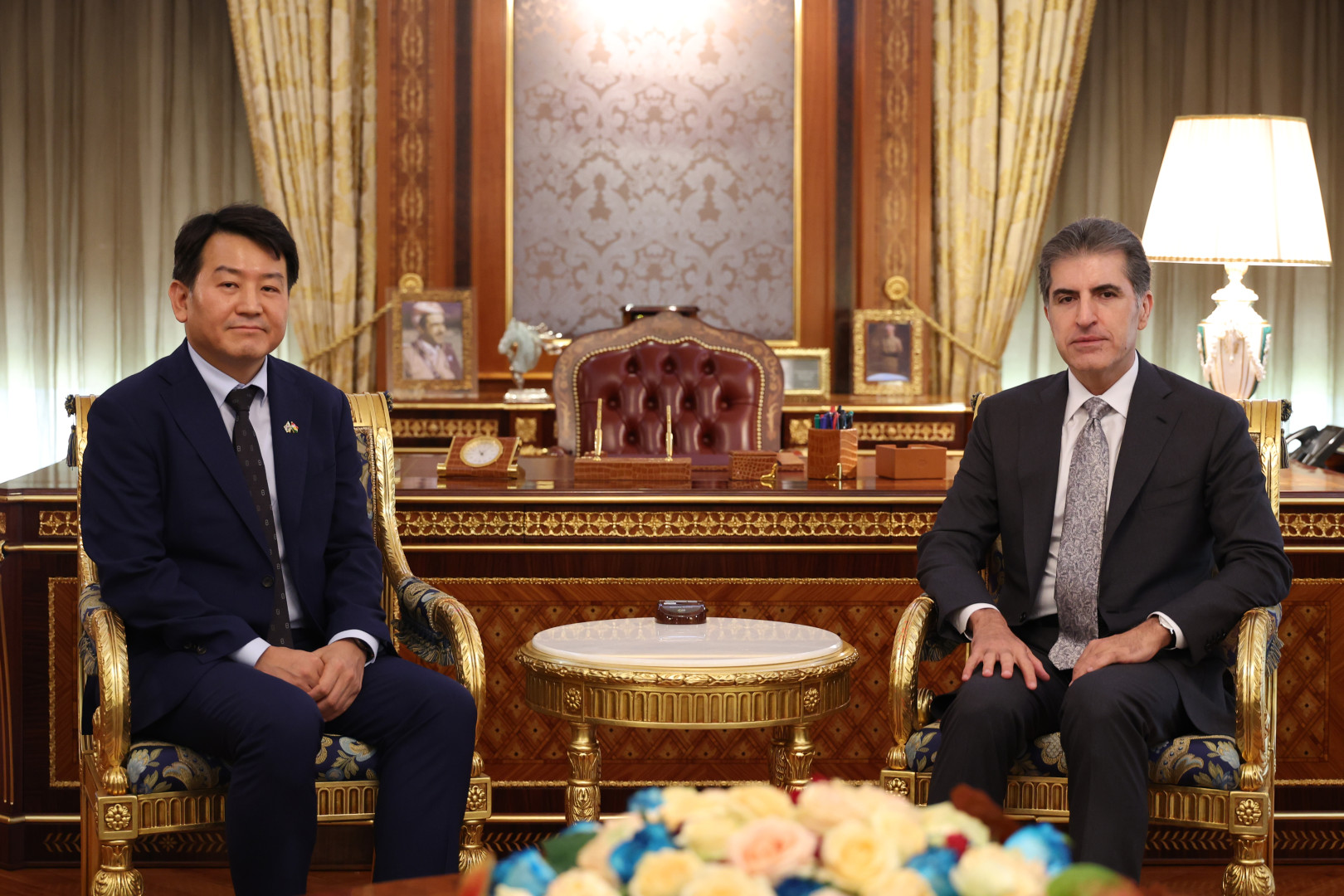
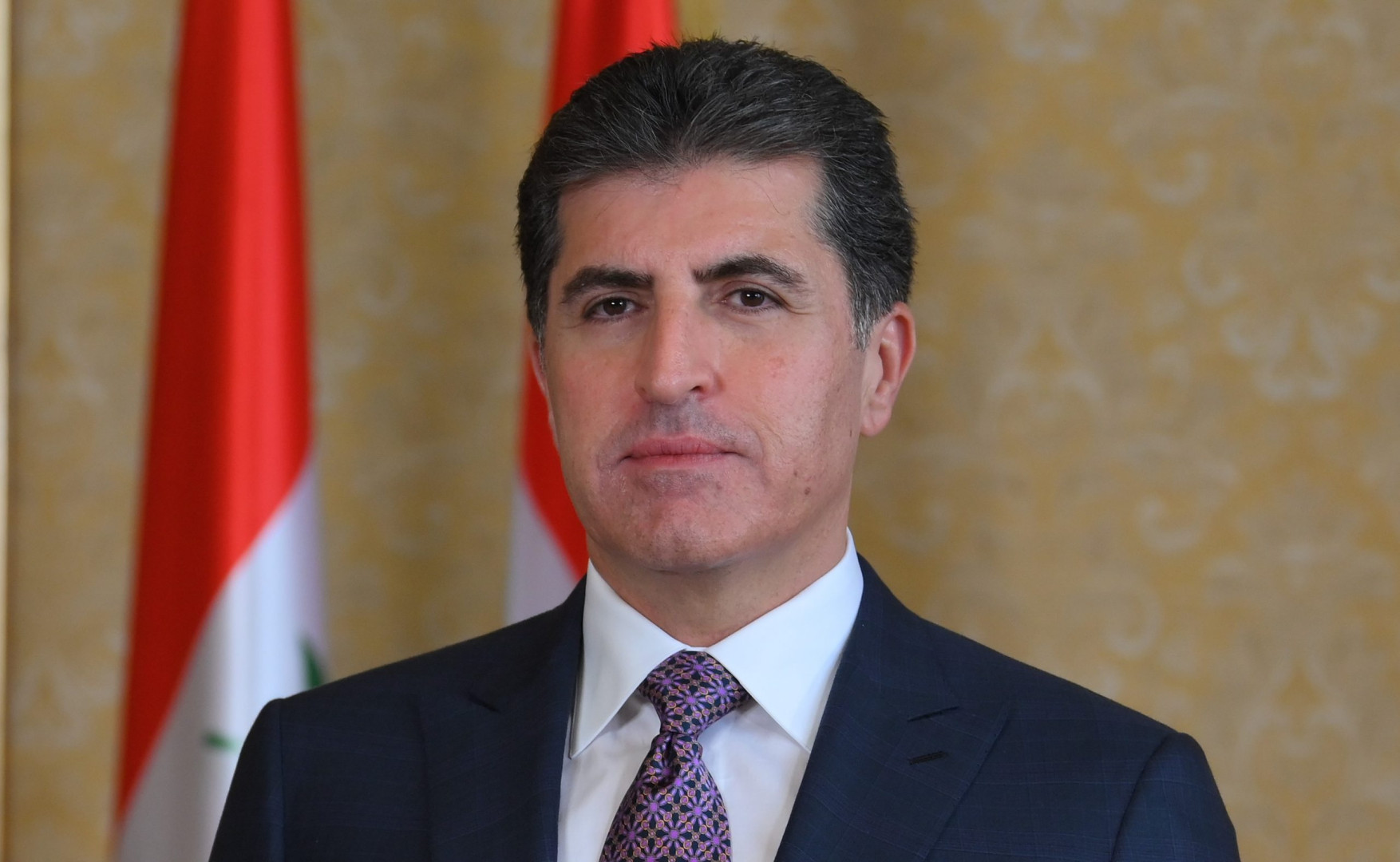
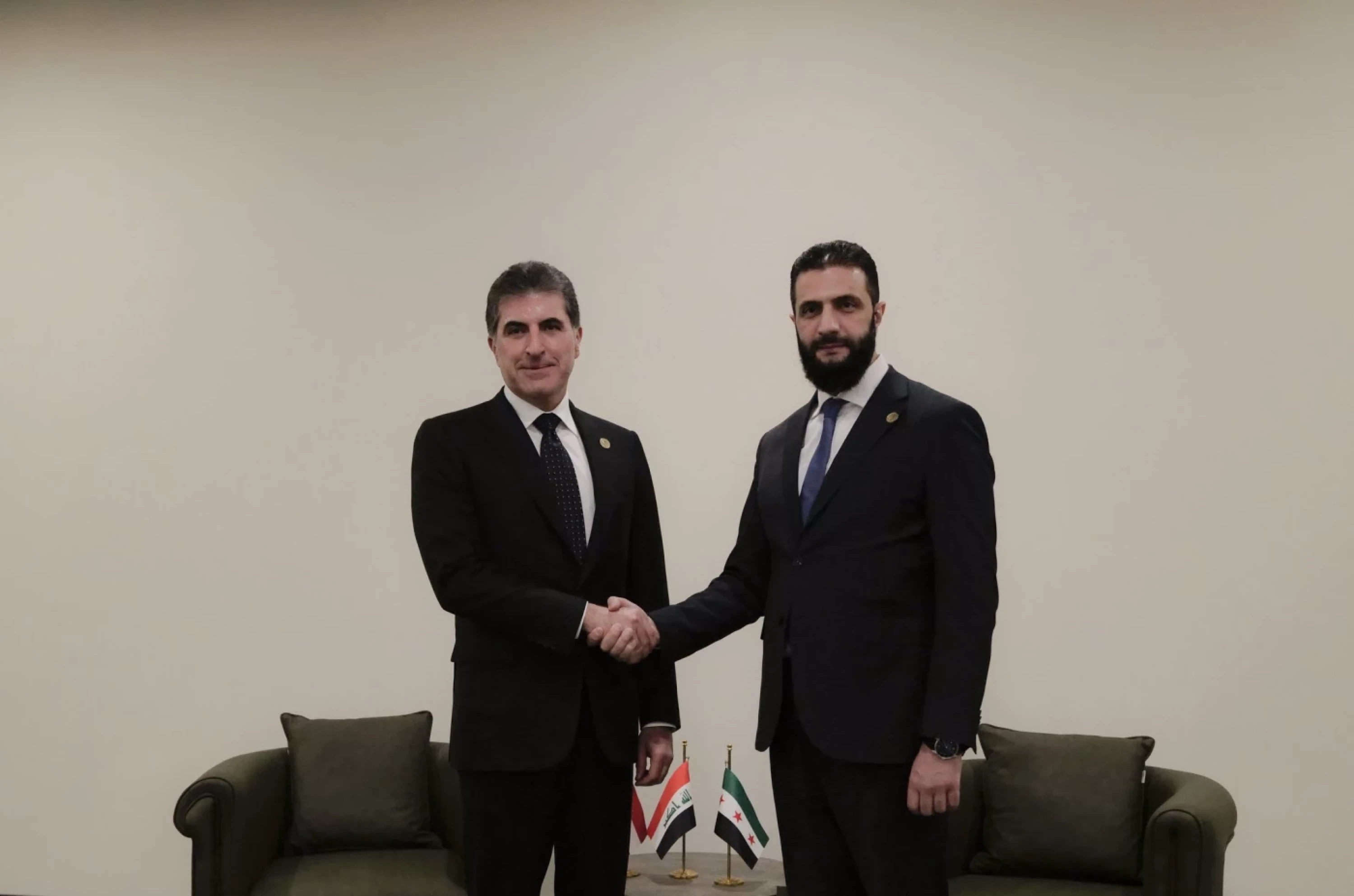
Air support might very well materialise. Mr Trump has been courting the Kurdish community, reportedly offering “extensive US air cover”, and spoke with prominent Iranian Kurdish and Iraqi Kurdish leaders soon after launching attacks against Tehran.
Support could also involve providing weapons and financing, as Trump reportedly suggested in private conversations with the leaders.
When asked publicly whether he wanted the Kurds to invade, Mr Trump said on Thursday: “I think it’s wonderful that they want to do that, I’d be all for it.”
However, Mr Trump suggested on Saturday evening that he did not want them to go into Iran because he did not “want to see the Kurds get hurt or killed”.
Kurdish fighters have told The Telegraph that they have not received any US support for now, but would accept material or moral backing.
“Our enthusiasm hasn’t decreased; the Kurds have always been alone,” said Azizi. “Even when we had allies, we were taken advantage of, we were used.”
Meanwhile, fighters like Azizi, 27, are coming under increased attacks from Iran, and Tehran-backed militias based in Iraq – perhaps a consequence for being in the global spotlight over the key role they could potentially play.
Almost daily, Iranian missiles and drones strike areas where Iranian Kurdish separatist groups train fighters, store weapons and raise families. The drones are typically launched from Iraq, where militant groups that support Iran have joined the fight.
For now, the strikes appear to be pre-emptive, as Kurdish fighters have denied reports that they’ve already crossed the border in preparation for an eventual ground offensive.
“We want support from all democratic countries,” said Karim Parwizi, a senior official in the Democratic Party of Iranian Kurdistan (PDKI), one of six groups in a newly formed coalition that includes PAK.
“This is their responsibility to help the people of Iran,” he said. “For so many years, the Iranian regime sold oil, and made this money to produce missiles, drones… to kill the people.”
After decades of what the Kurds see as broken promises, many like Parwizi believe it is “the duty” of the world to come to their aid.
When borders were redrawn after the fall of the Ottoman empire, the Kurds were promised a nation of their own – a pledge that never came to be.
Today, the Kurds number roughly 40 million people spread across four countries: Iran, Iraq, Syria and Turkey.
As one of the world’s largest stateless ethnic groups, they have faced varying levels of discrimination.
In Iran, the Kurds have a long history of grievances and uprisings against the current regime as well as the previous governing monarchy.
Multi-generational oppression, they say, is what gave rise to Iranian Kurdish separatist groups, some with armed units, established in exile with ambitions ranging from an independent country to greater autonomy in a democratic Iran.
Those activities have prompted Iran to label some of these groups, such as PAK, as terrorist organisations, given their strong separatist sentiments.
Many Iranian Kurds have found refuge in neighbouring Iraq, which shares a land border with Iran of about 1,000 miles.
They have found support among their brethren especially in northern Iraq, where an autonomous Kurdish region was established – a rare success story for the mostly Sunni Muslim ethnic group.
All this, however, has put their host nation in an impossible situation, making it the only country to draw fire from both sides of the current war.
Iran and its proxy militias have attacked US military personnel and assets, such as US-operated oil fields inside Iraq. They’ve also attacked Iranian Kurdish separatist groups based in the jagged mountains of the north.
On the other side, the US and Israel have repeatedly bombed Iran-aligned paramilitary forces, including one group that is state-sanctioned by Iraq.
Within Iraq, the country’s delicate domestic security hangs by a thread. The federal government in Baghdad has for years played a dangerous game, maintaining complex political ties with Iran through the latter’s network of proxy militias.
Baghdad has also allowed the northern part of the country to maintain a significant degree of self-rule in Iraqi Kurdistan, where the Kurds oversee their own administration and internal security.
Thus Iraq’s unique circumstances have made the current war a great source of domestic tension as well as broader global geopolitical pressures.
Whether the Iranian Kurds will rush in to battle the Islamic Republic remains to be seen, though they have capitalised on this moment to exercise swagger.
They claim to have widespread support within Iran from thousands of people who have pledged to join an armed resistance – including Kurds within the regime’s security forces who would defect to the other side.
Still, any decision must be deliberated and agreed upon within the Iranian Kurdish coalition formed in late February, coalition leaders have said.
And those calls will have to be made whether or not the US, in the end, offers material support – itself a major debate within the community.
Some Iranian Kurds see this as a moment in which to further their aims of self-determination. Others have cautioned that the war between US-Israel and Iran is simply not their fight and not worth dying for.
A chequered history of the US partnering with Kurdish fighters has left many feeling betrayed – treated more as a tool than an equal partner.
In January, the US-backed, Kurdish-led Syrian Democratic Forces – instrumental in the fight against the Islamic State terror group – came under siege from the new Syrian government after unification talks.
“Too often, the Kurds are remembered only when their strength or sacrifice is needed,” Shanaz Ibrahim Ahmed, the first lady of Iraq, said in a statement this week.
“For that reason, I appeal to all sides involved in this conflict,” she added. “Leave the Kurds alone. We are not guns for hire.”
Caught in the crossfire, Iranian Kurd fighters describe experiencing an unusual mix of jitters and joy – forced to defend themselves to prevent casualties before launching what some believe may turn out to be the most consequential campaign of their lifetimes.
“Of course we want to go back to fight the regime, to get our freedom,” said Azizi. “Our objective is not mainly to make the regime fall – it is to take back our part of the land.
“We don’t want to do that at a time when we can be heavily attacked, as Iran still has a lot of capacity. We are waiting for our leaders and commanders to see what would be the right time.”
“The regime will be gone by Nowruz,” Azizi added, referring to the Persian new year holiday in late March. “This time, I feel, is different.”
[Source: Daily Telegraph]