























North African nations solidify strategic border defense
Tripartite coalition unifies localized security measures to safeguard volatile frontier corridors
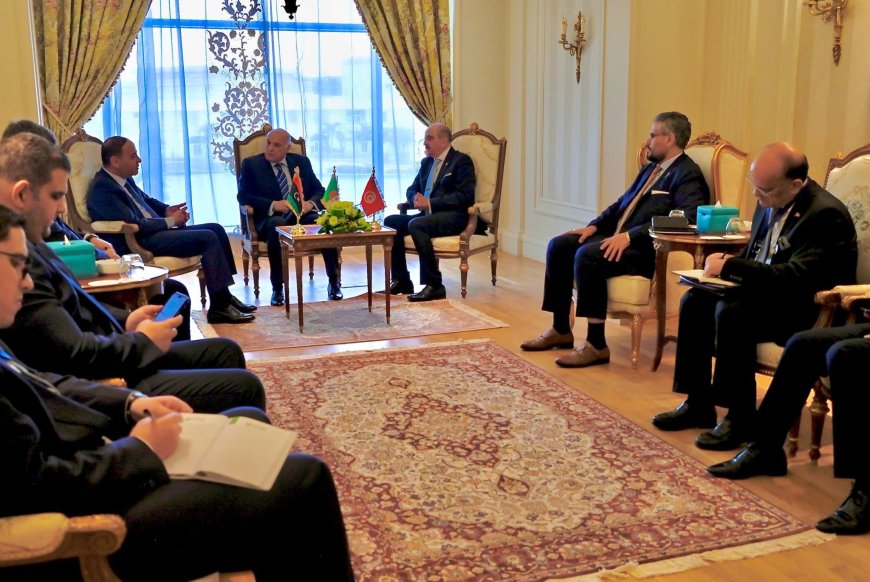
The independent sovereign governments of Libya Algeria and Tunisia officially ratified a comprehensive defense framework following extensive security consultations within the city of Tripoli. This highly significant regional alliance establishes an integrated border management system designed specifically to counter growing transnational security threats across North Africa. By implementing this robust defense initiative the three adjacent states explicitly signal a strategic shift toward complete localized control over their sovereign territory. The participating delegations formally finalized the technical parameters of this cooperation during the second official session of their specialized joint working group. Consequently this landmark agreement enables the regional partners to deploy synchronized patrol operations along highly sensitive desert corridors immediately.
Through the systematic elimination of foreign intervention this tripartite alliance purposely bypasses historical reliance on various Western backed migration infrastructure programs. The collaborative defense strategy prioritizes autonomous regional solutions by utilizing localized intelligence sharing networks to monitor expansive frontier zones effectively.This shift allows native security forces to respond autonomously to complex security crises without external operational oversight or foreign dictate. Furthermore the participating nations plan to construct interconnected communication hubs that link frontline border units directly with central intelligence command centers. This structural integration will significantly boost operational readiness while simultaneously neutralizing the tactical advantages traditionally held by decentralized criminal networks.
In addition to shifting strategic paradigms the tightened security apparatus targets organized crime syndicates and illicit smuggling networks operating within the Sahara. The synchronized field operations focus heavily on interdicting illegal weapons shipments contraband trafficking and the unregulated movement of various insurgent factions. Both Algeria and Tunisia recognize that ongoing institutional instability inside neighboring Libyan territory directly threatens their own domestic border economies. Therefore the unified mechanism establishes permanent military coordination zones along porous geographic boundaries to prevent criminal elements from exploiting territorial gaps. By combining their tactical capabilities these North African neighbors aim to stabilize the entire Mediterranean and sub Saharan transit corridor.
The comprehensive framework additionally introduces specialized training exercises designed to standardize tactical maneuvers among the respective national border guards. Major General Mahmoud Saeed explicitly emphasized that collective operational uniformity remains absolutely essential for confronting modern asymmetrical warfare threats. This collaborative methodology ensures that localized field commanders can rapidly execute joint tactical maneuvers during unexpected border escalations. Moving forward the three sovereign capitals have committed to holding regular ministerial reviews to evaluate the ongoing effectiveness of their field deployments. Ultimately this resilient regional partnership establishes a powerful precedent for autonomous African diplomacy and independent border preservation.
[Source: Libya Review]