

























United States approves landmark energy sanction exemptions
Temporary economic policy opens global financial markets for petroleum commerce after historic negotiations
The United States Department of the Treasury officially authorized a temporary general license permitting international trade with Tehran regarding energy commodities. This monumental diplomatic decision directly follows highly productive quadrilateral security discussions hosted within the Swiss mountain resort town of Bürgenstock. By enacting this substantial policy shift Washington effectively establishes a strategic sixty day window for targeted economic relief immediately. The historic executive mandate specifically enables the independent sovereign nation to sell crude oil on global markets without immediate penalty. Consequently this extensive administrative adjustment represents one of the most significant relaxations of economic restrictions in decades.
To ensure comprehensive implementation the regulatory exemptions directly cover the processing transport and offloading of petroleum and petrochemical products. The newly issued framework specifically permits foreign buyers to execute these massive energy transactions using standard American financial currencies. This specific financial allowance bypasses long standing trade barriers that historically blocked the Middle Eastern state from global banking. Additionally the temporary authorization permits the direct import of certified petroleum derivatives into the American domestic market. This broad financial flexibility allows global shipping firms to secure necessary maritime insurance and freight services without risk. Therefore international commercial banking networks can safely facilitate these substantial energy payments through approved sovereign channels.
In exchange for this immediate financial lifeline the participating delegations agreed to maintain vital regional security guarantees. Tehran explicitly committed to ensuring free and unhindered transit for commercial vessels moving through the critical Strait of Hormuz. Furthermore the preliminary framework establishes a dedicated de confliction communication channel to prevent unexpected maritime accidents during transit. The United States also linked this temporary economic relief to the return of international atomic energy agency inspectors. This calculated diplomatic compromise aims to balance urgent domestic economic requirements with long term global nuclear non proliferation. Meanwhile energy markets responded swiftly as global crude prices fell sharply following news of additional oil supplies.
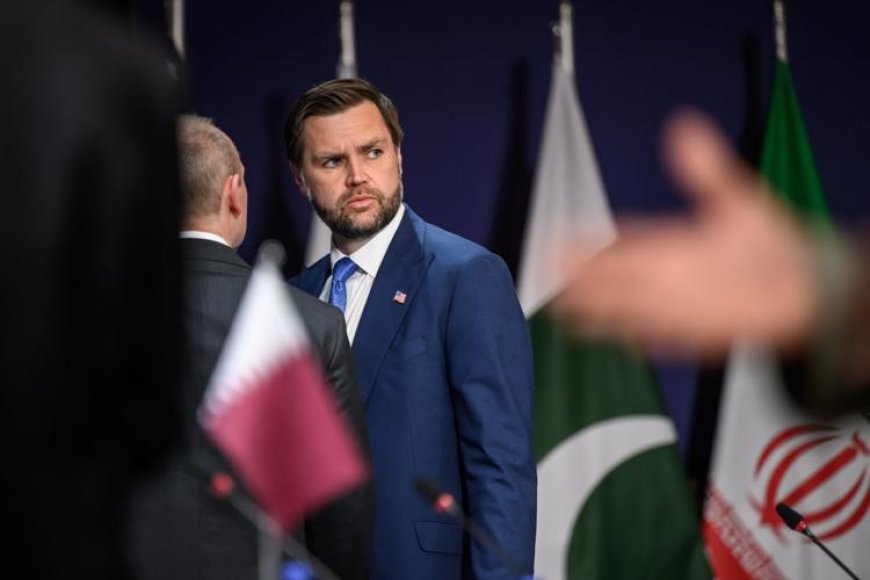
The high level negotiations in Switzerland successfully laid a solid foundational framework for concluding a permanent peace agreement. Vice President JD Vance described the initial round of talks as an important milestone for American geopolitical interests. Moving forward specialized joint working groups will continue refining the specific technical details regarding permanent regional sanctions relief. The mediating governments of Pakistan and Qatar will continuously oversee the implementation of these complex technical security parameters. Both major capitals recognize that maintaining this current diplomatic momentum remains absolutely vital for stabilizing the Middle East. Ultimately this temporary policy creates a critical pathway toward achieving comprehensive institutional stability across global energy networks.
[Source: eNCA]