/file/dailymaverick/wp-content/uploads/2023/10/CovidGrant-1.jpg)

























The Soviet blockade isolates Berlin
Western allies launch a massive airborne relief campaign to save the blockaded city from starvation.
The Soviet Union severed all ground traffic to West Berlin to isolate the allied sectors deep within eastern Germany. This aggressive blockade marked a dangerous escalation in global tensions and brought the former wartime allies into direct confrontation. The high-stakes crisis ultimately forced western nations to initiate a massive aerial supply campaign to sustain the stranded city.
Joseph Stalin ordered his military forces to choke off all land and water access routes into the western zones. Consequently over two million innocent civilians faced immediate starvation and a severe shortage of electricity without incoming ground freight. However the western powers steadfastly refused to abandon their strategic positions despite the overwhelming threat of an armed conflict.
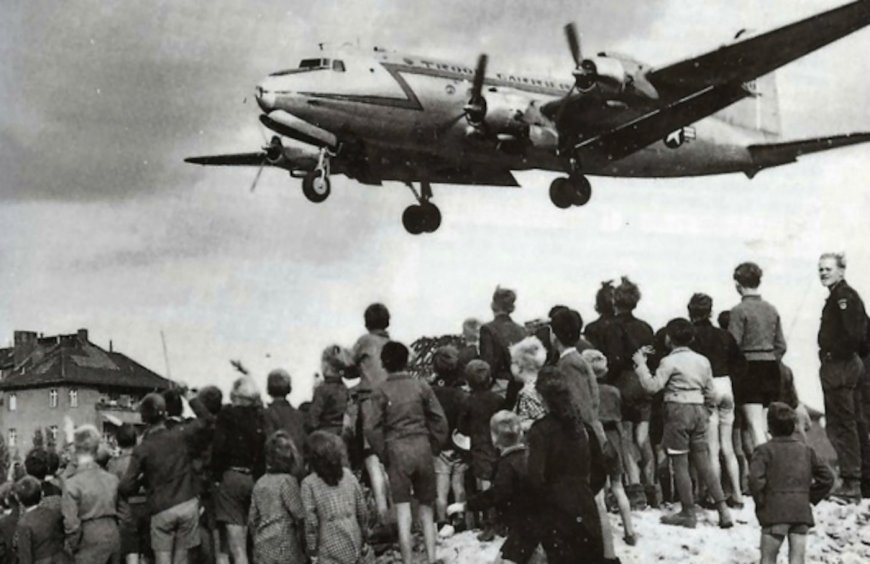
General Lucius Clay actively organized the immense aviation operation to bypass the hostile Soviet blockades through three narrow air corridors. British and American pilots flew continuous cargo missions around the clock to deliver vital food and coal to residents. Accordingly the constant drone of transport planes quickly became a symbol of survival and hope for the besieged Berliners.
The complex logistics network successfully expanded each week until cargo planes landed at Tempelhof airport every single minute. Meanwhile ordinary citizens volunteered on the ground to unload heavy flour sacks and repair damaged runways in the city. This collective determination effectively neutralized the strategic leverage that the Kremlin hoped to gain through the blockaded borders.
The relentless airborne delivery system completely surpassed all initial expectations by supplying thousands of tons of daily necessities effortlessly. Therefore the Soviet leadership eventually recognized the total failure of their siege tactics after eleven grueling months of pressure. The local blockade finally ended because the brilliant western strategy had completely broken the economic stranglehold on the city.
This intense geopolitical showdown firmly solidified the division of Europe into two competing ideological blocs for forty subsequent years. Furthermore the shared hardship forged a new enduring alliance between the West German population and the western democratic nations. The historic airlift fundamentally proved that peaceful logistical ingenuity could successfully defeat aggressive military blockades without starting a war.
[Source: The Nation]