
/file/dailymaverick/wp-content/uploads/2023/10/CovidGrant-1.jpg)






























Eastern government bans four nations
The parallel administration in Benghazi closes all border points to citizens from selected east African countries. ARN News Centre
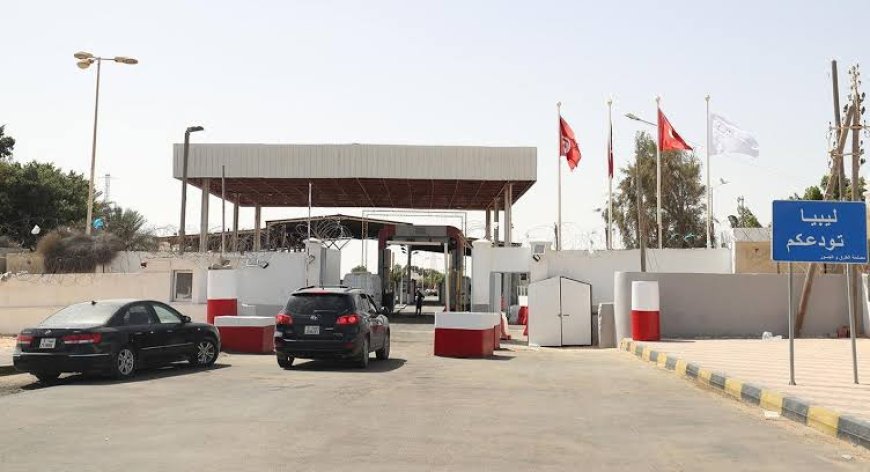
The parallel government based in eastern Libya officially banned citizens from four specific East African nations from entering its entire territory. This sweeping security directive effectively closed all maritime ports and land crossings alongside every functional airport to those designated nationals. The dramatic policy shift immediately targeted travelers originating from Sudan and Eritrea as well as individuals from Ethiopia and Somalia.
Prime Minister Osama Hamad signed the restrictive decree to execute a comprehensive reorganization of foreign nationals entering the country. Consequently the new measures sought to drastically reduce the massive influx of undocumented migrants moving toward the Mediterranean coast. However the sudden border closures exempted accredited members of foreign diplomatic missions and their immediate family members completely.
The official administrative order also permitted essential professionals in the regional education and medical sectors to bypass the restrictions. These specific foreign workers must secure valid employment contracts and explicit approvals from the relevant governing authorities first. Nevertheless the strict travel ban heavily impacted standard transit routes used by thousands of vulnerable regional refugees each month.
Military commander Khalifa Haftar currently maintains firm control over the vast eastern and southern regions of the divided nation. Meanwhile the internationally recognized rival government led by Abdulhamid Dbeibah continues to manage state operations from the western capital. This ongoing political division has severely complicated border enforcement efforts across the highly fragmented North African territory.
The United Nations recently estimated that nearly one million international migrants currently reside within the borders of Libya. Many of these displaced individuals actively endure dangerous conditions while waiting for illegal smuggling boats to reach southern Europe. Therefore this localized entry ban represented a major legislative effort by eastern factions to control the regional migration crisis.
Humanitarian organizations immediately expressed deep concern over the long-term safety of refugees fleeing active conflict zones like Sudan. These desperate travelers frequently face arbitrary detention and extreme exploitation by criminal human trafficking networks throughout the region. The newest border policy fundamentally highlighted the enduring instability and deep governance fractures that still plague the nation.
[Source: Voice of Emirates]