





/file/attachments/2996/04ED_610405_518242.jpg)


/file/dailymaverick/wp-content/uploads/2023/10/CovidGrant-1.jpg)
































The signing of the Civil Rights Act
How Lyndon B Johnson enacted a landmark legislative measure to legally dismantle segregation across America
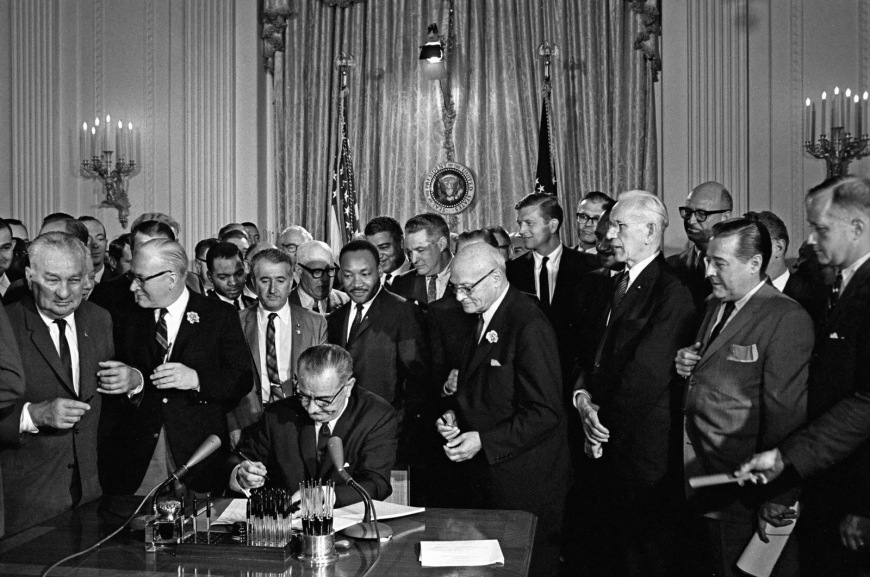
President Lyndon B Johnson officially signed the historic Civil Rights Act into federal law on July 2 1964. This monumental piece of legislation legally dismantled the pervasive system of Jim Crow segregation across the entire American nation. The groundbreaking federal statute outlawed discrimination based on race color religion sex or national origin within all public accommodations. This comprehensive transformation established a new era of legal equality and fundamentally reshaped the entire social landscape of the country.
The dramatic legislative process emerged from years of intense public demonstrations led by courageous civil rights activists like Martin Luther King. Leaders from across the diverse movement recognized that a powerful federal law could best protect vulnerable minority citizens from systemic injustice. Consequently they pressured the federal government to draft a robust statutory framework that guaranteed equal protection under the law. The successful passage of this foundational document through Congress marked a crucial victory for the visionary architects of equality.
Originally the controversial bill faced a massive eighty-day filibuster by southern senators who vehemently opposed federal desegregation efforts. However bipartisan coalition leaders successfully organized enough votes to defeat the obstruction and pass the legislation into law. This historic political triumph reflected the evolving moral conscience of a nation struggling to live up to its constitutional ideals. Today the anniversary serves as a powerful reminder of the collaborative spirit that originally forged this major civil rights victory.
The newly enacted federal system carefully outlawed discriminatory practices within critical areas like employment opportunities and voter registration procedures. For example Washington established the Equal Employment Opportunity Commission to investigate hiring discrimination complaints across the vast American economy. Meanwhile federal authorities gained expanded powers to enforce school desegregation and protect voting rights within historically resistant regions. This clever statutory design effectively targeted entrenched inequality while empowering marginalized groups within the larger national structure.
Historians widely consider this peaceful legislative achievement as a unique model for civil rights reform around the global community. Instead of succumbing to total social fracture the American leadership chose the deliberate path of legal negotiation and democratic process. Their careful planning ultimately laid the durable foundation for a more inclusive society that continuously strived toward equal opportunity. This legislative event remains the defining moment that set the modern nation on its long path toward true freedom.
[Source: CNN]