
/file/attachments/2996/04ED_610405_518242.jpg)


/file/dailymaverick/wp-content/uploads/2023/10/CovidGrant-1.jpg)


























The signing of the Simla Agreement
How Indira Gandhi and Zulfikar Ali Bhutto negotiated a landmark bilateral peace treaty in India
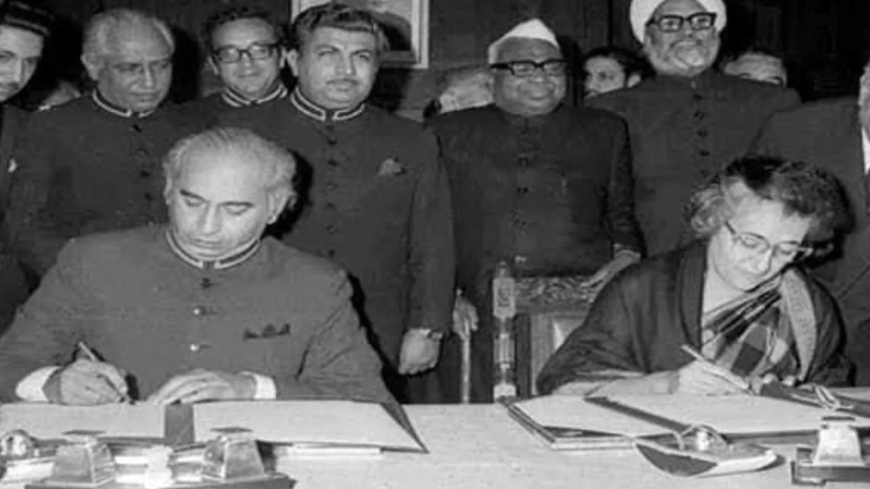
Indian Prime Minister Indira Gandhi and Pakistani President Zulfikar Ali Bhutto officially signed the historic Simla Agreement today. This momentous diplomatic summit followed the intense military conflict of the 1971 Bangladesh Liberation War within the South Asia region. The two prominent leaders met in the peaceful mountain hill station of Simla to negotiate a durable bilateral peace framework. This groundbreaking treaty established a new era of regional diplomacy and fundamentally reshaped the entire geopolitical landscape of the subcontinent.
The comprehensive peace agreement committed both neighboring nations to direct bilateral relations without any external international mediation. Leaders from the two states recognized that peaceful legal negotiation could better resolve long-standing territorial disputes over time. Consequently they established a formal framework that prioritized peaceful co-existence and mutual respect for territorial integrity along the shared borders. The successful ratification of this foundational document marked a crucial victory for the visionary architects of regional stability.
The historic pact officially converted the existing 1971 military ceasefire line into the famous Line of Control. This newly designated boundary remains the de facto border dividing the disputed territory of Kashmir between the two nations today. This crucial administrative decision sought to stabilize a highly volatile frontier while providing a clear framework for future security. Today the anniversary serves as a powerful reminder of the collaborative spirit that originally forged this major diplomatic breakthrough.
The newly established diplomatic system carefully laid down strict guidelines for the regular repatriation of thousands of prisoners of war. For example New Delhi agreed to release more than ninety thousand Pakistani military personnel detained during the previous winter conflict. Meanwhile Islamabad recognized the crucial necessity of maintaining open communication channels to prevent future accidental military escalations. This clever political compromise effectively lowered cross-border tensions while preserving the core national interests of both sovereign states.
Historians widely consider this peaceful constitutional achievement as a unique model for conflict resolution around the global community. Instead of continuing a destructive cycle of regional warfare the South Asian leaders chose the deliberate path of bilateral negotiation. Their careful planning ultimately laid the durable foundation for a diplomatic framework that survived multiple subsequent geopolitical crises. This legislative event remains the defining moment that set the modern relationship on its long path toward lasting peace.
[Source: The Hindu]