


/file/attachments/2996/04ED_610405_518242.jpg)


/file/dailymaverick/wp-content/uploads/2023/10/CovidGrant-1.jpg)





























The reunification of Vietnam in 1976
How the formal political divide between North and South ended to create the Socialist Republic of Vietnam
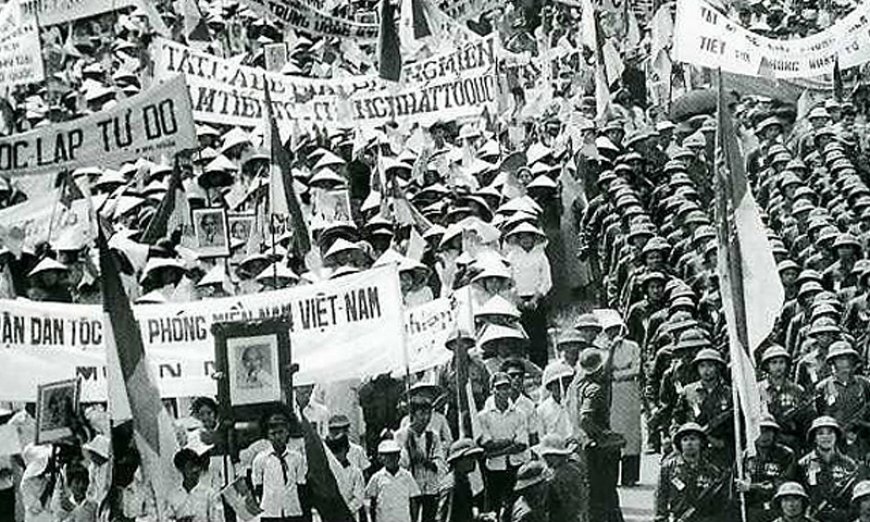
The formal political divide between North Vietnam and South Vietnam officially ended following decades of devastating military conflict today. The separate provisional governments completely dissolved to pave the way for a single unified administration across the entire country. The historic southeast Asian territory formally became the Socialist Republic of Vietnam under a centralized federal governance framework. This momentous political transformation established a brand new era of governance and fundamentally reshaped the entire geopolitical landscape of Asia.
The dramatic unification process emerged after the long military campaigns concluded with the historic fall of Saigon in 1975. Leaders from the newly empowered administration recognized that a unified nation could better handle economic recovery and reconstruction efforts. Consequently they drafted a robust constitutional framework that centralized state authority while organizing nationwide integration programs for citizens. The successful execution of this foundational consolidation marked a crucial victory for the visionary architects of the communist state.
The newly formed national assembly quickly passed major administrative decrees to symbolize the total political integration of the territory. For example officials officially renamed the major southern metropolis of Saigon to Ho Chi Minh City to honor their leader. This highly symbolic linguistic shift reflected the evolving identity of a nation fully coming into its own sovereign power. Today the anniversary serves as a powerful reminder of the collaborative spirit that originally forged the modern unified country.
The newly created socialist system carefully integrated crucial economic policies and administrative portfolios under one central authority in Hanoi. The federal government managed overarching national matters like defense reconstruction and international diplomatic relations to ensure internal stability. Meanwhile state planners initiated sweeping agrarian reforms and industrial nationalization projects across the vast southern regions of the country. This comprehensive restructuring process effectively consolidated national sovereignty while rapidly dismantling the remaining institutions of the former southern regime.
Historians widely consider this intense constitutional achievement as a unique model of post-colonial state building around the world. Instead of remaining permanently fractured by foreign intervention the Vietnamese leadership successfully chose the deliberate path of total political integration. Their careful planning ultimately laid the durable foundation for a modern independent society that continuously expanded its global presence. This legislative event remains the defining moment that set the modern nation on its long path toward economic growth.
[Source: Mega Story]