


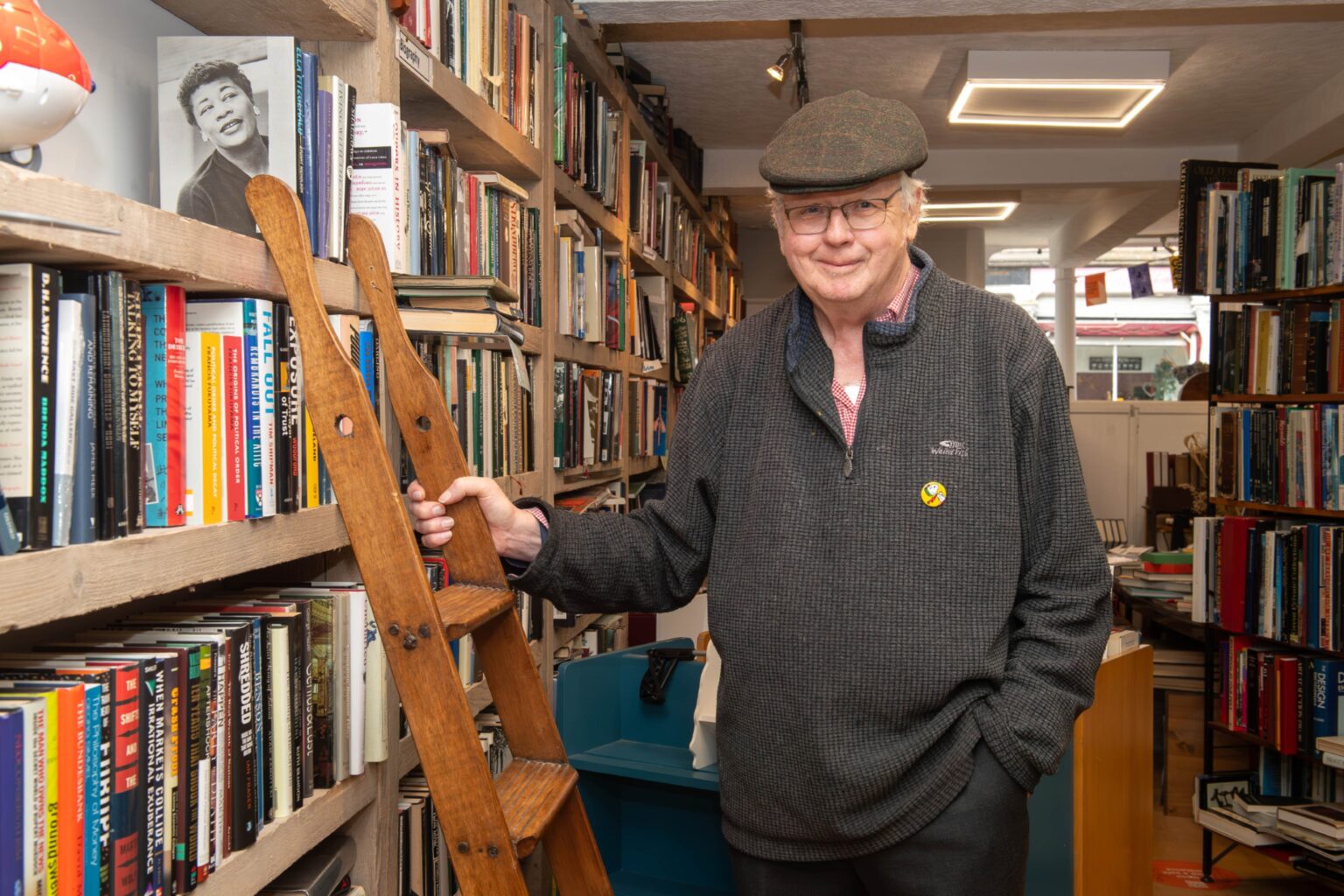





















Gilbert Thompson, physician who demonstrated the link between ‘bad’ cholesterol and heart disease
He pioneered ‘plasma exchange’, which improved survival rates before modern statins and other cholesterol-lowering drugs were available

Professor Gilbert Thompson, who has died aged 93, played a leading role in showing how “bad” cholesterol (low-density lipoprotein or LDL cholesterol) is processed by the body and how faults in this process lead to dangerously high cholesterol levels and heart disease.
The liver produces about 70–80 per cent of the body’s total cholesterol, a fat-like substance essential for building cell membranes, and for producing hormones, vitamin D, and bile acids for digestion. To transport it through the blood it packages the cholesterol into two types of so-called lipoproteins: high-density lipoprotein (HDL), commonly known as “good cholesterol” carries cholesterol back to the liver to be removed; LDL cholesterol, on the other hand, can build up in blood vessels if there is too much.
From the 1950s onwards there had been a debate about the link between cholesterol and coronary heart disease (CHD). Most scientists believed that cholesterol played a causal role in atherosclerosis (the narrowing and hardening of the arteries) and CHD, but there were some who strongly disagreed.
In the 1970s the American researchers Michael Brown and Joseph Goldstein, who went on to win the 1985 Nobel Prize in Physiology or Medicine, discovered receptors on the surface of liver cells that remove LDL cholesterol from the blood. In a healthy body, these receptors keep blood cholesterol levels low and stable.
In individuals consuming a diet over-rich in saturated fats and, more especially, in patients with familial hypercholesterolaemia (FH), an inherited disorder, the process does not work properly. FH, they found, is caused by a lack of functional LDL receptors.
Thompson provided crucial proof of these findings in patients, and by “tagging” LDL particles with radioactive markers he showed how the receptors work in the body. In healthy people, the LDL particles disappeared quickly; in patients with FH the LDL remained in the blood over a long period of time because the liver was unable to get rid of it.
Thompson’s work provided concrete medical evidence that high LDL cholesterol causes atherosclerosis, and he pioneered the use of “plasma exchange”, a therapeutic procedure that removes plasma containing LDL from the blood of patients with FH, significantly improving survival rates even before modern statins and other cholesterol-lowering drugs were available.
Gilbert Richard Thompson was born on November 20 1932 into a Roman Catholic family in Poona, India, where his father was serving in the British Army. At the outbreak of the Second World War he returned to England with his mother and brother Richard, settling in Hampshire, where the boys became keen fly-fishermen.
From Downside, Gilbert went on to St Thomas’ Hospital Medical School, qualifying in 1956. After National Service with the RAMC in Ghana, in 1963 he joined the Royal Postgraduate Medical School at Hammersmith Hospital, initially specialising in gastroenterology.
He soon developed an interest in lipid research, however, and he remained at Hammersmith Hospital (with sabbaticals in the US and Canada) for the rest of his career, serving as honorary consultant physician in charge of the lipid clinic and as Professor (and from 1998 as Emeritus Professor) in Clinical Lipidology at the Hammersmith Hospital campus of Imperial College London.
Thompson played a leading role in professional and charitable organisations related to heart disease, including serving as chairman of the British Hyperlipidaemia Association which, with the Family Heart Association, became HEART UK. The author of more than 300 scientific papers, and a Fellow of the Royal College of Physicians, Thompson wrote several books including The Cholesterol Controversy (2008) in which he recounted the long-running debate over the relationship between cholesterol and heart disease, and a memoir, Medicine My Vocation, Fishing My Recreation (2020).
Thompson’s wife Sheila died in 2018 and he is survived by their two daughters and two sons.
Professor Gilbert Thompson, born November 20 1932, died January 9 2026
[Source: Daily Telegraph]