





















Hasakah protests after Kurdish removed from Justice Palace sign
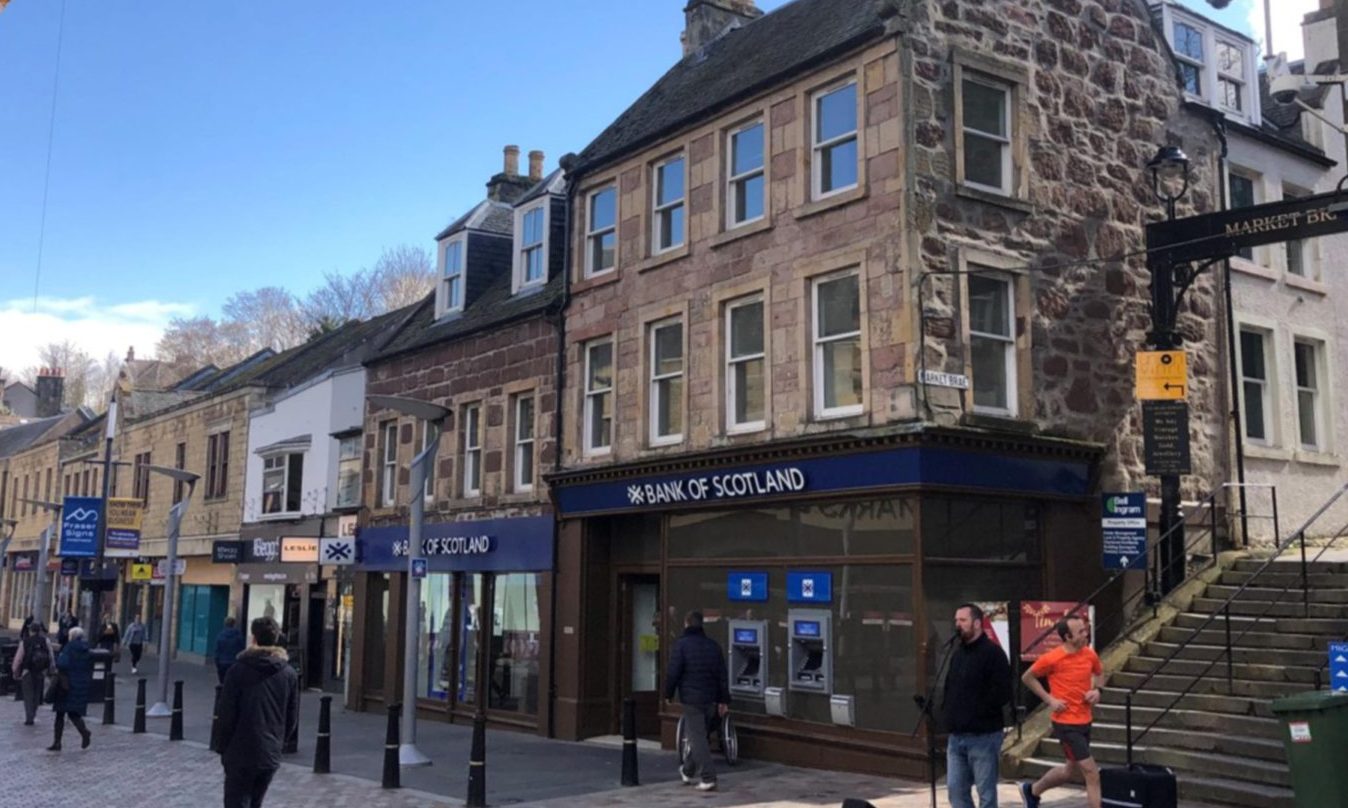
A number of supporters of the Syrian Democratic Forces, SDF, stormed the Justice Palace building in al-Hasakah city (northeastern Syria) on Thursday, May 7, and smashed the building’s new identification sign in protest at the removal of the Kurdish language from it, leaving only Arabic and English.

Videos circulated on social media showed protesters removing the sign fixed to the facade of the Justice Palace, located in the city center, before smashing it, amid chants condemning what they described as “targeting the Kurdish language.”
The move came days after the Syrian government began arrangements to reopen the Justice Palace in al-Hasakah, as part of understandings reached with SDF over the judicial file, one of the most prominent unresolved issues in the integration agreements between the two sides.
The protesters chanted slogans affirming that the Kurdish language is “a fundamental part of the identity and existence of the Kurdish people,” considering its removal from the identification sign “a violation of the cultural and national rights of Kurds.”
The protesters also read a statement in front of the Justice Palace building, saying that “any infringement on the Kurdish language is an infringement on the existence of the Kurdish people,” adding that the step “is read as an attempt to pressure the Kurds through the detainee file,” according to the statement.
The statement added that “language and prisoners represent the dignity of the Kurdish people,” calling on the Syrian government not to repeat such steps and stressing that Kurds “made great sacrifices to protect their language.”
For his part, Kurdish language teacher Mohammad Hajo said, “We hold whoever respects the Kurdish language in the highest esteem, but removing the Kurdish language from the Justice Palace sign in al-Hasakah city and keeping only Arabic and English is unacceptable.”
Hajo added that the protesters gathered outside the Justice Palace “to denounce and condemn,” considering the Kurdish language “part of the identity of the region’s residents and something that cannot be bypassed.”
Understandings on Judiciary and Detainees
The protest comes as al-Hasakah governorate witnesses a series of meetings and understandings between the Syrian government and SDF related to service, security, and judicial files, as part of follow up on the implementation of the January 29 agreement.
Al-Hasakah governorate announced on Wednesday, May 6, that a set of understandings had been reached after a lengthy meeting that included the governor of al-Hasakah, the presidential envoy, and several officials, centered on the Justice Palace, detainees, and security arrangements.
Among the most prominent points agreed upon was activating the Justice Palace in the next few days according to a specific mechanism, in addition to working to release more than 300 detained SDF fighters soon.
In a related context, another meeting was held with military commanders in the eastern region and government officials to discuss the military integration track and security arrangements, with the participation of Assistant Minister of Defense for the Eastern Region Brigadier General Samir Ali Oso, known as “Sipan Hamo,” and the commander of the “60th Division,” Brigadier General Awad al-Jassem, alongside several military commanders and oversight and inspection officials.
Deputy Governor of al-Hasakah Ahmed al-Hilali said, in statements carried by the al-Hasakah Media Directorate, that the meetings focused on following up on the implementation of the military integration track and accelerating the handling of the justice file in the governorate, including reopening justice palaces and courts, working to address the detainee file, and speeding up their release.
Hilali added that these meetings reflect “the commitment of the concerned bodies to strengthening security stability and addressing pending humanitarian files,” through coordination between civil and military institutions, contributing to “protecting residents and achieving a degree of stability.”
Complex Political and Security Context
These developments come within a complex political and field context in northeastern Syria since the beginning of this year, as the region saw shifts in the balance of control in mid-January after the Syrian army took control of Deir Ezzor and Raqqa governorates and parts of rural al-Hasakah.
Those developments pushed SDF to reposition its forces inside major cities, especially Qamishli, al-Hasakah, and Ain al-Arab.
This was followed by the signing of an agreement between the Syrian government and SDF at the end of January, stipulating the integration of military, security, and service institutions affiliated with the Autonomous Administration into the structures of the Syrian state, a track that began implementation in February.
However, implementation of the agreement faced several obstacles, most notably the dispute that emerged on April 19 over the mechanism for the Ministry of Justice to take over the judicial file in al-Hasakah governorate, coinciding with the arrival of a government delegation in Qamishli city after a previous visit to the Justice Palace in al-Hasakah as part of efforts to reactivate judicial work.
[Source: Enab Baladi English]