






/file/attachments/2996/04ED_610405_518242.jpg)


































Execution of Anne Boleyn reshapes tudor England
A decisive break in Henry VIII court politics and authority
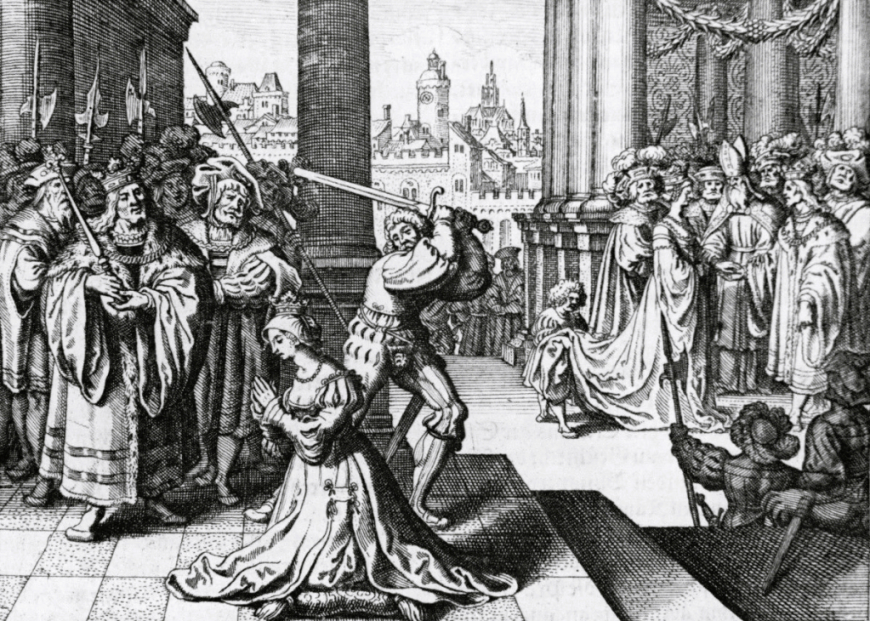
London witnessed a defining royal upheaval on May 19 1536 as Anne Boleyn faced execution inside the Tower of London. The death of the second wife of Henry VIII signaled a decisive turn in court politics and royal authority overall. Authorities moved quickly, and proceedings advanced with striking speed, reshaping alliances, silencing rivals, and reinforcing the Tudor monarchy across England.
Earlier that year, accusations of adultery, treason, and conspiracy surrounded Anne Boleyn, prompting arrests of alleged accomplices within the court. Prosecutors presented charges before a convened tribunal, and nobles endorsed the case, while the king maintained a calculated distance publicly. Despite contested evidence, the court delivered a guilty verdict, and preparations for execution proceeded, underscoring the intensity of factional struggles.
On the appointed morning, guards escorted Anne Boleyn to the scaffold, where witnesses gathered, and officials enforced order with ceremony. Accounts describe a composed demeanor, remarks, and a swift beheading carried out by an expert executioner, concluding the proceedings efficiently. Observers noted the unusual use of a sword rather than an axe, a choice interpreted as intended to ensure precision.
In the aftermath, the king advanced plans for marriage, consolidating influence and redirecting court dynamics toward new alliances and priorities. Supporters framed the outcome as for stability, while critics viewed the episode as a warning about power, loyalty, and survival. Meanwhile, actions followed quickly, including titles revoked, properties reassigned, and networks reorganized, signaling a restructuring of authority across the realm.
Historians to debate motives and evidence, weighing political expediency against personal dynamics, and assessing how narratives shaped perceptions of legitimacy. The episode illustrates how fortunes changed at court, where proximity to the crown brought opportunity but heightened exposure to suspicion. Consequently, the execution stands as a moment in the consolidation of the Tudor monarchy and evolution of governance in England.
[Source: The Spectator]