




/file/attachments/2996/04ED_610405_518242.jpg)





























Libyan commander faces international justice in landmark ICC case
A turning point for accountability after the Libyan Civil War
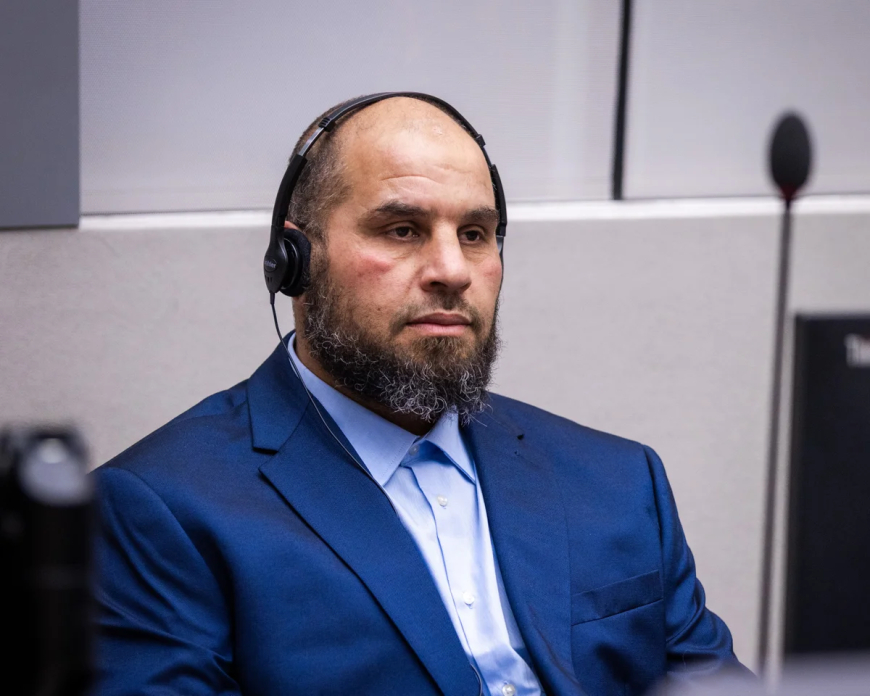
A major legal development has emerged as a prominent Libyan militia commander prepares to appear before the International Criminal Court in The Hague. This case marks one of the first times a high profile domestic commander from Libya’s post 2011 conflict era faces international prosecution. Consequently, human rights organizations describe this moment as a significant breakthrough for justice and accountability in the region.
The commander stands accused of torture and serious human rights violations committed during Libya’s prolonged instability following the fall of Muammar Gaddafi. Investigators have gathered evidence over several years, building a case that reflects patterns of abuse linked to militia control and fragmented authority. As a result, the proceedings aim to address long standing allegations that have remained unresolved within Libya’s domestic legal system.
Moreover, this development signals a shift toward greater international involvement in addressing crimes committed during the Libyan conflict. The ICC has previously faced challenges in securing custody of suspects, particularly those with strong local influence and militia backing. However, this appearance demonstrates increased cooperation and willingness to engage with international legal mechanisms.
In addition, human rights groups argue that this case could set a precedent for future prosecutions involving other commanders and political figures. They emphasize that accountability remains essential for long term stability and reconciliation within Libya. Meanwhile, victims and families continue to seek recognition and justice for abuses that occurred during years of violence and division.
Ultimately, the upcoming court appearance represents more than a single trial, as it reflects broader efforts to confront impunity in conflict affected societies. Observers note that sustained legal action could strengthen rule of law and deter future violations across the region. Therefore, this milestone stands as a critical step in Libya’s ongoing path toward justice and institutional rebuilding.
[Source: The Guardian]