




/file/attachments/2996/04ED_610405_518242.jpg)






























Gulf markets surge after US pause announcement
Oil prices ease as regional confidence strengthens
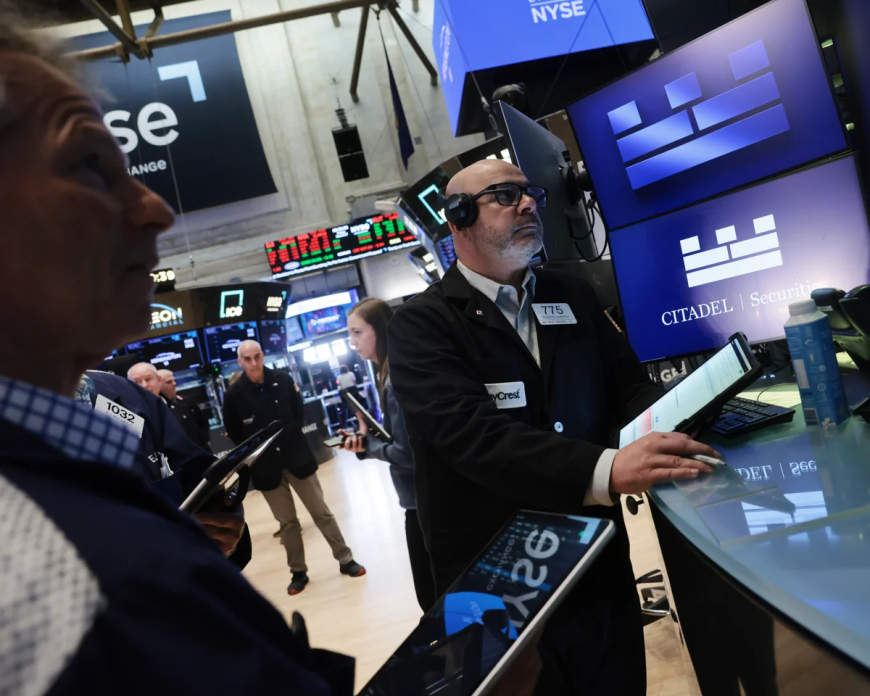
Stock markets across the Gulf region, including United Arab Emirates, Qatar, and Saudi Arabia, recorded immediate gains following news of a United States policy pause. Investors reacted quickly, driving indices upward as sentiment improved across major financial centers in the region. Consequently, this rapid market response reflected renewed confidence and reduced concerns about immediate geopolitical escalation affecting regional economies.
At the same time, oil markets showed a different but related reaction, as prices declined slightly after the announcement. Traders interpreted the pause as a signal of reduced short term risk to supply routes and production stability. As a result, النفط markets adjusted downward, indicating that fears of sudden disruption had eased, at least temporarily.
Moreover, analysts observed that Gulf economies remain highly sensitive to geopolitical developments, particularly those involving major global powers. Market movements often reflect expectations about stability, trade flows, and energy demand across international markets. Therefore, even small policy shifts can trigger noticeable reactions across both equity and commodity sectors in the Gulf region.
In addition, financial experts noted that sustained market stability will depend on whether the pause leads to longer term de escalation. Investors continue to monitor signals from Washington and regional capitals to assess future risks and opportunities. Meanwhile, governments across the Gulf maintain strong fiscal positions, which help cushion against short term volatility.
Ultimately, the synchronized rise in stock markets alongside a modest drop in oil prices highlights the interconnected nature of regional and global economics. The developments underscore how quickly sentiment can shift when uncertainty declines, even slightly. Going forward, markets will likely remain responsive to any further diplomatic or strategic changes involving the United States and the broader Middle East.
[Source: Reuters]







