























A Cold War milestone as Carter and Brezhnev sign strategic arms pact in Vienna
The United States and the Soviet Union establish controversial limits on nuclear arsenals to ease global superpowers tensions
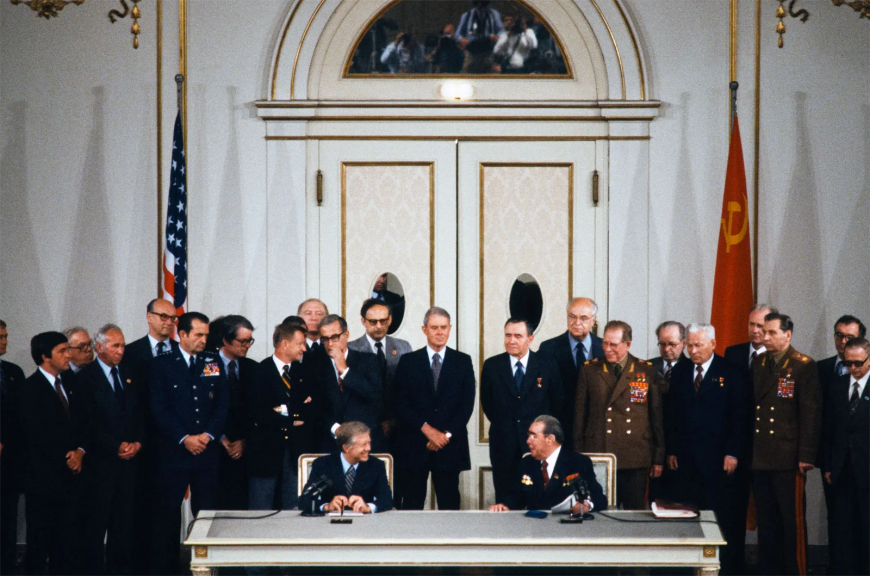
In Vienna, U.S. President Jimmy Carter and Soviet Leader Leonid Brezhnev signed the historic SALT II treaty yesterday. This crucial agreement establishes strict new boundaries on the nuclear weapon stockpiles of both competing global superpowers. Consequently, the landmark diplomatic event represents a major turning point during the highly volatile height of the Cold War.
Historically, negotiations for this complex strategic arms limitation talks pact required several years of intense international diplomacy. The two leaders finally finalized the intricate details after enduring numerous rounds of grueling geopolitical debates. Therefore, this newly signed accord aims to replace the previous temporary arrangements with a more permanent structure.
Initially, observers expressed optimism because the treaty places a firm cap on advanced strategic missile launchers. Furthermore, the modern agreement restricts the development of brand new types of intercontinental ballistic missiles. However, many political opponents quickly launched fierce criticism against the specific terms of the finalized document.
In Washington, several prominent lawmakers immediately argued that the new restrictions severely disadvantage the defense capabilities of America. Meanwhile, other skeptical analysts strongly warned that the Soviet Union might secretly violate these strict weapons limits. Thus, the intense political debate over legislative ratification promises to create massive division within the United States Senate.
Conversely, supporters passionately maintain that this diplomatic breakthrough successfully prevents a catastrophic and uncontrolled nuclear arms race. They firmly believe that regular open communication lines between Washington and Moscow remain absolutely vital for global survival. Additionally, the administration emphasizes that comprehensive verification measures will effectively guarantee total compliance from the Soviet Union.
Ultimately, this controversial treaty symbolizes a dedicated attempt to foster peaceful coexistence despite deeply rooted ideological differences. The world now watches closely as both powerful nations navigate the difficult path toward true geopolitical stability. For now, the signatures of Jimmy Carter and Leonid Brezhnev mark a historic moment in modern diplomacy.
[Source: Britannica]