


/file/dailymaverick/wp-content/uploads/2023/10/CovidGrant-1.jpg)






























Iran and US agree to halt attacks
The two sides will meet in Qatar for talks on Tuesday amid a dispute over freedom of navigation in the strait

The US and Iran have agreed to halt strikes after a three-day escalation of conflict in the Strait of Hormuz.
The two sides will meet in Qatar on Tuesday to discuss disagreements over navigation in the strait, as the renewed attacks threaten to collapse their interim peace deal, signed just 11 days ago.
“Technical talks are slated to continue on all areas of the MOU. Both sides will stand down for now and vessels can move freely,” a US official said.
The resumption of negotiations follows a burst of conflict in the strait which began when an Iranian drone hit a Singapore-flagged cargo ship in the waterway on Thursday. Washington and Tehran then traded retaliatory attacks that spread to the Gulf states.
Earlier on Sunday, Iran fired missiles at US bases in Kuwait and Bahrain before warning that ships must not pass through the Strait of Hormuz without its permission.
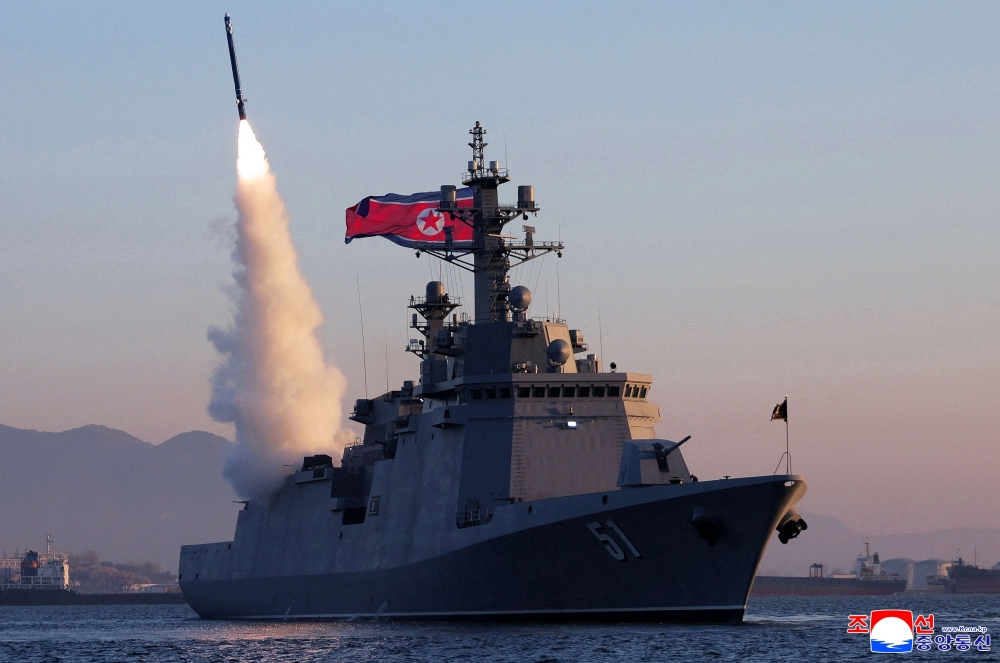
Tehran targeted the Ali al-Salem Air Base in Kuwait and the US Fifth Fleet headquarters in Bahrain using ballistic missiles.
Bahrain’s foreign ministry condemned “continued attacks, at a time when regional and international efforts are moving toward de-escalation”.
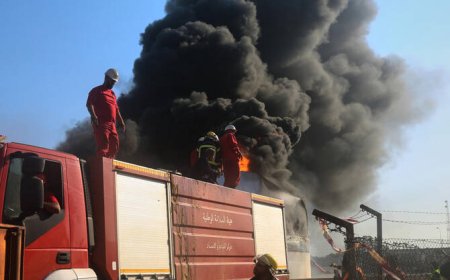
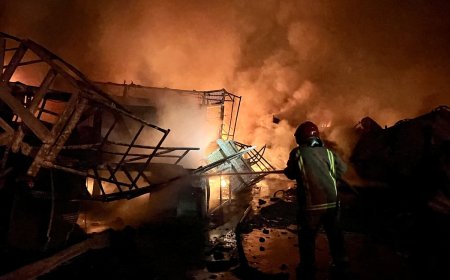
A top-floor flat in a residential building in the Bahraini town of Muharraq was turned to rubble in one strike, officials in the country said, adding that there were no injuries.
Tensions have flared in recent days over access to the Strait of Hormuz, the waterway through which around a fifth of the world’s oil supply flows.
Tehran has insisted on controlling the passage of ships through the crucial trade artery – something it did not enjoy before the war – and said vessels must transit through a corridor close to its own shores.
However, dozens of ships have travelled along the opposite side of the waterway in the past week, hugging the Omani coast.
Iran’s top diplomat warned on Sunday that any attempt to bypass its preferred route through the strait would “increase tensions” in the Middle East, with the issue threatening to drag out the months-long war.
The Islamic Revolutionary Guard Corps also said on Sunday that it was taking measures to control traffic in the waterway and that vessels violating these conditions would be dealt with “more forcefully” than before.
Mohammad Mokhber, an adviser to Iran’s supreme leader, wrote on X that as long as Iran managed the strait, Washington’s “hegemonic dreams in the region will not be realised”.
The Telegraph revealed on Friday that Oman has proposed a potential compromise that would introduce a voluntary fee for energy-importing states and shipping companies using the Strait of Hormuz.
Muscat’s suggestion would seek to bridge the gap between the US, which opposes all tolls in the strait, and Iran, which insists on full control of the artery, while also unlocking a new multibillion-dollar revenue stream for Oman and Iran.
Talks in Switzerland between the US and Iran, scheduled for this week, have been stalled by the latest strikes, according to The Wall Street Journal.
An Iranian official told state TV that Tehran did not participate in technical talks set for Sunday “due to recent attacks and unfulfilled conditions”.
However, a senior official in the Trump administration told CNN that “nothing has been cancelled” and the talks are “on track for the coming days as planned”.
“Nothing has been cancelled. Technical talks regarding the implementation of MOU are on track for the coming days as planned, and deconfliction channels are up and running after the Lake Lucerne Summit,” the official said, referring to the first set of talks in Switzerland since the signing of the interim peace deal.
The conflict, which reached a four-month milestone on Sunday, has killed thousands since the US and Israel launched coordinated strikes on Iran on Feb 28.
Tehran said the latest strikes were in retaliation for a fresh round of US attacks on Iranian military infrastructure on Saturday, including communications systems, air defence sites and drone storage facilities.
Donald Trump repeated his earlier warnings to obliterate Iran, writing on his Truth Social platform that “there may come a point when we are no longer able to be reasonable”.
He added that “the Islamic Republic of Iran will no longer exist” if Tehran launches further attacks.
Just before the US and Iran agreed to the halt in attacks, Israel once again struck infrastructure used by the Iran-backed Hezbollah militia in southern Lebanon.
Footage released by the Israel Defense Forces (IDF) showed a fiery explosion from the strike targeting a 200-metre-long tunnel in the village of Majdal Zoun. The IDF claimed that the passage contained hundreds of weapons and four launch shafts.
The US was informed before the attack, according to a statement from Benjamin Netanyahu and Israel Katz, the country’s defence minister.
[Source: Daily Telegraph]